
Plant
Pinxter Flower
Rhododendron periclymenoidesAlso known as Pinxterbloom Azalea, Pink Azalea
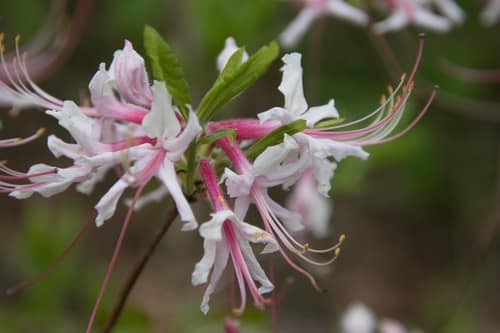
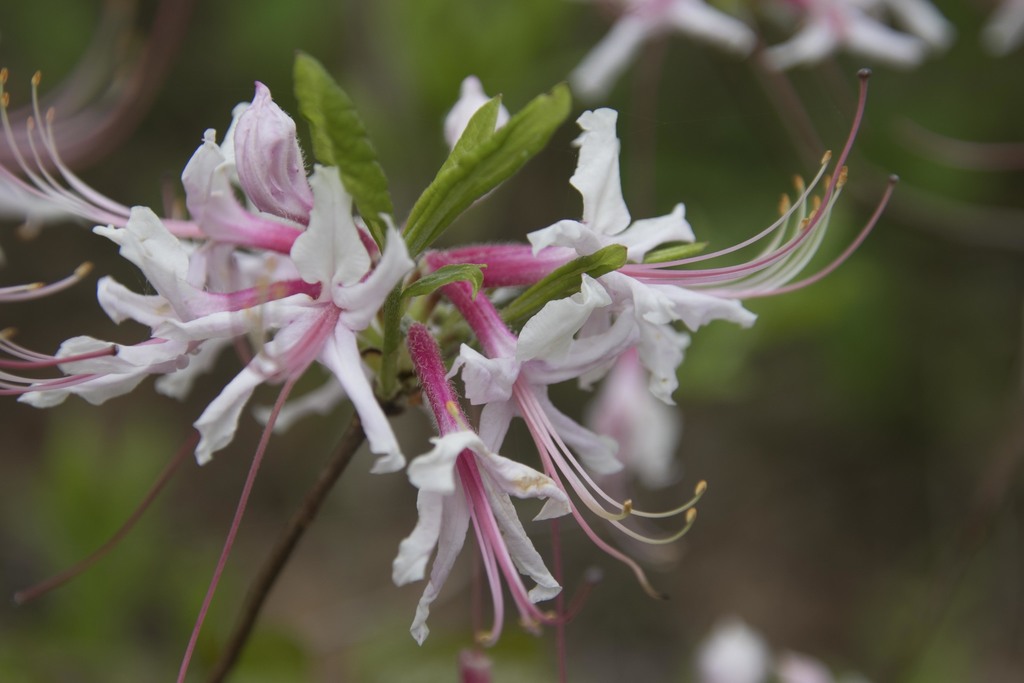
Pinxter Flower is a deciduous azalea with open clusters of pink funnel-shaped flowers appearing as leaves unfold. Long protruding stamens and narrow hairy flower tubes give each loose cluster a delicate, spidery form.
deciduous shrubwoodland bloomnative azalea
—observations
—countries
—peak records
Not EvaluatedConservation statusIUCN Red List categoriesLCNTVUENCREWEXNot Evaluated — not placed on the risk ladderRed List categories, explained →
Diet & preyProduces energy through photosynthesis and obtains nutrients through fine roots in acidic soil
Predators
- deer
- lace bugs
- caterpillars
ThreatsForest and wetland loss, deer browsing, wild collection, drought, and invasive plants
HabitatsMoist woods, swamp margins, streambanks, shaded slopes, and acidic forest soils
Life spanA perennial woody shrub capable of living for several decades
Classification
- FamilyEricaceae
- SpeciesRhododendron periclymenoides
Range data is not available yet.
Interaction riskHigh
- Low
- Moderate
- High
- Very high
- Why interaction risk is high
- Azalea tissues contain grayanotoxins and can poison people or animals if swallowed.
- Why it is dangerous
- Grayanotoxins in rhododendron tissues can disrupt the digestive, nervous, and cardiovascular systems.
- How to recognize a risky encounter
- Confirm a woody deciduous azalea with clustered pink tubes and long projecting stamens.
- What to do
- Do not ingest any part or make preparations from it; keep clippings away from children and animals.
Responsible observation
- Identify: Look for pink funnel-shaped flowers with long stamens on a deciduous shrub.
- Observe: Leave wild branches intact and keep pets from chewing foliage.
Help improve the field guideSomething wrong?
Checking your Fauna account…Report a name, category, or profile issue for review.