
Plant · GBIF taxon 2882849
Northern Highbush Blueberry
Vaccinium corymbosumAlso known as Highbush Blueberry
Northern highbush blueberry is a tall deciduous shrub with pink-white urn-shaped flowers, finely toothed leaves, and blue-black berries covered by a pale waxy bloom. It grows naturally in acidic wetlands and woodland edges and supports many birds and pollinating insects.
Heath ShrubAcidic WetlandWildlife Berries
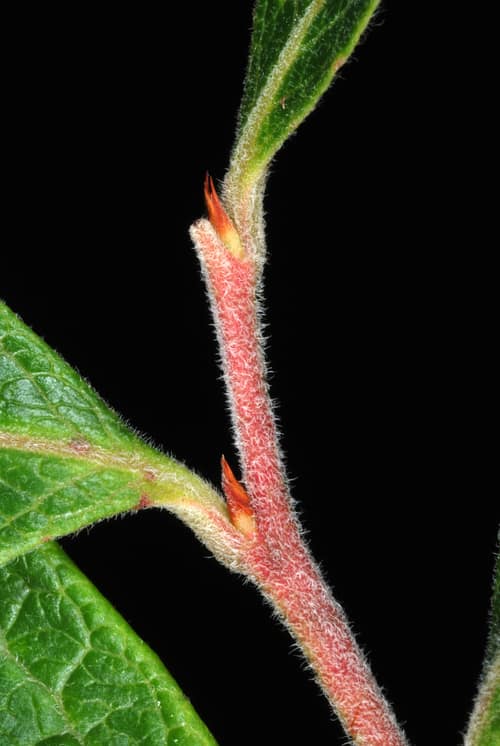
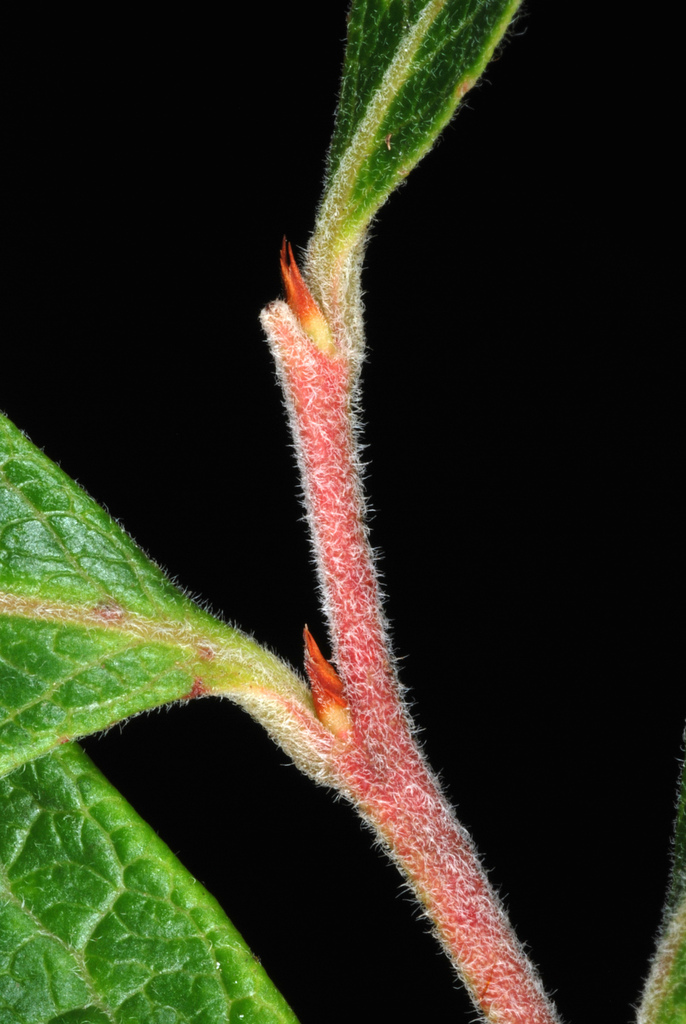 1 / 7
1 / 7—observations
—countries
—peak records
Not EvaluatedConservation statusIUCN Red List categoriesLCNTVUENCREWEXNot Evaluated — not placed on the risk ladderRed List categories, explained →
Diet & prey
- Produces energy through photosynthesis and acquires nutrients in acidic soil with help from ericoid mycorrhizal fungi
Predators
- White-tailed deer
- Black bears
- Fruit-eating birds
ThreatsWetland drainage, drought, browsing, invasive shrubs, altered fire, and conversion of native habitat
HabitatsSwamps, bog margins, moist woods, oak woodland, stream edges, and acidic thickets
Life spanIndividual stems live for years, while a well-established shrub can persist for several decades
Size / weightNot available
Classification
- OrderEricales
- FamilyEricaceae
- GenusVaccinium
- SpeciesVaccinium corymbosum
Range data is not available yet.
Interaction riskLow
- Low
- Moderate
- High
- Very high
- Why interaction risk is low
- Wild berries have dangerous look-alikes; do not eat any fruit based on app identification.
Responsible observation
- Flowers: In spring, look for clusters of small urn-shaped blossoms.
- Leaves: Check finely toothed oval leaves on a tall branching shrub.
- Foraging: Leave berries for wildlife and never eat from an app identification alone.
Help improve the field guideSomething wrong?
Checking your Fauna account…Report a name, category, or profile issue for review.