
Plant
Evergreen Huckleberry
Vaccinium ovatumAlso known as Winter Huckleberry, California Huckleberry, Cynamoka Berry
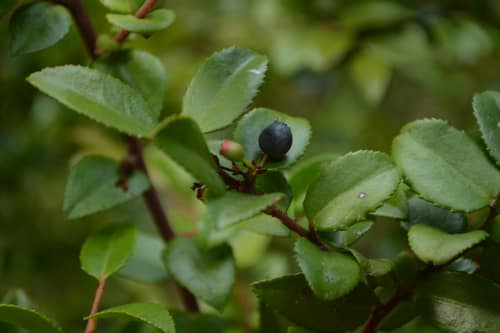
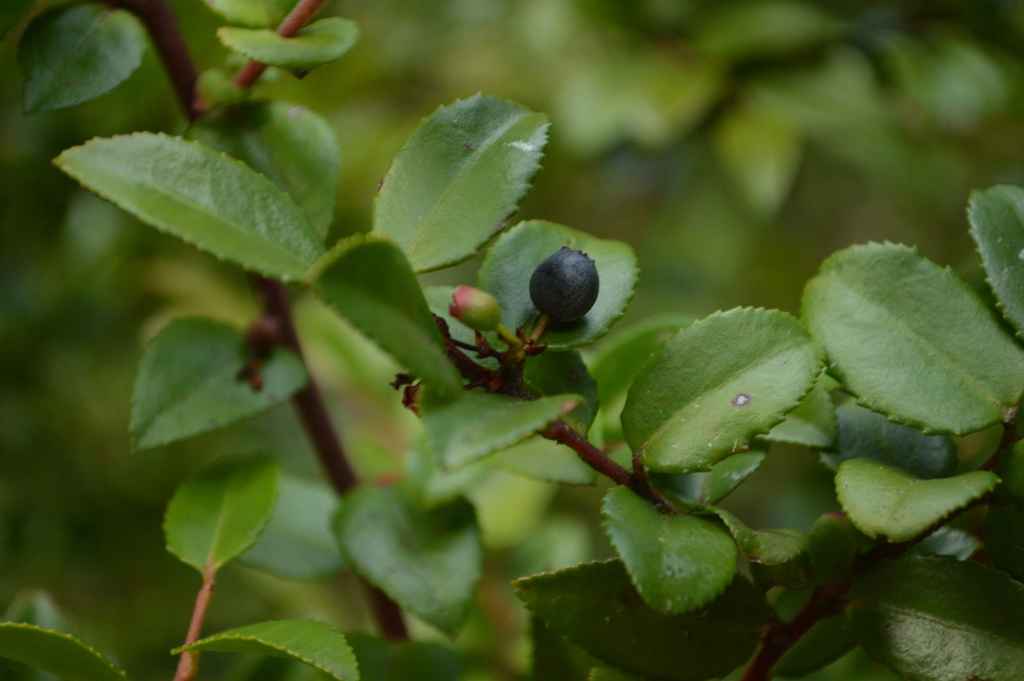
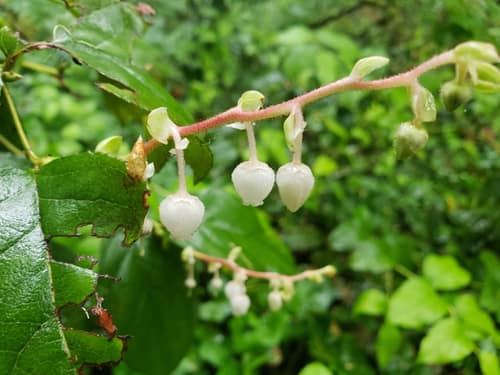
Evergreen huckleberry is an upright, densely foliaged woodland shrub that anchors coastal forest understories along the Pacific coast of North America. Its glossy, finely toothed ovate leaves flush bright bronze-pink in spring before maturing to a deep, leathery green that persists through the winter. In spring and early summer, clusters of urn-shaped, pale pink to white blossoms hang beneath the stems, drawing native bumblebees before giving way to dark, waxy purplish-black fruits.
EvergreenFloweringForest
—observations
—countries
—peak records
Least ConcernConservation statusIUCN Red List categoriesLCNTVUENCREWEXLeast ConcernRed List categories, explained →
Diet & preySunlight, Water, Soil minerals
Predators
- American Black Bear
- Cedar Waxwing
- Columbian Black-tailed Deer
ThreatsHabitat clearing, severe wildfire, and competition from invasive understory plants
HabitatsCoastal coniferous forests, redwood understories, coastal bluffs, and forest edges
Life span20–50+ years
Classification
- OrderEricales
- FamilyEricaceae
- GenusVaccinium
- SpeciesVaccinium ovatum
Range data is not available yet.
Interaction riskLow
- Low
- Moderate
- High
- Very high
- Why interaction risk is low
- Wild berries have toxic look-alikes; never eat based on app identification alone.
Responsible observation
- Foliage check: Look for distinct alternate, leathery ovate leaves with sharply serrated margins along reddish young twigs.
- Pollinator watch: Inspect hanging floral clusters between April and July to observe native bumblebees performing buzz pollination.
- Habitat clues: Search damp, acidic understories beneath coast redwoods, Douglas-firs, and western hemlocks.
Frequent Companion (c) Gavin Slater, some rights reserved (CC BY) · cc-by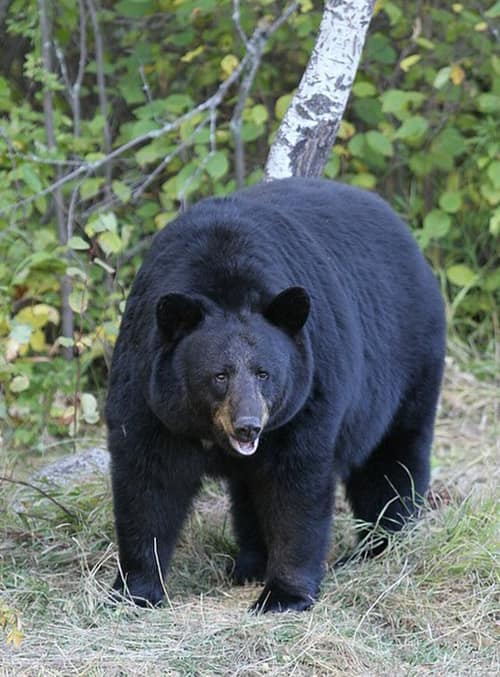
Disperser Diginatur / CC BY-SA 3.0 · cc-by-sa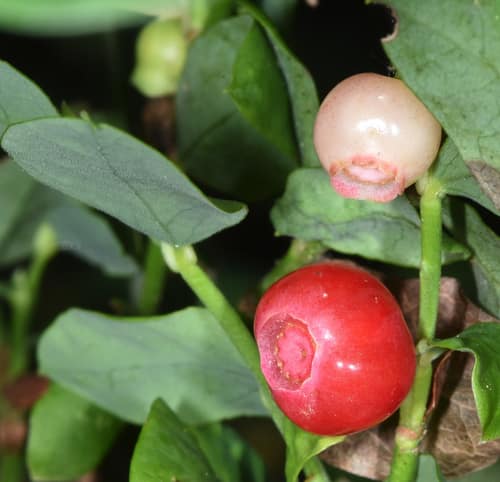
Close Relative (c) Don Loarie, some rights reserved (CC BY), uploaded by Don Loarie · cc-by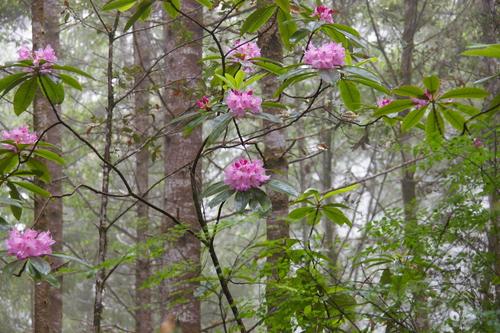
Close Relative (c) Scott Catron, some rights reserved (CC BY-SA) · cc-by-sa
Help improve the field guideSomething wrong?
Checking your Fauna account…Report a name, category, or profile issue for review.