
Plant · GBIF taxon 2882835
Lingonberry
Vaccinium vitis-idaeaAlso known as Cowberry, Foxberry, Mountain Cranberry, Partridgeberry
Lingonberries form dense, creeping mats across acid-rich heathlands and boreal forest floors, anchoring thin subarctic soils with interconnected underground rhizomes. White or pale pink bell-shaped blossoms appear in early summer, attracting bumblebees and other cold-tolerant pollinators. As autumn approaches, bright crimson berries mature on short upright stems, providing a crucial late-season food source for migrating birds and resident mammals.
EvergreenBorealBerries
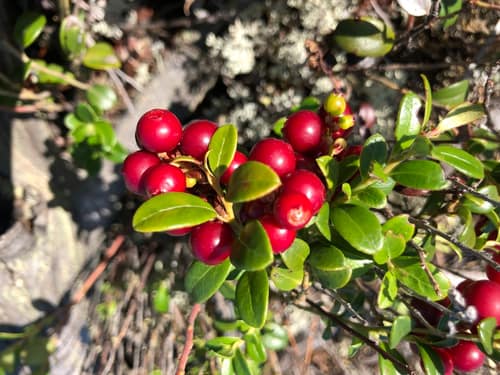
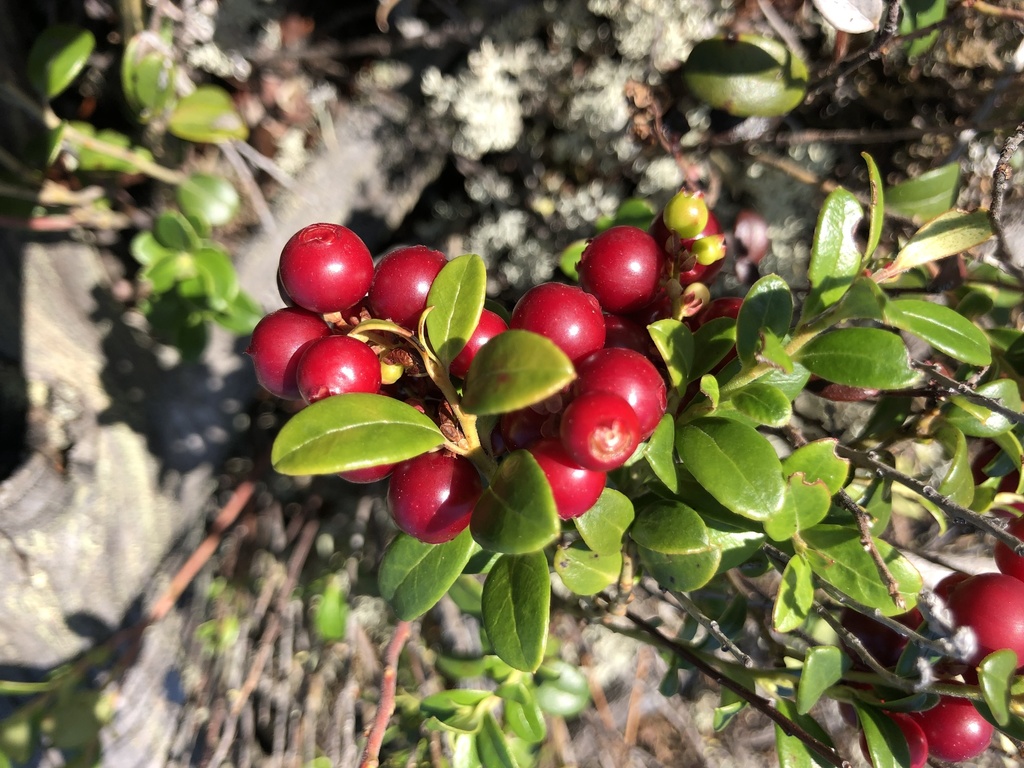 1 / 7
1 / 7—observations
—countries
—peak records
Least ConcernConservation statusIUCN Red List categoriesLCNTVUENCREWEXLeast ConcernRed List categories, explained →
Diet & prey
- Autotrophic
Predators
- Boreal Birds
- Brown Bears
- Small Mammals
ThreatsHabitat degradation from climate warming and land conversion
HabitatsBoreal forest, Arctic tundra, acidic heathlands, peat bogs
Life spanPerennial (clone networks survive for decades)
Size / weightNot available
Classification
- OrderEricales
- FamilyEricaceae
- GenusVaccinium
- SpeciesVaccinium vitis-idaea
Range data is not available yet.
Interaction riskLow
- Low
- Moderate
- High
- Very high
- Why interaction risk is low
- Wild berries have toxic look-alikes; never eat based on app identification alone.
Responsible observation
- Identifying Leaves: Look for glossy evergreen foliage with slightly rolled edges and dark glands beneath.
- Observing Habitats: Search nutrient-poor acidic soils, mossy forest floors, and exposed subarctic ridges.
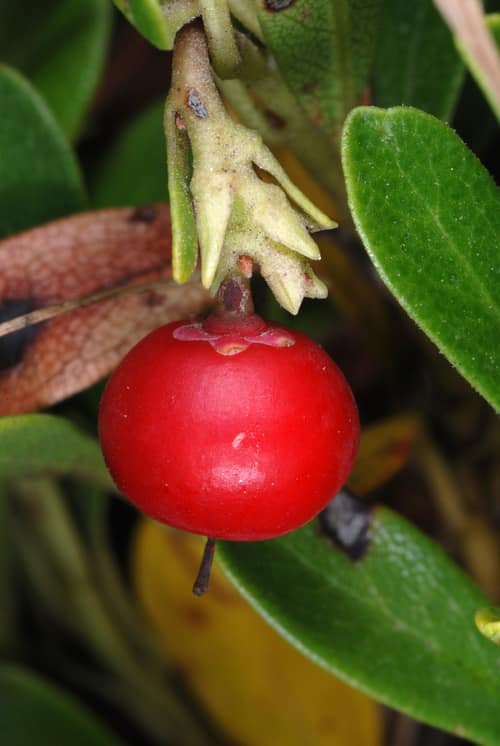
Frequent Companion (c) Douglas Goldman, some rights reserved (CC BY-SA), uploaded by Douglas Goldman · cc-by-sa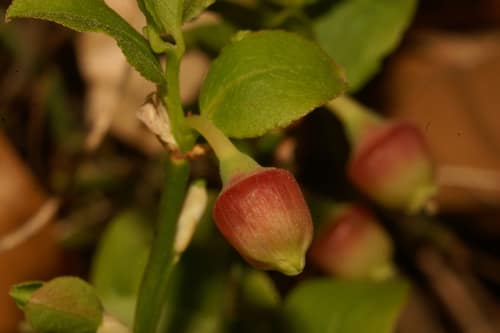
Close Relative (c) Benjamin Zwittnig, some rights reserved (CC BY) · cc-by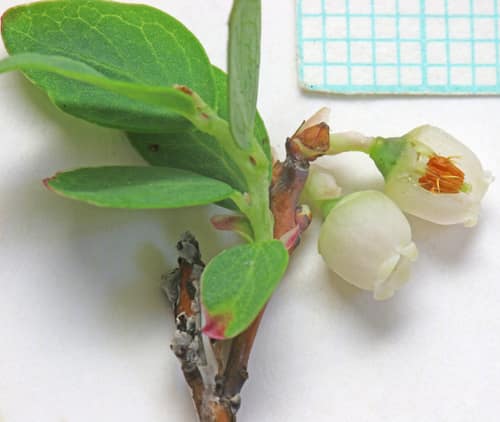
Close Relative (c) Andrey Zharkikh, some rights reserved (CC BY) · cc-by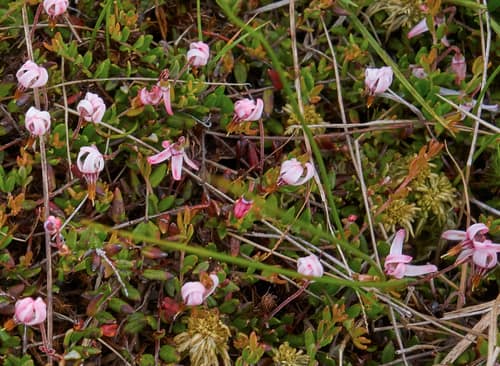
Close Relative no rights reserved, uploaded by David Bird · cc0
Help improve the field guideSomething wrong?
Checking your Fauna account…Report a name, category, or profile issue for review.