
Plant · GBIF taxon 2882833
Bilberry
Vaccinium myrtillusAlso known as Blaeberry, Whortleberry, European Blueberry, Blue Whortleberry
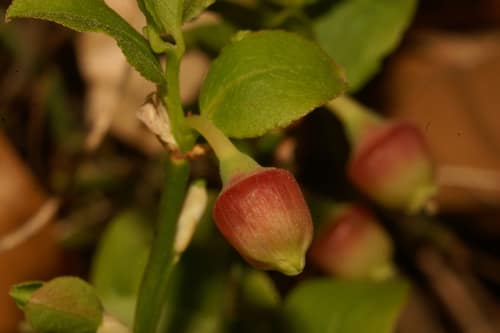
Bilberries grow as low, dwarf shrubs with distinctive green, sharply four-angled stems and oval, finely serrated leaves. Solitary, lantern-shaped pinkish flowers dangle beneath leaf axils in late spring, ripening into single dark purple berries by late summer. These woody perennials form dense understory carpets across northern pine forests and moorlands, serving as an important seasonal food source for wildlife.
Dwarf ShrubAcidophileHeathland

—observations
—countries
—peak records
Least ConcernConservation statusIUCN Red List categoriesLCNTVUENCREWEXLeast ConcernRed List categories, explained →
Diet & prey
- Autotrophic
Predators
- Brown Bear
- Western Capercaillie
- Bank Vole
ThreatsHabitat fragmentation, land-use change, heavy grazing
HabitatsAcidic woodlands, heathlands, moorlands, bogs
Life spanUp to 30 years
Size / weightNot available
Classification
- FamilyEricaceae
- SpeciesVaccinium myrtillus
Range data is not available yet.
Interaction riskLow
- Low
- Moderate
- High
- Very high
- Why interaction risk is low
- Wild berries have toxic look-alikes; never eat based on app identification alone.
Responsible observation
- Stem Cues: Examine the green, sharply angled stems that remain photosynthetic through winter.
- Spring Flowers: Look for urn-shaped, pinkish flowers nodding beneath young spring foliage.
- Wildlife Watching: Scan low shrub layers in late summer for foraging grouse and small mammals.
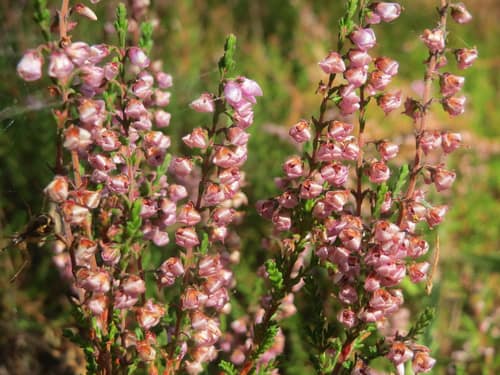
Frequent Companion (c) Andreas Rockstein, some rights reserved (CC BY-SA) · cc-by-sa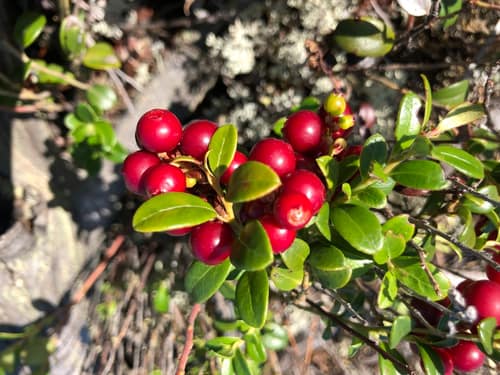
Close Relative (c) Valerii Glazunov, some rights reserved (CC BY), uploaded by Valerii Glazunov · cc-by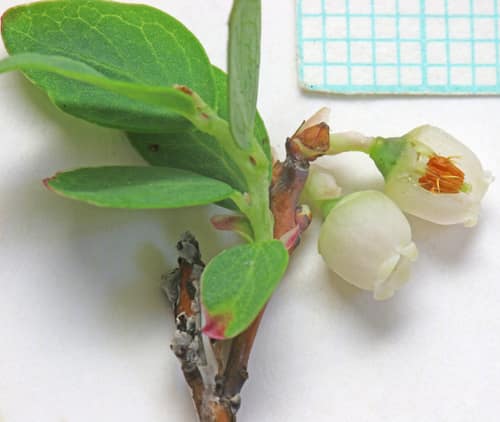
Close Relative (c) Andrey Zharkikh, some rights reserved (CC BY) · cc-by
Help improve the field guideSomething wrong?
Checking your Fauna account…Report a name, category, or profile issue for review.