
Plant · GBIF taxon 2882631
Japanese Andromeda
Pieris japonicaAlso known as Japanese Pieris, Lily-of-the-Valley Bush
Japanese andromeda produces dense cascades of urn-shaped blossoms in late winter and early spring, echoing the delicate look of lily-of-the-valley. New spring foliage emerges in striking shades of bronze, red, or copper before maturing into deep glossy green leaves that persist year-round. While widely planted as an ornamental shrub, all parts of the plant harbor potent toxins that protect it from most mammalian herbivores.
EvergreenFloweringPoisonous
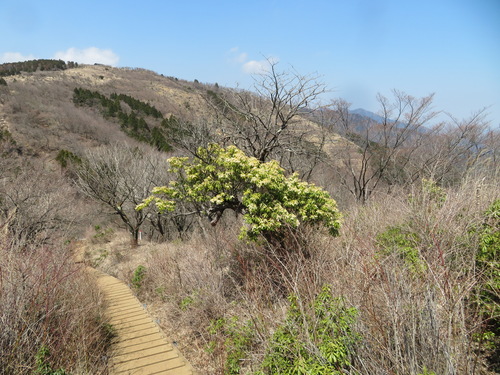
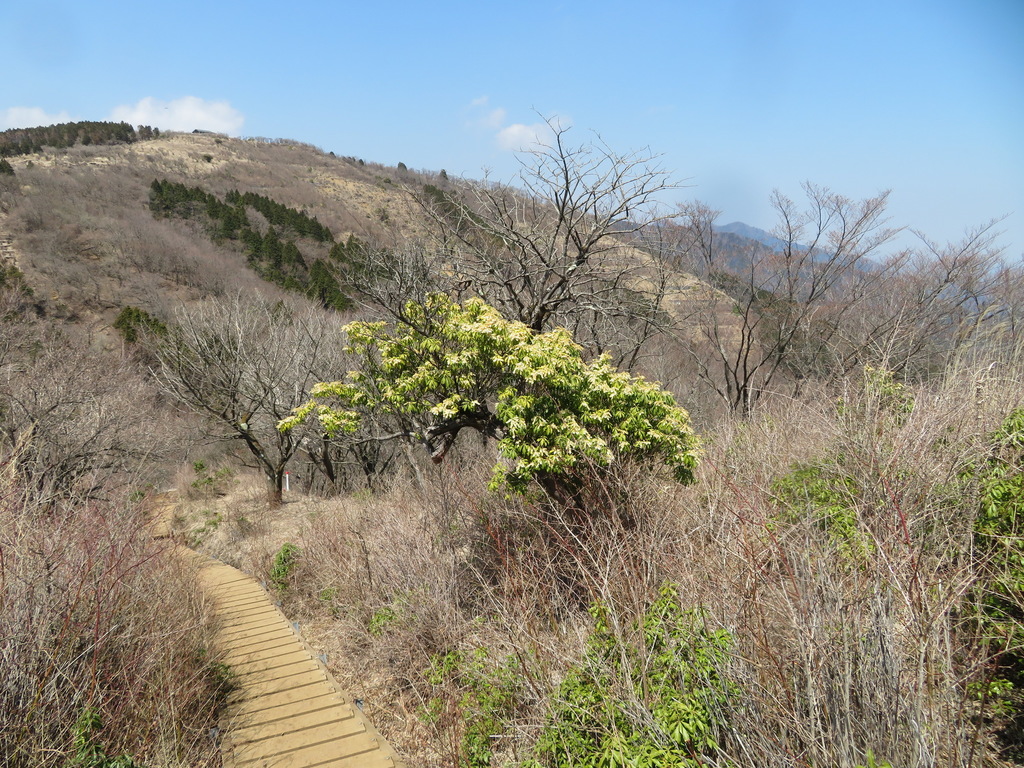 1 / 7
1 / 7—observations
—countries
—peak records
Least ConcernConservation statusIUCN Red List categoriesLCNTVUENCREWEXLeast ConcernRed List categories, explained →
Diet & prey
- Sunlight
- Water
- Soil nutrients
Predators
- Andromeda lace bug
- Spider mites
ThreatsHabitat loss in native wild range, lace bug infestations in cultivation
HabitatsMountain thickets, temperate forests, cultivated gardens
Life span30–50+ years
Classification
- OrderEricales
- FamilyEricaceae
- GenusPieris
- SpeciesPieris japonica
Range data is not available yet.
Interaction riskHigh
- Low
- Moderate
- High
- Very high
- Why interaction risk is high
- All parts contain cardiac grayanotoxins; do not ingest and keep away from pets and livestock.
- Why it is dangerous
- Contains grayanotoxins across all plant parts, which cause severe gastrointestinal distress, low blood pressure, and cardiac arrhythmias if ingested.
- How to recognize a risky encounter
- Recognizable by glossy lance-shaped evergreen leaves and cascading, bell-shaped white or pink flowers that bloom in early spring.
- What to do
- Never consume any part of the plant, and keep pruned branches away from curious pets or livestock.
Responsible observation
- Spring Identification: Look for drooping terminal panicles of urn-shaped white flowers blooming in early spring.
- Garden Care: Plant in acidic, organic-rich soil in locations sheltered from harsh winter winds.
- Pet Safety: Keep foliage out of reach of livestock, dogs, and cats that tend to chew on leaves.
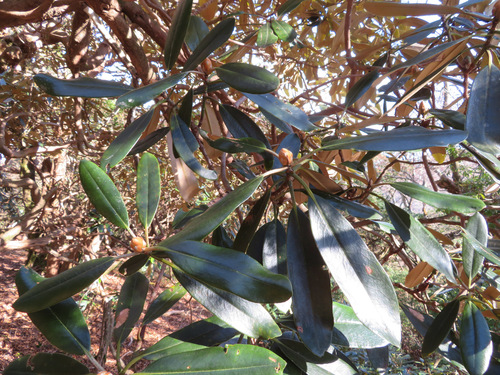
Sympatric Heath (c) Marco Mussita, some rights reserved (CC BY) · cc-by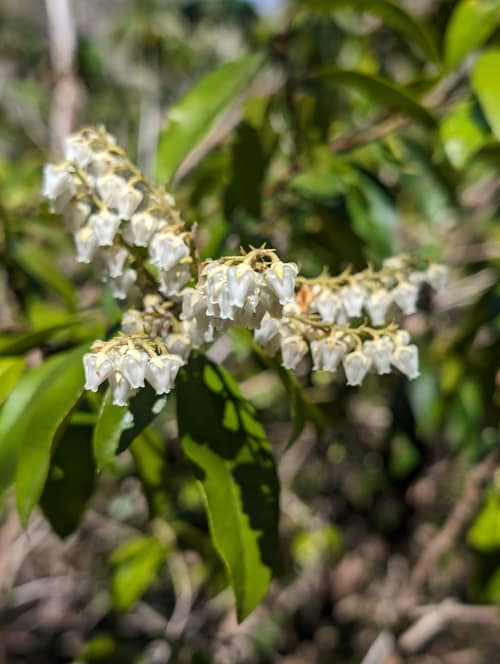
Close Relative (c) Ben Mowbray, some rights reserved (CC BY), uploaded by Ben Mowbray · cc-by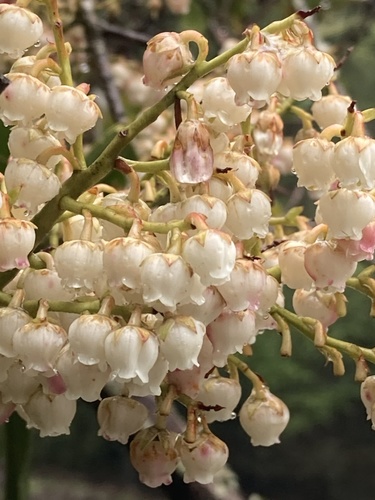
Close Relative no rights reserved, uploaded by John Kenrick Gibson · cc0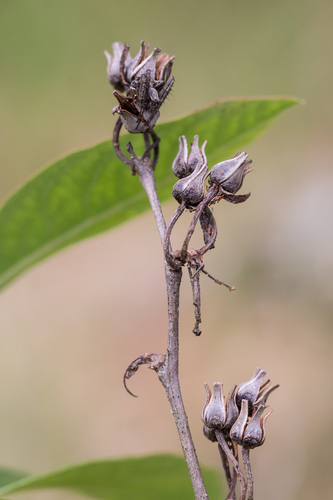
Heath Relative (c) Bill Keim, some rights reserved (CC BY) · cc-by
Help improve the field guideSomething wrong?
Checking your Fauna account…Report a name, category, or profile issue for review.