
Plant · GBIF taxon 2882567
Common Manzanita
Arctostaphylos manzanitaAlso known as Whiteleaf Manzanita
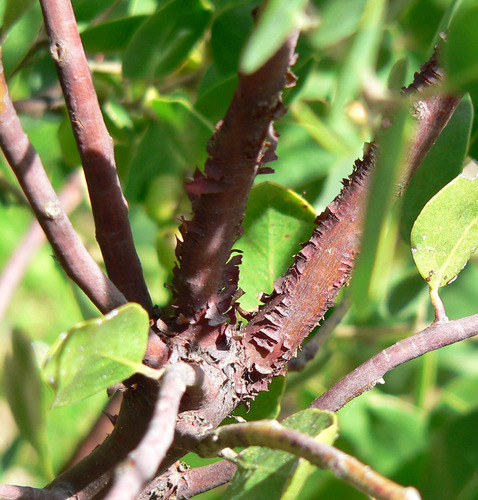
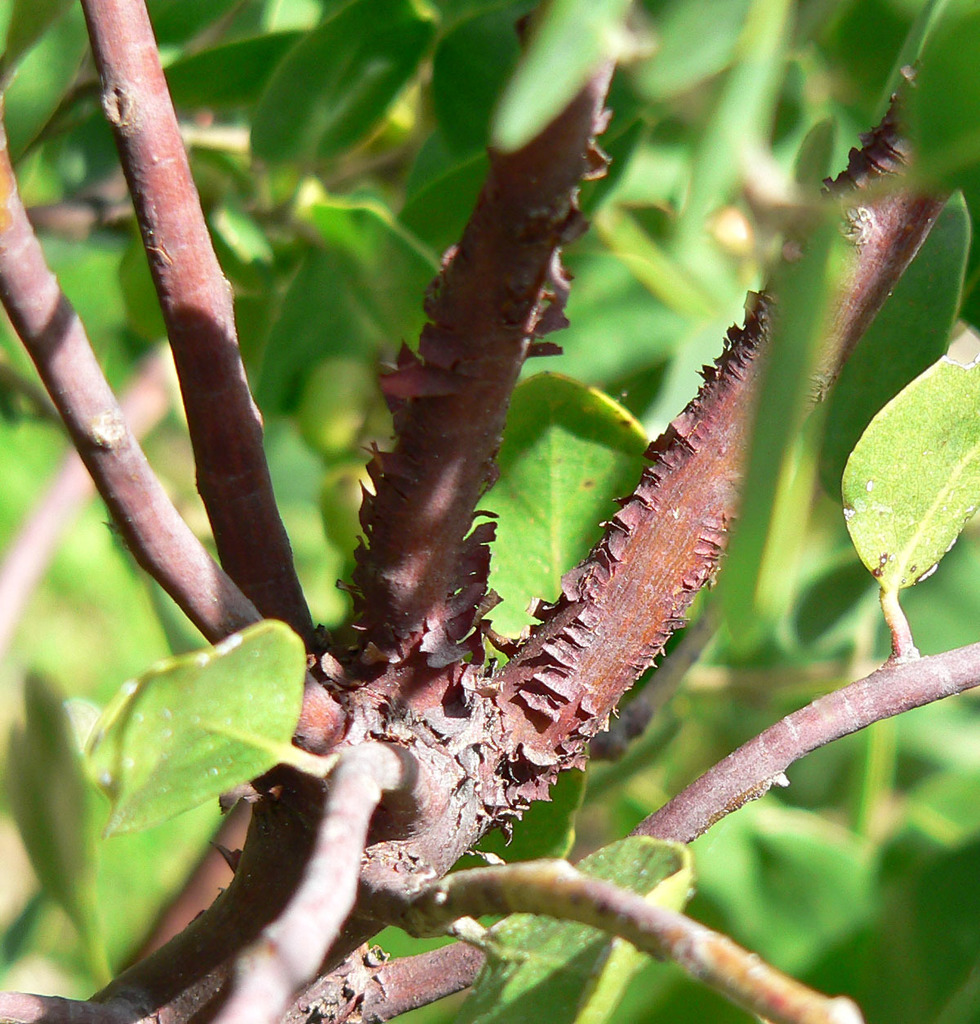
Common manzanita defines California chaparral landscapes with its striking, crooked branches clad in smooth, rich mahogany-red bark. In late winter, tight clusters of white-to-pink urn-shaped flowers bloom, attracting early-season pollinators before giving way to small reddish fruits. Its tough, leathery evergreen leaves turn edge-wise to the sun to minimize moisture loss during scorching dry summers.
EvergreenChaparralFlowering
—observations
—countries
—peak records
Not EvaluatedConservation statusIUCN Red List categoriesLCNTVUENCREWEXNot Evaluated — not placed on the risk ladderRed List categories, explained →
Diet & prey
- Photosynthetic
Predators
- Black-tailed Deer
- Coyotes
- Chaparral Birds
ThreatsAltered fire regimes, land development, fungal blight
HabitatsChaparral, oak woodlands, dry foothill slopes
Life span50–100+ years
Size / weightNot available
Classification
- OrderEricales
- FamilyEricaceae
- GenusArctostaphylos
- SpeciesArctostaphylos manzanita
Range data is not available yet.
Interaction riskLow
- Low
- Moderate
- High
- Very high
- Why interaction risk is low
- Wild berries have toxic look-alikes; never eat based on app identification alone.
Responsible observation
- Bark Inspection: Observe the paper-thin sheets of red bark shedding in summer to reveal fresh green tissue underneath.
- Flower Watching: Search the urn-shaped winter blossoms for visiting native bees and hummingbirds.
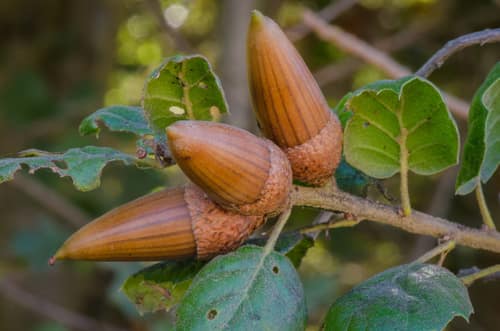
Frequent Companion (c) Franco Folini, some rights reserved (CC BY-SA) · cc-by-sa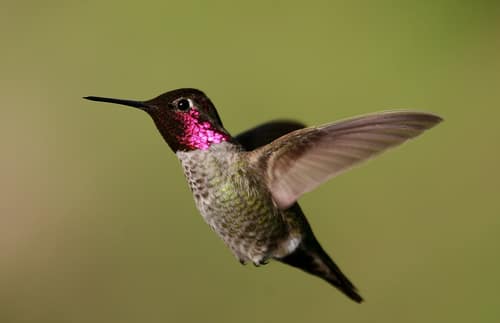
Pollinator Robert McMorran, United States Fish and Wildlife Service / Public domain · cc0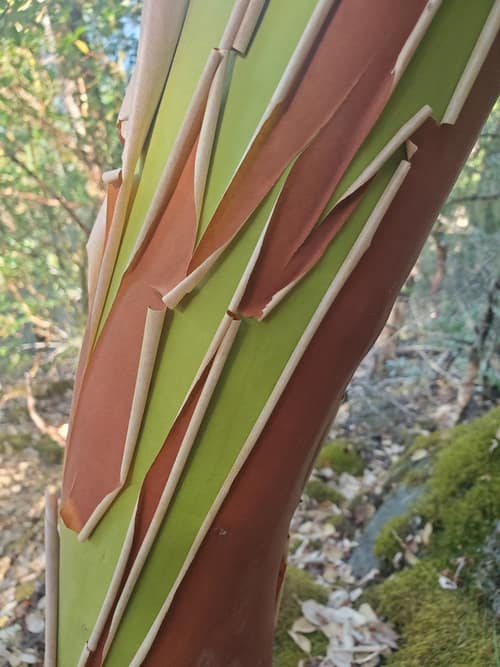
Close Relative (c) J Straka, some rights reserved (CC BY), uploaded by J Straka · cc-by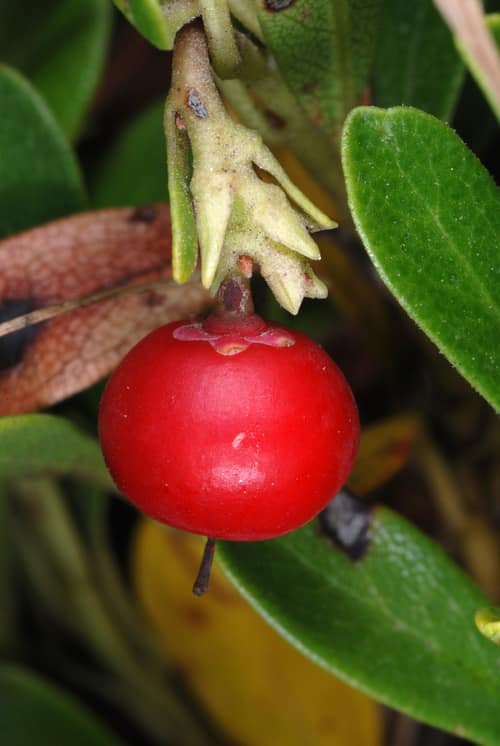
Close Relative (c) Douglas Goldman, some rights reserved (CC BY-SA), uploaded by Douglas Goldman · cc-by-sa
Help improve the field guideSomething wrong?
Checking your Fauna account…Report a name, category, or profile issue for review.