
Plant · GBIF taxon 2882429
Egyptian White Water-lily
Nymphaea lotusAlso known as White Egyptian Lotus, Tiger Lotus
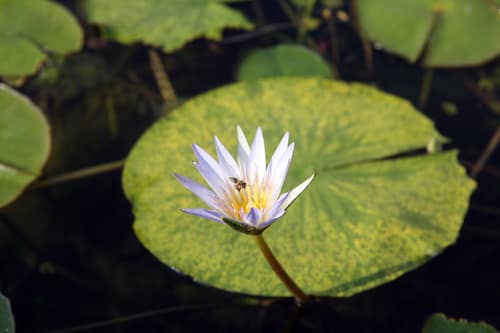
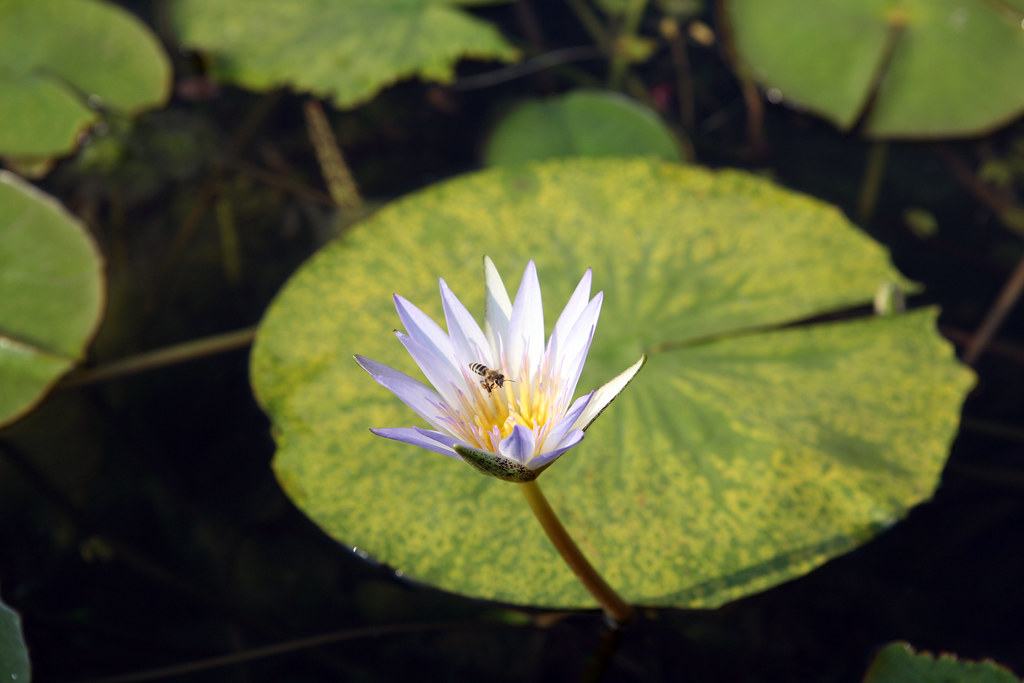
Egyptian white water-lily anchors in soft sediment and sends toothed floating leaves to the surface. Fragrant white flowers with yellow centers open mainly at night and remain available to nocturnal beetles and early-morning visitors.
floating water plantnight-blooming floweranchored rhizome
—observations
—countries
—peak records
Least ConcernConservation statusIUCN Red List categoriesLCNTVUENCREWEXLeast ConcernRed List categories, explained →
Diet & prey
- Photosynthesis; anchored roots absorb nutrients from saturated freshwater sediment
Predators
- waterlily beetles
- snails
- grazing waterfowl
ThreatsWetland drainage, polluted runoff, dredging, altered water levels, invasive plants, and collection
HabitatsShallow lakes, ponds, lagoons, slow rivers, floodplains, and freshwater swamps
Life spanA perennial whose rooted colonies can persist for many years
Size / weightNot available
Classification
- FamilyNymphaeaceae
- SpeciesNymphaea lotus
Range data is not available yet.
Interaction riskLow
- Low
- Moderate
- High
- Very high
- Why interaction risk is low
- Wild water-lilies have look-alikes; do not eat, ingest, or enter deep water to collect material.
Responsible observation
- Timing: Observe flowers from shore during night or early morning opening.
- Safety: Never wade into deep water or unstable sediment to approach a bloom.
Help improve the field guideSomething wrong?
Checking your Fauna account…Report a name, category, or profile issue for review.