
Plant
American Beech
Fagus grandifoliaAlso known as North American Beech
American beech trees dominate mature eastern deciduous forests, casting dense shade with wide canopies supported by distinctive, smooth, elephant-grey bark that remains unwrinkled throughout their lives. In late autumn, their papery bronze leaves cling to twigs through winter before being displaced by new cigar-shaped buds in spring. The triangular nuts enclosed in prickly husks provide a vital, fat-rich food supply that fuels black bears, blue jays, and small rodents through the cold season.
DeciduousHardwoodForest
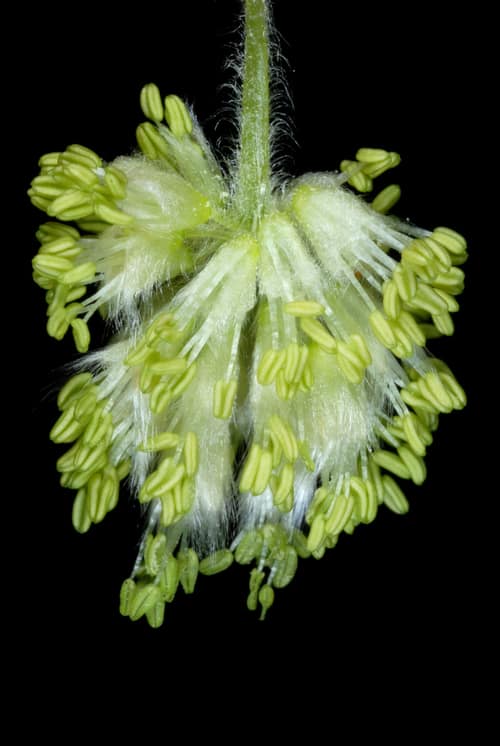
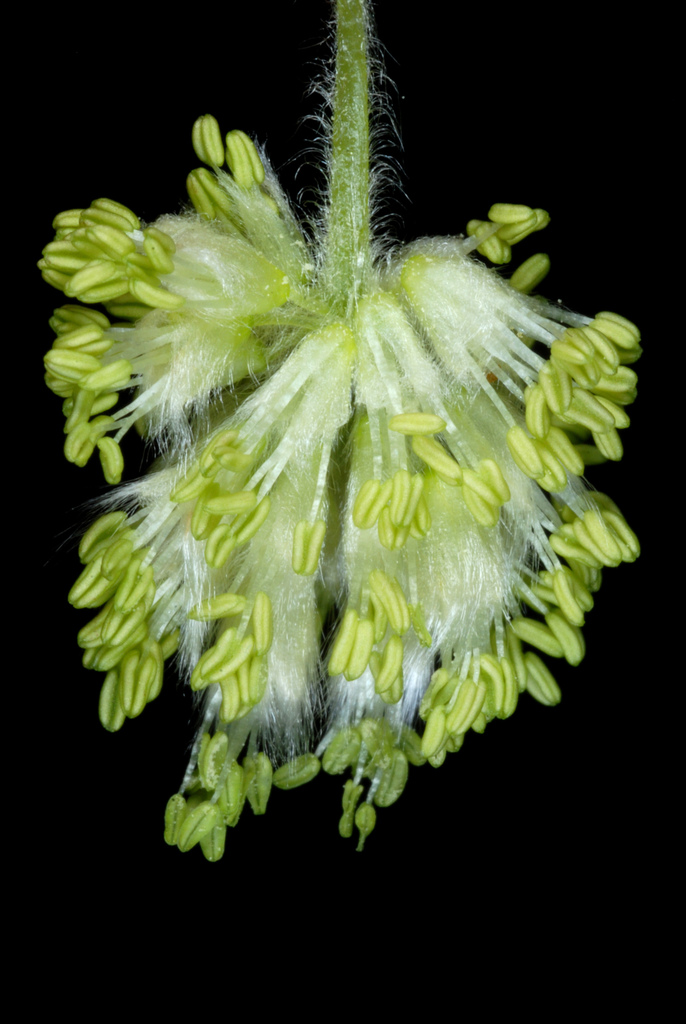
—observations
—countries
—peak records
Least ConcernConservation statusIUCN Red List categoriesLCNTVUENCREWEXLeast ConcernRed List categories, explained →
Diet & preySunlight, Water, Soil nutrients
Predators
- Beech scale insect
- White-tailed deer
- Porcupine
ThreatsBeech bark disease complex and beech leaf disease nematodes
HabitatsMesic temperate hardwood forests, rich bottomlands, and upland slopes
Life span300–400 years
Classification
- OrderFagales
- FamilyFagaceae
- GenusFagus
- SpeciesFagus grandifolia
Range data is not available yet.
Interaction riskLow
- Low
- Moderate
- High
- Very high
- Why interaction risk is low
- Safe to observe at a normal distance.
Responsible observation
- Bark preservation: Never carve initials into the smooth grey bark, as wounds expose the wood to deadly fungal infections.
- Winter identification: Look for papery tan leaves persisting on lower branches and long, slender, sharp-pointed winter buds.
- Wildlife viewing: Scan branches during mast years in early autumn to spot feeding flocks of blue jays and wild turkeys.
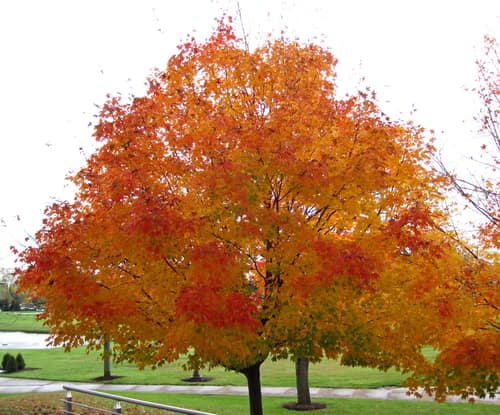
Frequent Companion (c) James St. John, some rights reserved (CC BY) · cc-by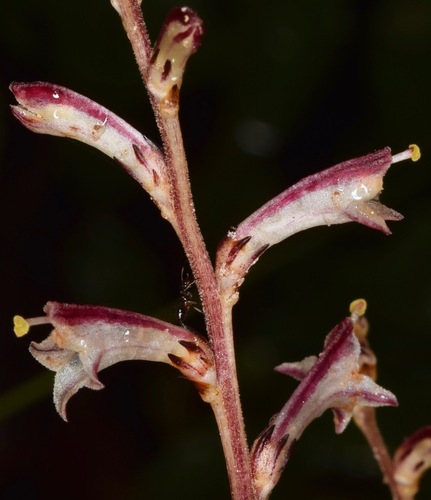
Parasite (c) skitterbug, some rights reserved (CC BY), uploaded by skitterbug · cc-by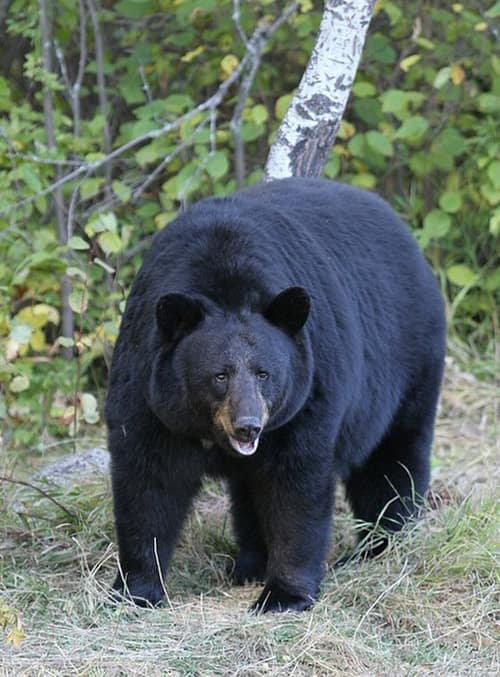
Consumer Diginatur / CC BY-SA 3.0 · cc-by-sa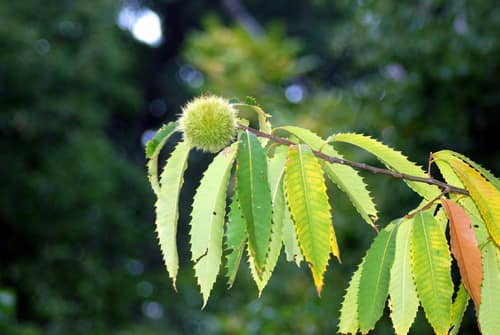
Close Relative (c) Bob MacInnes, some rights reserved (CC BY) · cc-by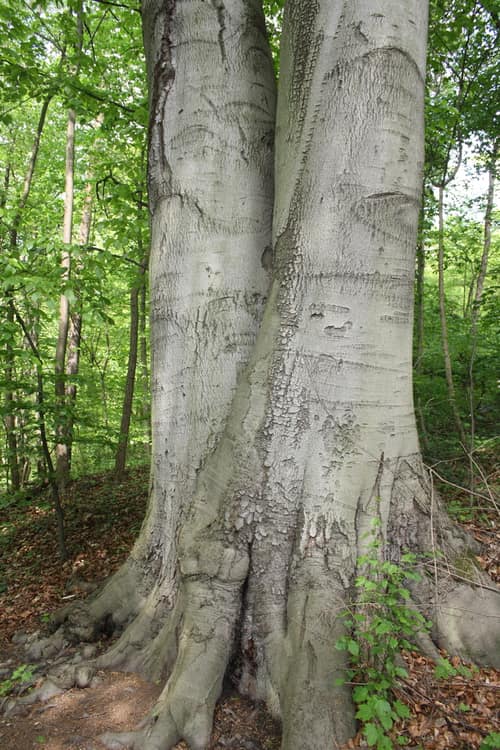
Close Relative (c) Daniel Linzbauer, some rights reserved (CC BY), uploaded by Daniel Linzbauer · cc-by
Help improve the field guideSomething wrong?
Checking your Fauna account…Report a name, category, or profile issue for review.