
Plant
Georgia Oak
Quercus georgianaGeorgia Oak is a small deciduous oak with glossy leaves divided into pointed bristle-tipped lobes. It grows in shallow acidic soil around granite and sandstone outcrops, often forming compact crowns on exposed rocky slopes.
rare oakrock-outcrop treesoutheastern endemic
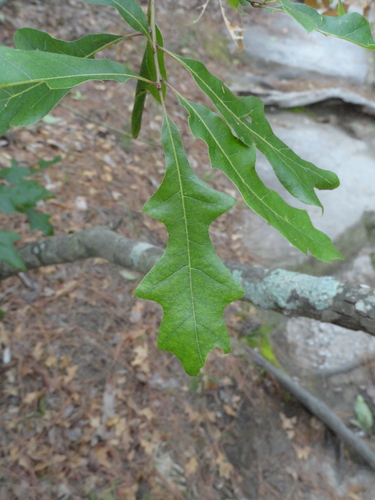
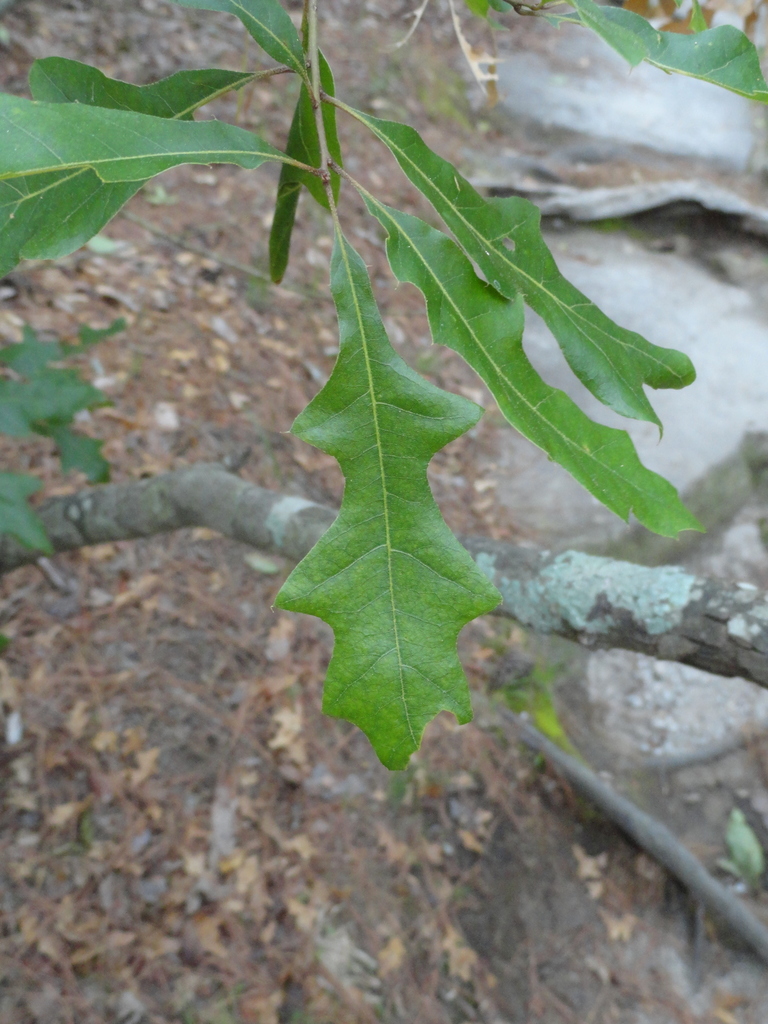
—observations
—countries
—peak records
EndangeredConservation statusIUCN Red List categoriesLCNTVUENCREWEXEndangeredRed List categories, explained →
Diet & preyPhotosynthesis; roots and mycorrhizal fungi obtain water and mineral nutrients from shallow soil
Predators
- oak borers
- leaf-feeding caterpillars
- browsing deer
ThreatsVery small range, quarrying, development, severe fire, invasive plants, drought, and hybridization
HabitatsGranite monadnocks, sandstone outcrops, rocky slopes, dry woodland, and outcrop margins
Life spanA woody perennial capable of living for many decades
Classification
- FamilyFagaceae
- SpeciesQuercus georgiana
Range data is not available yet.
Interaction riskLow
- Low
- Moderate
- High
- Very high
- Why interaction risk is low
- Wild oaks and acorns have look-alikes; do not eat, ingest, or collect material.
- What to notice
- Confirm a small outcrop oak with glossy leaves bearing several pointed, bristle-tipped lobes.
- Support conservation
- Do not collect leaves or acorns, avoid compacting shallow soil, and conceal precise wild-tree locations.
Responsible observation
- Leaf: Look for glossy pointed lobes ending in fine bristles.
- Habitat: Stay off shallow soil and vegetation around exposed rock.
Help improve the field guideSomething wrong?
Checking your Fauna account…Report a name, category, or profile issue for review.