Also known as Gall Oak, Lusitanian Oak, Algerian Oak
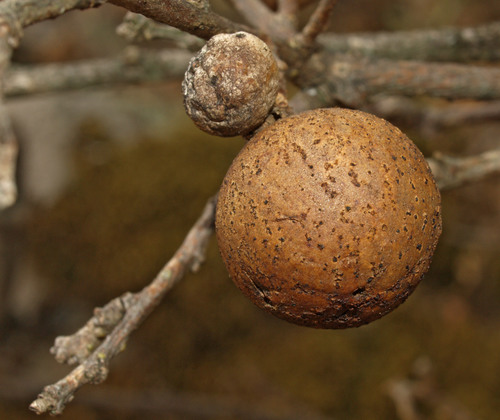
Portuguese oak bridges the gap between evergreen Mediterranean scrub and temperate deciduous forests, frequently retaining its withered autumn leaves throughout the winter until spring growth emerges. Dense spherical galls often develop along its twigs in response to cynipid wasps, yielding spongy structures that shelter diverse micro-communities. Its spreading canopy anchors nutrient-rich pockets across Iberian mountainsides, supporting an exceptionally rich variety of endemic spiders and cavity-nesting birds.
ThreatsSevere prolonged droughts, wildfire, overgrazing of seedlings, habitat fragmentation
HabitatsMediterranean woodlands, limestone mountain slopes, mixed oak forests, dehesas
Life span300–600 years
Classification
FamilyFagaceae
SpeciesQuercus faginea
Range & activity
Range data is not available yet.
Safe observation
Interaction riskHigh
Low
Moderate
High
Very high
Why interaction risk is high
Acorns and leaves contain tannins toxic to dogs and livestock if ingested; safe to observe nearby.
Why it is dangerous
Acorns, young shoots, and raw leaves contain concentrated gallotannins that provoke severe gastrointestinal irritation and kidney damage in dogs, horses, and ruminants.
How to recognize a risky encounter
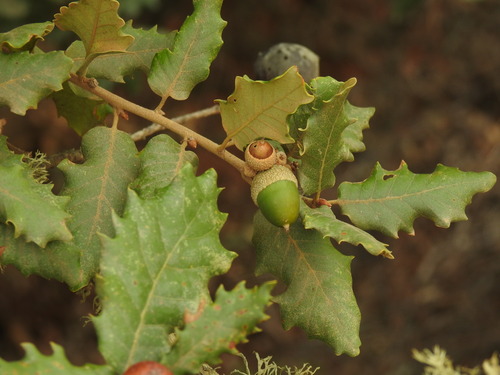
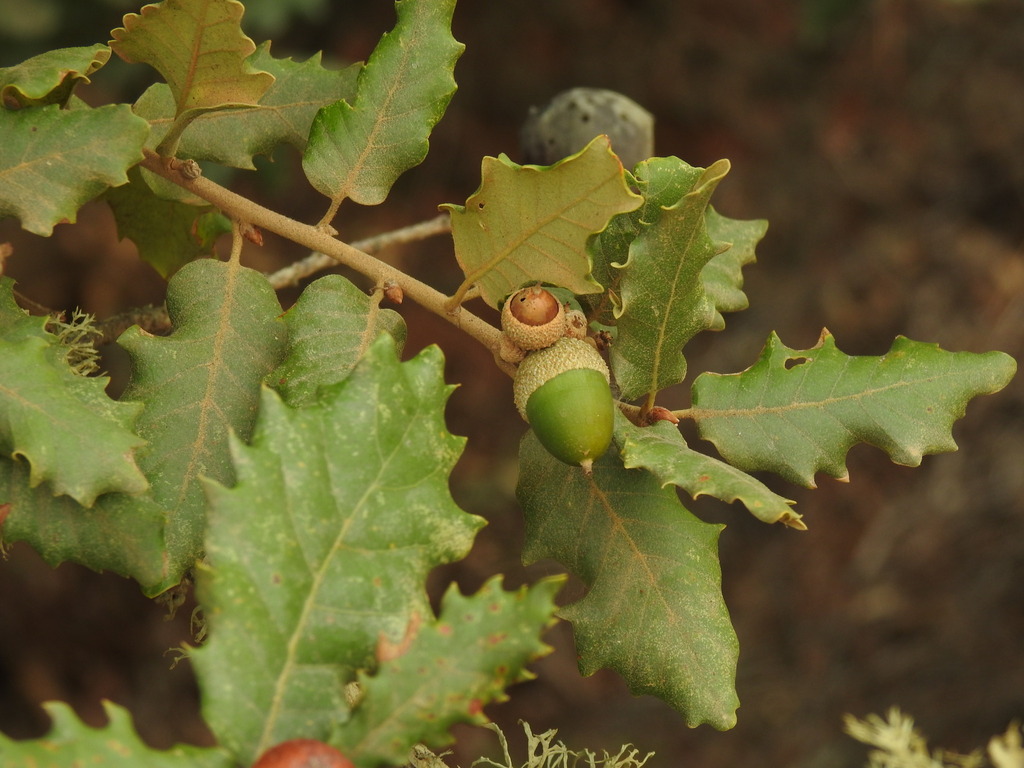
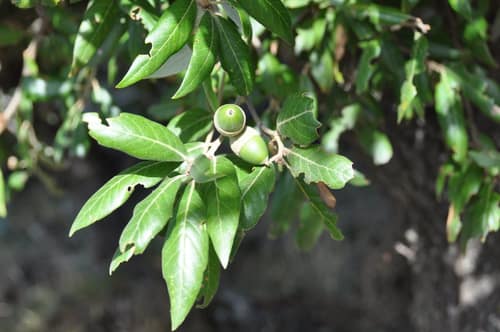
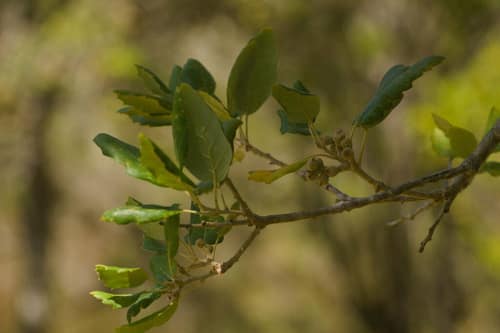
Recognized by stiff, shallow-lobed leaves with downy undersides and oblong acorns resting in shallow, rough-scaled cups.
What to do
Prevent pets and domestic grazing animals from chewing fallen acorns or browsing pruned foliage.
Responsible observation
Winter Leaf Retention: Look for dry, pale brown leaves persisting on the crown through the colder months.
Inspect the Twigs: Search branches for round, marble-like wasp galls known locally as agallas.