
Plant · GBIF taxon 2881106
Shingle Oak
Quercus imbricariaAlso known as Northern Laurel Oak
Shingle oaks stand apart from most eastern deciduous trees by bearing entirely smooth-edged, laurel-like foliage tipped with a single tiny bristle. Early European settlers extensively rived their straight-grained wood into roof shakes, cementing their common name across frontier settlements. These trees frequently anchor riparian edges and moist slopes, dropping small acorns that sustain migrating waterfowl and woodland rodents throughout winter.
DeciduousHardwoodNative Tree
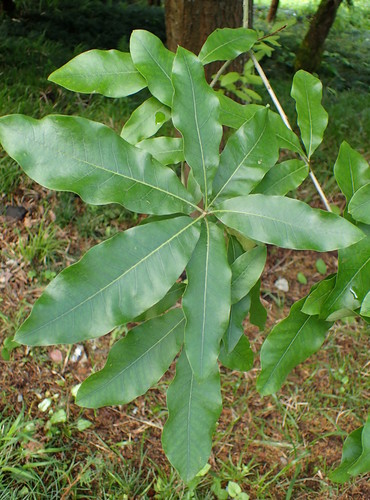
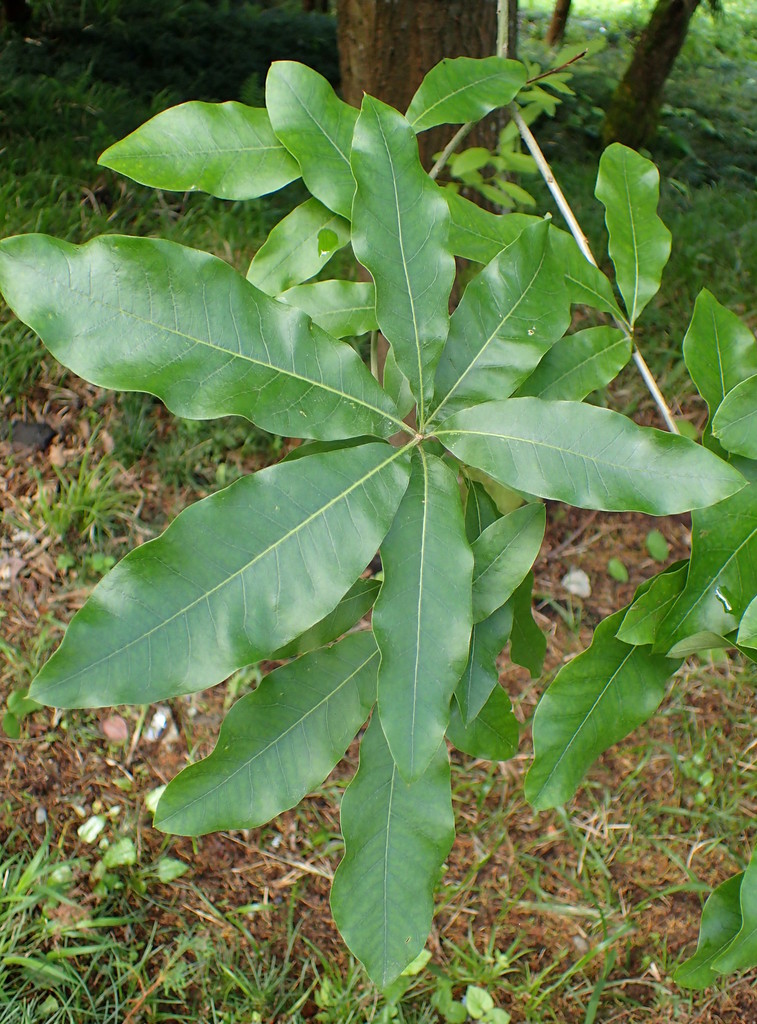
—observations
—countries
—peak records
Least ConcernConservation statusIUCN Red List categoriesLCNTVUENCREWEXLeast ConcernRed List categories, explained →
Diet & prey
- Autotrophic (photosynthesis)
Predators
- Acorn Weevil
- Spongy Moth
- White-tailed Deer
ThreatsOak wilt, herbicide drift, and urban development
HabitatsMoist river terraces, bottomland margins, and upland slopes
Life span100–180 years
Size / weightNot available
Classification
- OrderFagales
- FamilyFagaceae
- GenusQuercus
- SpeciesQuercus imbricaria
Range data is not available yet.
Interaction riskLow
- Low
- Moderate
- High
- Very high
- Why interaction risk is low
- Safe to observe at a normal distance.
Responsible observation
- Leaf Inspection: Look closely for smooth, oblong margins tipped with a single tiny bristle rather than deep lobes.
- Winter Identification: Search for marcescent, pale brown leaves that cling persistently to lower branches until spring.
- Acorn Examination: Check the small, bowl-capped nuts maturing in pairs during late summer.
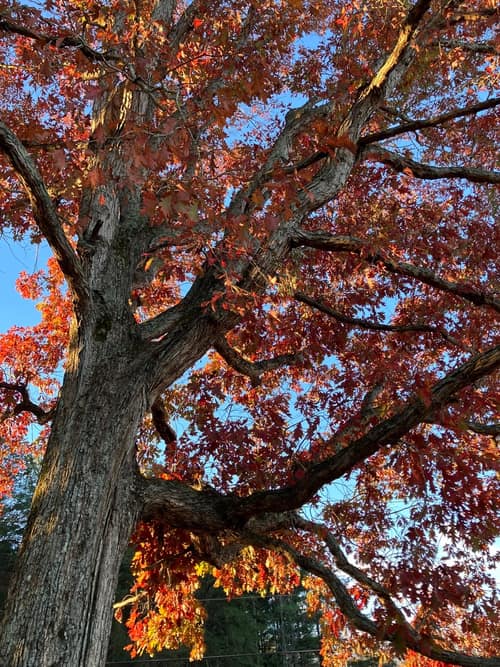
Neighbor (c) Alicia Ballard, some rights reserved (CC BY) · cc-by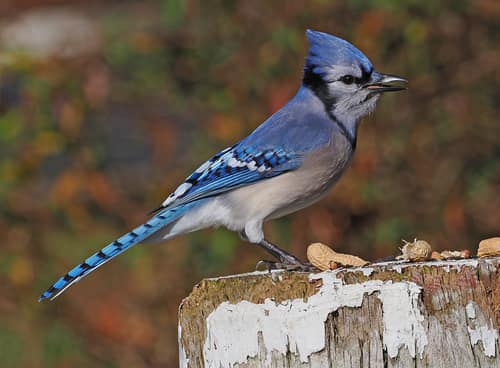
Seed Disperser (c) Judy Gallagher, some rights reserved (CC BY) · cc-by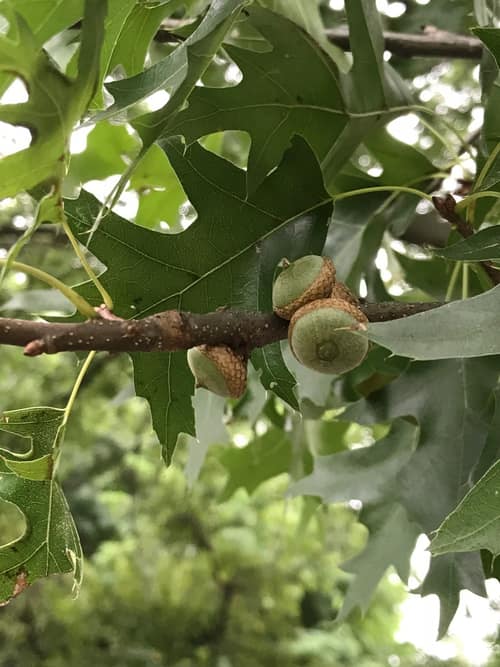
Close Relative (c) Sandy Wolkenberg, some rights reserved (CC BY), uploaded by Sandy Wolkenberg · cc-by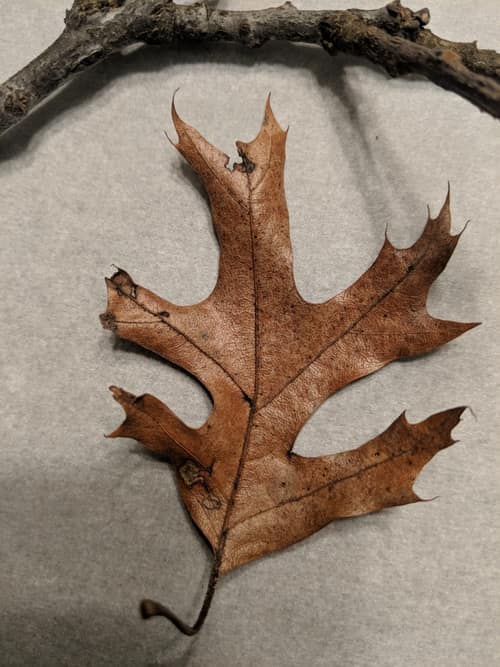
Close Relative (c) Trevor Edmonson, some rights reserved (CC BY) · cc-by
Keep collecting in Fauna
Found in Collections
Ecosystem chain
The Forest Floor
Shingle Oak is found in this collection. Identify it in Fauna to fill this slot and continue your progress.
—/12
Help improve the field guideSomething wrong?
Checking your Fauna account…Report a name, category, or profile issue for review.