
Plant · GBIF taxon 2880740
Coast Scrub Oak
Quercus dumosaAlso known as Nuttall's Scrub Oak, Coastal Sage Scrub Oak
Coast scrub oaks form dense, tangled copses along wind-exposed coastal bluffs and foothills of southern California and Baja California. These evergreen shrubs feature small, dark green leaves with sharp spiny teeth and pale, hair-lined undersides that trap moisture. Severe coastal overdevelopment and altering wildfire frequencies pose intense threats to their remaining fragmented populations.
CoastalChaparralShrub
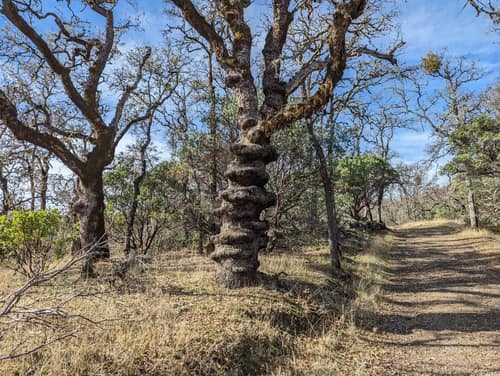
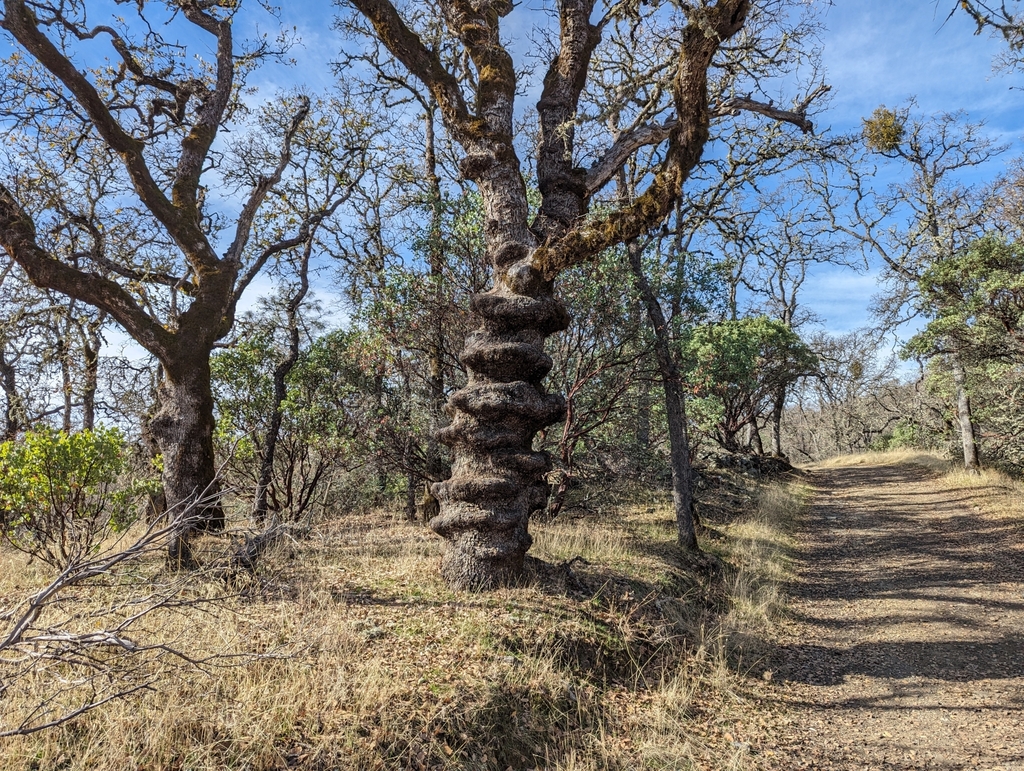
—observations
—countries
—peak records
EndangeredConservation statusIUCN Red List categoriesLCNTVUENCREWEXEndangeredRed List categories, explained →
Diet & prey
- Autotrophic (Photosynthetic)
Predators
- Mule Deer
- Acorn Weevils
- California Scrub-Jay
ThreatsUrban development, habitat fragmentation, frequent wildfires
HabitatsCoastal sage scrub, chaparral, coastal bluffs
Life span100–200+ years
Size / weightNot available
Classification
- FamilyFagaceae
- SpeciesQuercus dumosa
Range data is not available yet.
Interaction riskLow
- Low
- Moderate
- High
- Very high
- Why interaction risk is low
- Safe to observe at a normal distance.
- What to notice
- Look for a low, dense oak shrub under 3 meters tall with spiny leaves and slender pointed acorns.
- Support conservation
- Stay on designated trails to avoid crushing fragile seedlings and soil in coastal reserves.
Responsible observation
- Leaf Inspection: Check the underside of small leaves for tiny, tangled hair tufts using a hand lens.
- Habitat Spotting: Look for dense shrub thickets on coastal slopes influenced by ocean fog.
- Respect Native Habitat: Avoid trampling fragile coastal chaparral communities where this oak persists.
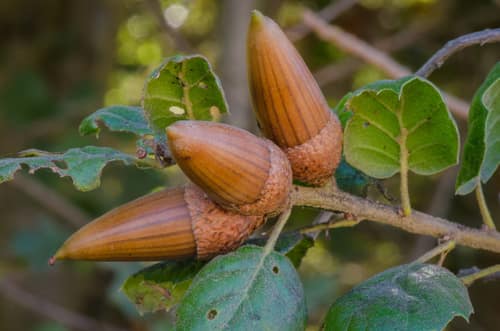
Frequent Companion (c) Franco Folini, some rights reserved (CC BY-SA) · cc-by-sa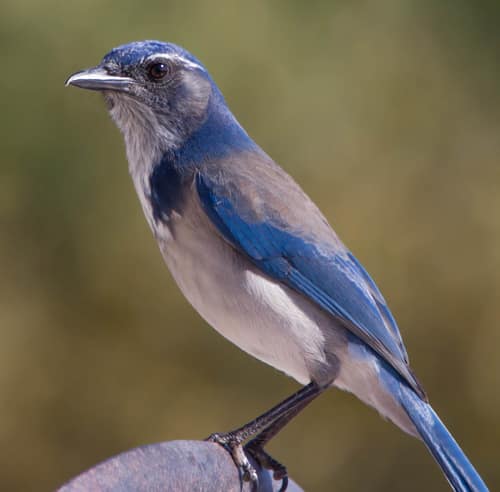
Symbiont (c) Dawn Beattie, some rights reserved (CC BY) · cc-by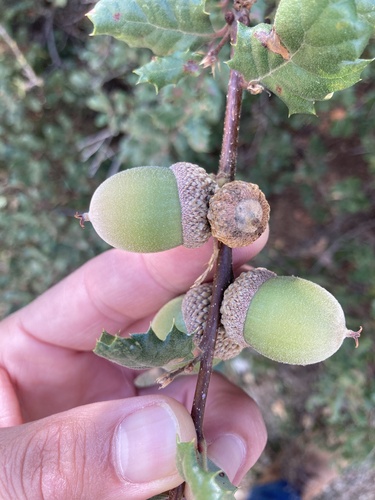
Close Relative (c) Adam J. Searcy, some rights reserved (CC BY), uploaded by Adam J. Searcy · cc-by
Help improve the field guideSomething wrong?
Checking your Fauna account…Report a name, category, or profile issue for review.