
Plant
Chinkapin Oak
Quercus muehlenbergiiAlso known as Chinquapin Oak, Yellow Chestnut Oak, Rock Chestnut Oak
Chinkapin oaks thrive on dry, alkaline limestone soils where few other large trees can flourish, anchoring delicate karst ecosystems across central and eastern North America. Distinctive coarsely-toothed leaves resemble sweet chestnut foliage, turning a warm yellow-bronze before falling in late autumn. Small, sweet acorns mature in a single season, providing a highly prized, low-tannin food source for wild turkeys, squirrels, and blue jays.
DeciduousLimestone NativeAcorn Producer
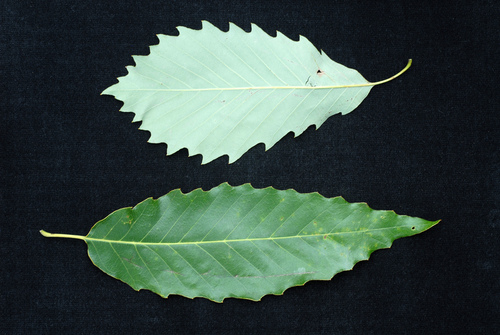
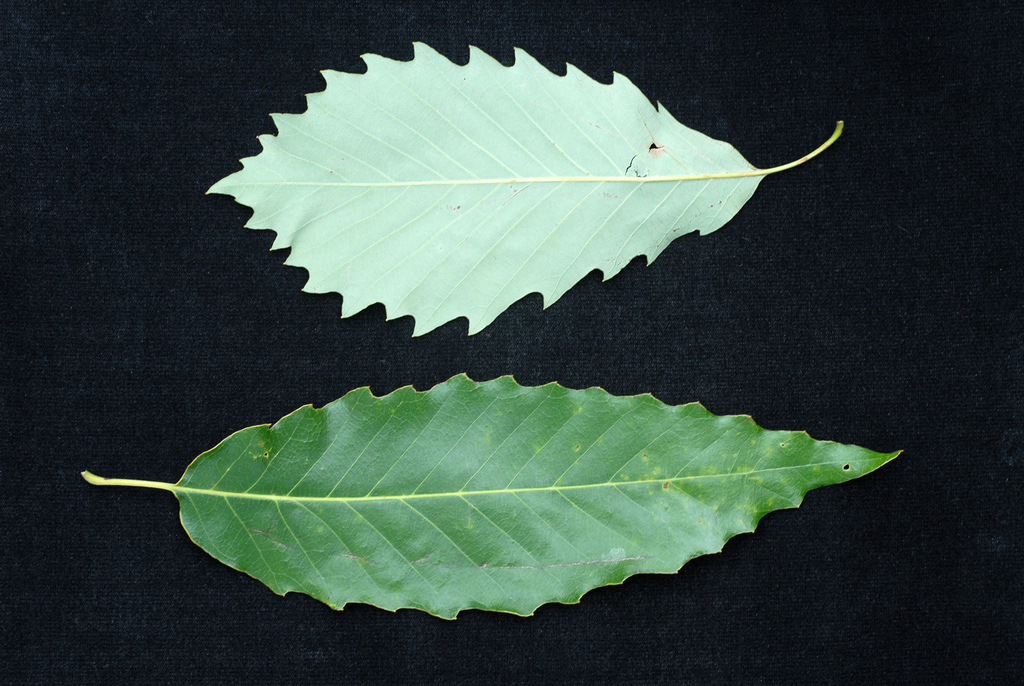
—observations
—countries
—peak records
Least ConcernConservation statusIUCN Red List categoriesLCNTVUENCREWEXLeast ConcernRed List categories, explained →
Diet & preySunlight, Water, Soil Minerals
Predators
- Oak Wilt Fungus
- White-Tailed Deer
- Spongy Moth Larvae
ThreatsOak wilt disease, habitat clearing, overbrowsing by deer
HabitatsLimestone bluffs, rocky slopes, dry upland forests, oak savannas
Life span150–400 years
Classification
- OrderFagales
- FamilyFagaceae
- GenusQuercus
- SpeciesQuercus muehlenbergii
Range data is not available yet.
Interaction riskLow
- Low
- Moderate
- High
- Very high
- Why interaction risk is low
- Safe to observe at a normal distance.
Responsible observation
- Leaf Spotting: Look for chestnut-like, sharp-toothed leaf edges missing deep lobes typical of white oaks.
- Seasonal Timing: Visit in autumn to see sweet, dark brown acorns dropping from short-stalked caps.
- Habitat Clues: Search dry limestone bluffs and rocky calcium-rich soils where competitors struggle.
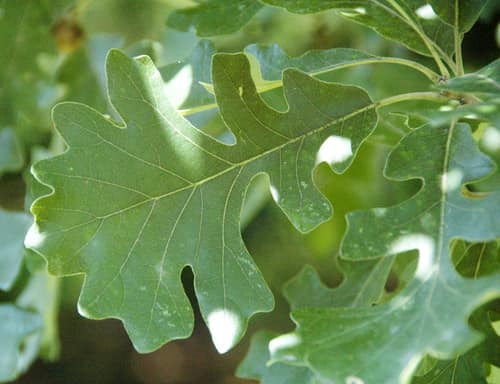
Co-Occurring Member James St. John / CC BY 2.0 · CC BY 2.0 Image unavailable
Close Relative 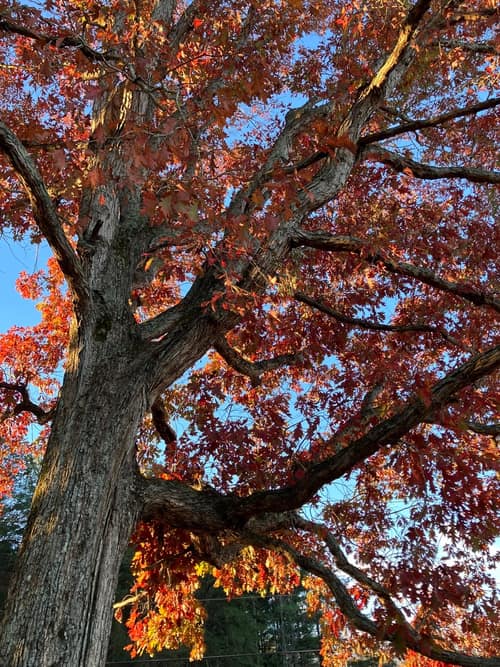
Close Relative (c) Alicia Ballard, some rights reserved (CC BY) · cc-by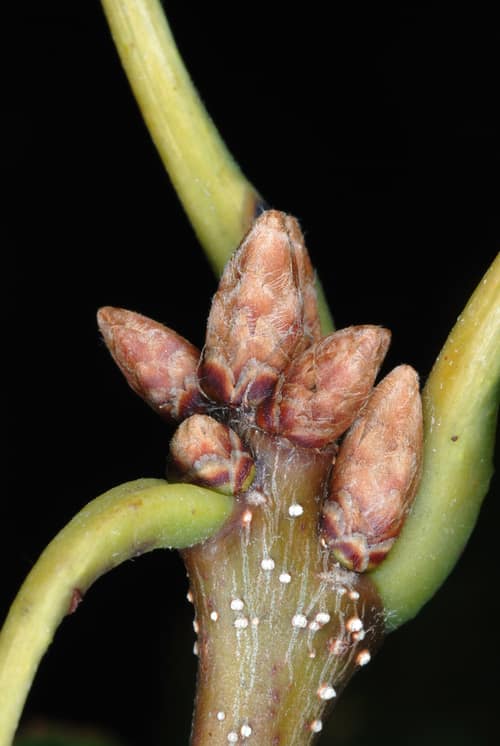
Look-Alike Relative (c) Douglas Goldman, some rights reserved (CC BY-SA), uploaded by Douglas Goldman · cc-by-sa
Keep collecting in Fauna
Found in Collections
Ecosystem chain
The Forest Floor
Chinkapin Oak is found in this collection. Identify it in Fauna to fill this slot and continue your progress.
—/12
Help improve the field guideSomething wrong?
Checking your Fauna account…Report a name, category, or profile issue for review.