
Plant · GBIF taxon 2879411
Cork Oak
Quercus suberAlso known as Alcornoque, Sobro
Cork Oak thrives across the sunny Mediterranean basin, forming open savannahs called dehesas that support remarkable biodiversity. Its thick, spongy bark acts as an evolutionary defense against natural wildfires, insulating the living trunk while regenerating after sustainable harvests every decade. Golden-brown acorns with fringed cups mature in autumn, providing crucial winter food for wild boar, deer, and wintering birds.
EvergreenBarkMediterranean
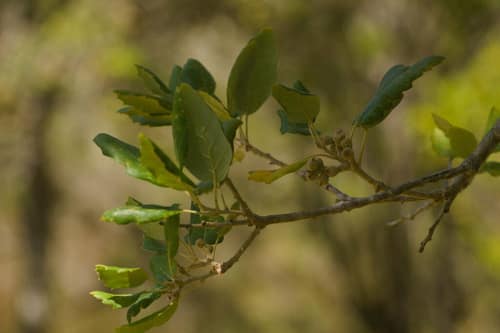
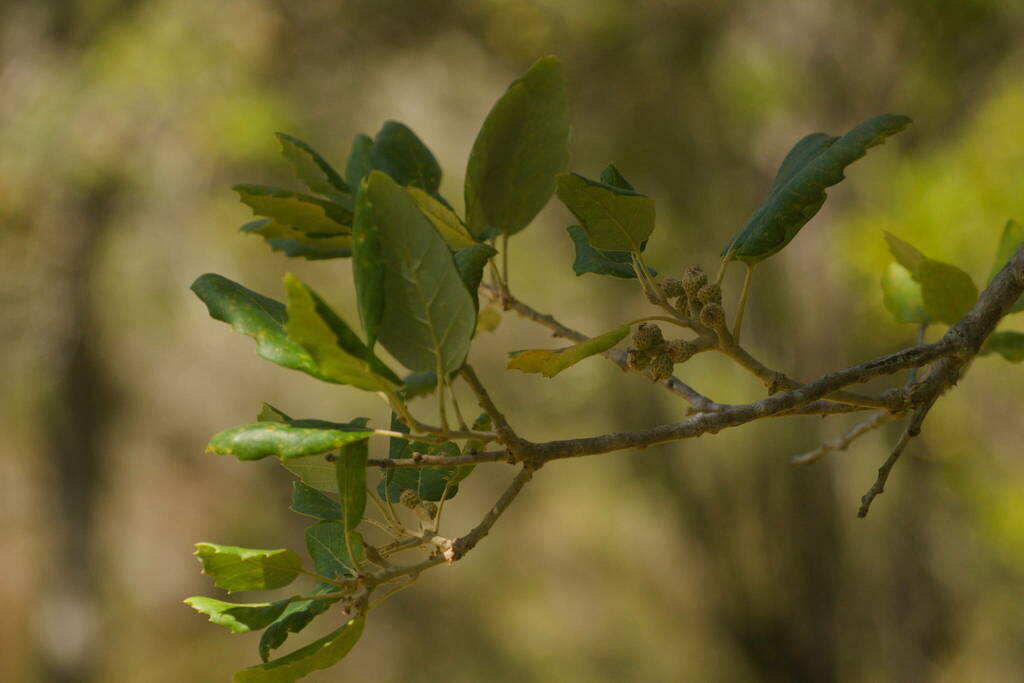
—observations
—countries
—peak records
Least ConcernConservation statusIUCN Red List categoriesLCNTVUENCREWEXLeast ConcernRed List categories, explained →
Diet & prey
- Sunlight
- Water
- Soil Minerals
Predators
- Oak Processionary Moth
- Cynipid Gall Wasps
- Wild Boar
ThreatsClimate change, drought, fungal diseases, habitat fragmentation
HabitatsMediterranean forests, dehesas, coastal woodlands
Life span150–250 years
Size / weightNot available
Classification
- FamilyFagaceae
- SpeciesQuercus suber
Range data is not available yet.
Interaction riskLow
- Low
- Moderate
- High
- Very high
- Why interaction risk is low
- Safe to observe at a normal distance.
Responsible observation
- Bark Observation: Look for thick, spongy grey bark with deep vertical furrows, or vibrant orange-cinnamon inner bark on recently harvested trees.
- Acorn Identification: Search for acorns enclosed halfway in distinctive cupules covered with loose, reflexed scales.
- Respect Harvesters: Avoid disturbing marked trees or stripping bark yourself, as improper peeling damages the vital cambium layer.
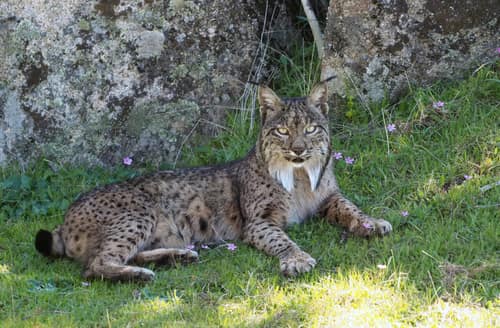
Frequent Companion (c) Frank Vassen, some rights reserved (CC BY) · cc-by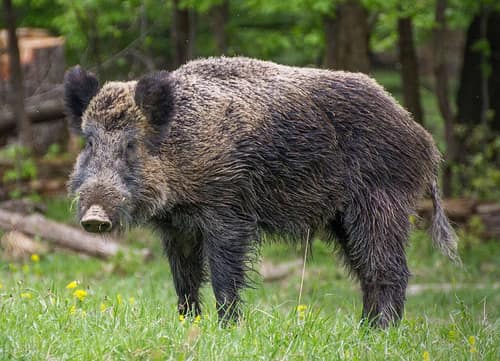
Prey Valentin Panzirsch / CC BY-SA 3.0 at · cc-by-sa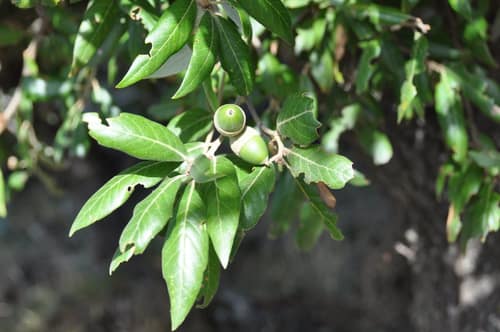
Close Relative Flickr / CC BY 2.0 · CC BY 2.0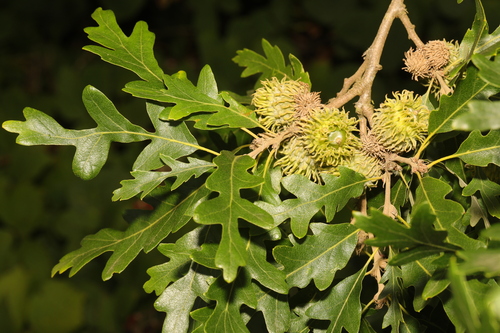
Close Relative no rights reserved, uploaded by Stephen James McWilliam · cc0
Help improve the field guideSomething wrong?
Checking your Fauna account…Report a name, category, or profile issue for review.