
Plant · GBIF taxon 2879098
Holm Oak
Quercus ilexAlso known as Holly Oak, Mediterranean Evergreen Oak, Ballota Oak
Holm oaks form the backbone of Mediterranean evergreen forests, displaying dense, dark green foliage that stays on the branches year-round. Young shoots and lower leaves often feature sharp, holly-like spines to deter grazing animals, whereas mature upper canopy leaves remain smooth and leathery. Their rich acorn crops sustain diverse wildlife, from seed-dispersing birds to forest mammals.
EvergreenTreeMediterranean
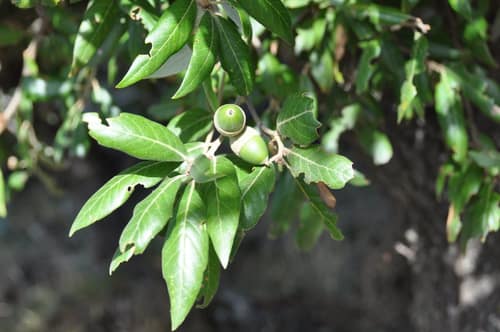
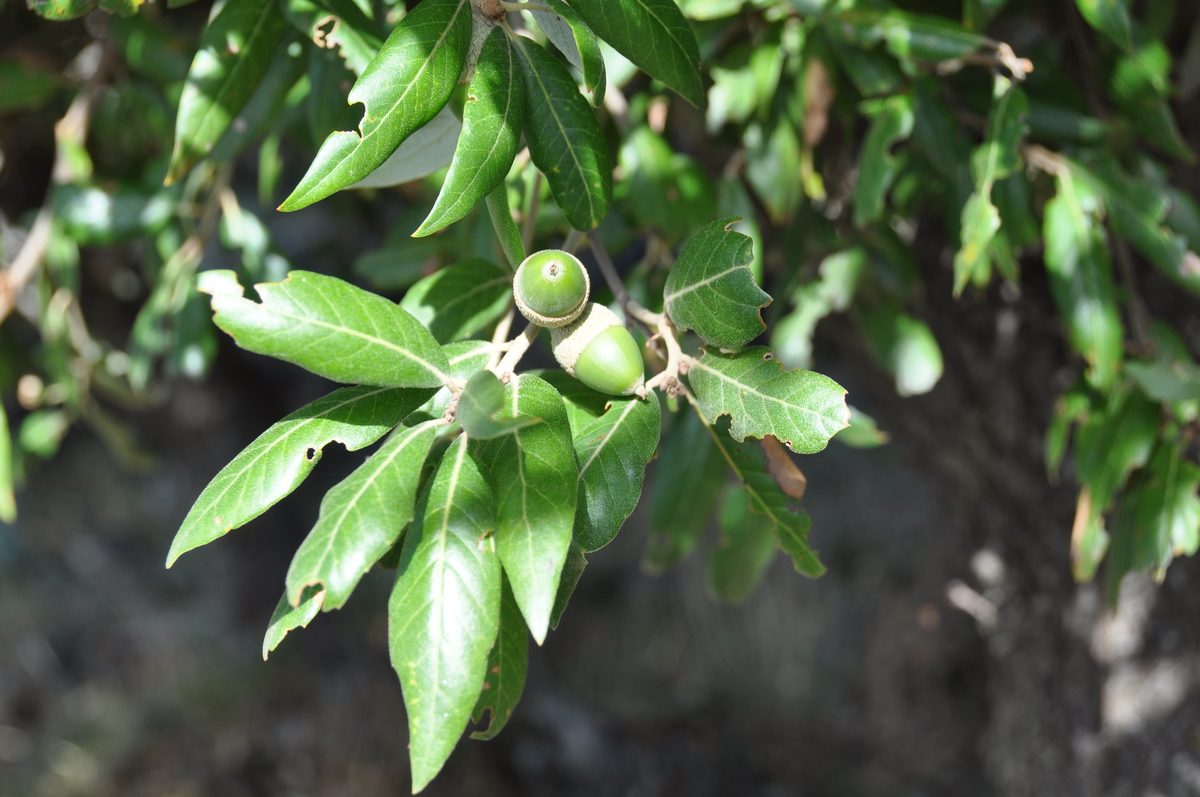
—observations
—countries
—peak records
Least ConcernConservation statusIUCN Red List categoriesLCNTVUENCREWEXLeast ConcernRed List categories, explained →
Diet & prey
- Autotrophic (Photosynthesis)
Predators
- Eurasian Jay
- Wild Boar
- Wood Mouse
ThreatsOak decline fungal pathogens, extreme drought, overgrazing
HabitatsMediterranean woodlands, dry scrublands, coastal forests, dehesas
Life span200–500 years
Size / weightNot available
Classification
- OrderFagales
- FamilyFagaceae
- GenusQuercus
- SpeciesQuercus ilex
Range data is not available yet.
Interaction riskLow
- Low
- Moderate
- High
- Very high
- Why interaction risk is low
- Safe to observe at a normal distance.
Responsible observation
- Leaf Dimorphism: Compare lower prickly leaves with higher smooth leaves to see herbivore defense adaptations.
- Acorn Spotting: Look for short-stalked acorns maturing in early autumn on lower outer branches.
- Root Association: Scan the surrounding soil in late autumn for signs of mycorrhizal fungal activity.
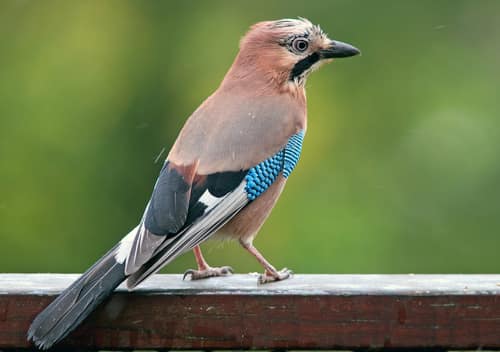
Seed Disperser (c) Luc Viatour, some rights reserved (CC BY-SA) · cc-by-sa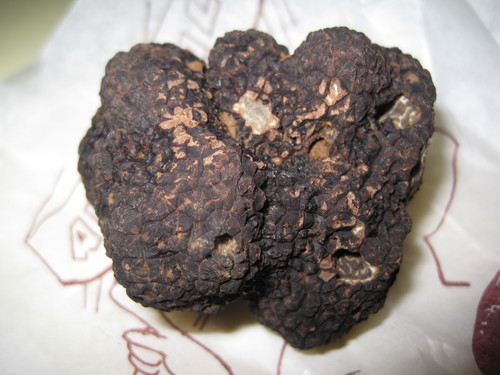
Symbiont (c) Sean Gillies, some rights reserved (CC BY-SA) · cc-by-sa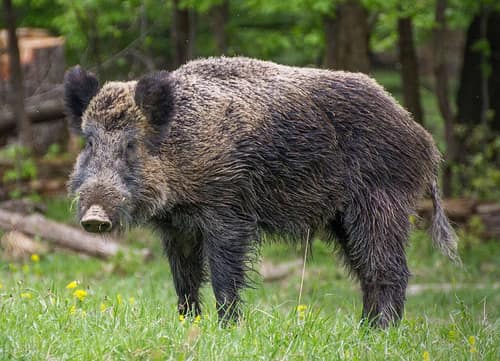
Seed Consumer Valentin Panzirsch / CC BY-SA 3.0 at · cc-by-sa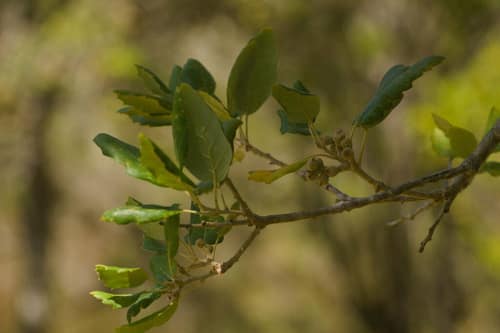
Close Relative (c) Kevin Faccenda, some rights reserved (CC BY) · cc-by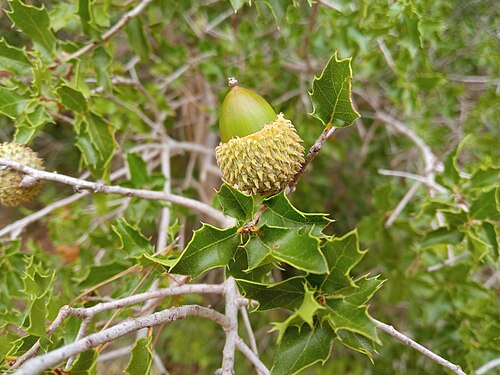
Close Relative Josep Gesti / CC BY-SA 4.0 · cc-by-sa
Keep collecting in Fauna
Found in Collections
Ecosystem chain
The Forest Floor
Holm Oak is found in this collection. Identify it in Fauna to fill this slot and continue your progress.
—/12
Help improve the field guideSomething wrong?
Checking your Fauna account…Report a name, category, or profile issue for review.