
Plant · GBIF taxon 2878289
Shumard Oak
Quercus shumardiiAlso known as Spotted Oak, Schneck Oak, Shumard Red Oak, Swamp Red Oak
Shumard oak towers as one of the largest trees in the red oak group, developing a broad, open crown that casts deep shade in mature bottomland forests. Deeply lobed leaves feature bristle-tipped points that turn brilliant shades of crimson, orange, and scarlet each autumn. Its heavy acorn crops provide essential winter nourishment for wild turkeys, blue jays, white-tailed deer, and small mammals.
DeciduousFall ColorAcorn Tree
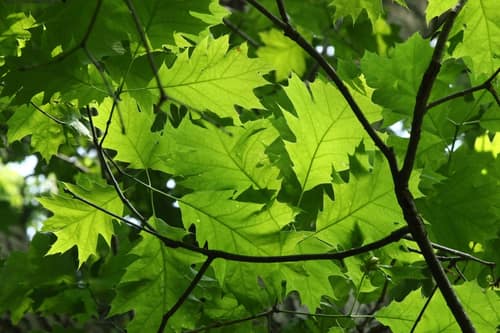
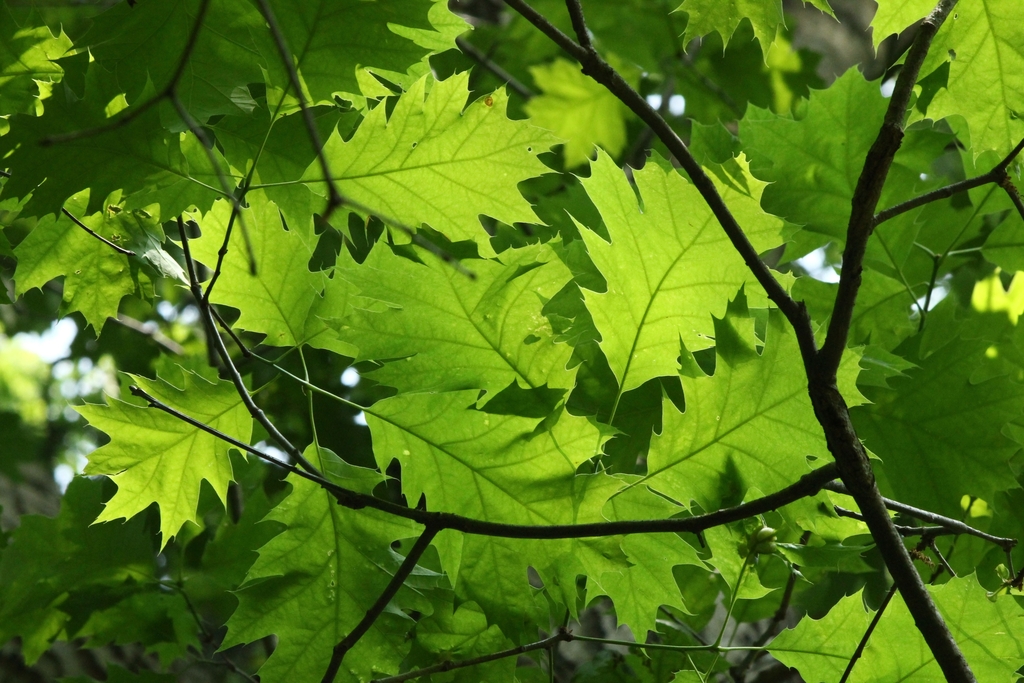 1 / 7
1 / 7—observations
—countries
—peak records
Least ConcernConservation statusIUCN Red List categoriesLCNTVUENCREWEXLeast ConcernRed List categories, explained →
Diet & prey
- Photosynthetic
Predators
- White-tailed Deer
- Acorn Weevils
- Wood Borers
ThreatsOak wilt, habitat fragmentation, oak borer beetles
HabitatsMoist river bottomlands, floodplains, well-drained uplands
Life span100–200 years
Classification
- OrderFagales
- FamilyFagaceae
- GenusQuercus
- SpeciesQuercus shumardii
Range data is not available yet.
Interaction riskLow
- Low
- Moderate
- High
- Very high
- Why interaction risk is low
- Safe to observe at a normal distance.
Responsible observation
- Autumn Color: Look for vibrant scarlet and crimson foliage late in the autumn season.
- Acorn Identification: Check for shallow, saucer-like cups with tiny scales enclosing a striped nut.
- Habitat Spotting: Seek out tall mature specimens along rich riverbanks and moist bottomlands.
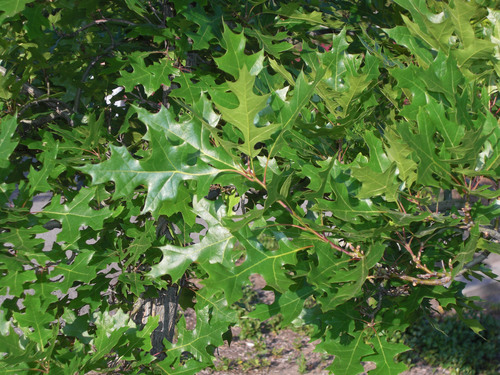
Close Relative (c) Andrey Zharkikh, some rights reserved (CC BY) · cc-by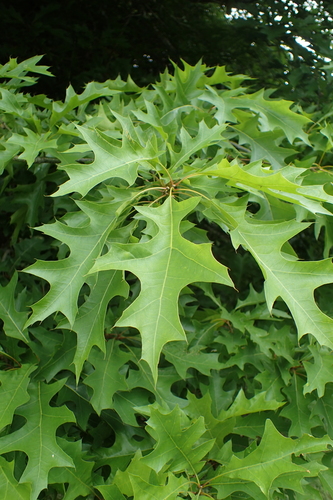
Close Relative (c) Krzysztof Ziarnek, Kenraiz, some rights reserved (CC BY-SA) · cc-by-sa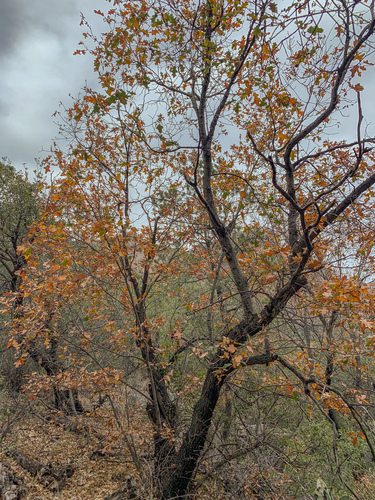
Close Relative (c) Richard Jacob, some rights reserved (CC BY), uploaded by Richard Jacob · cc-by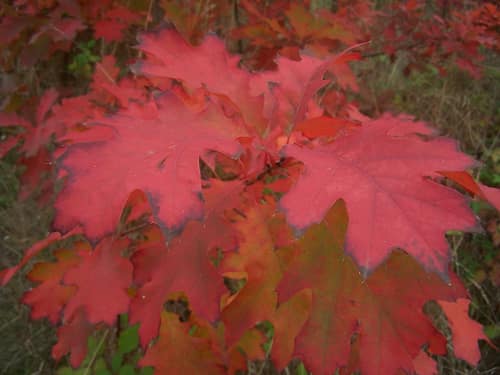
Red Oak Relative no rights reserved · cc0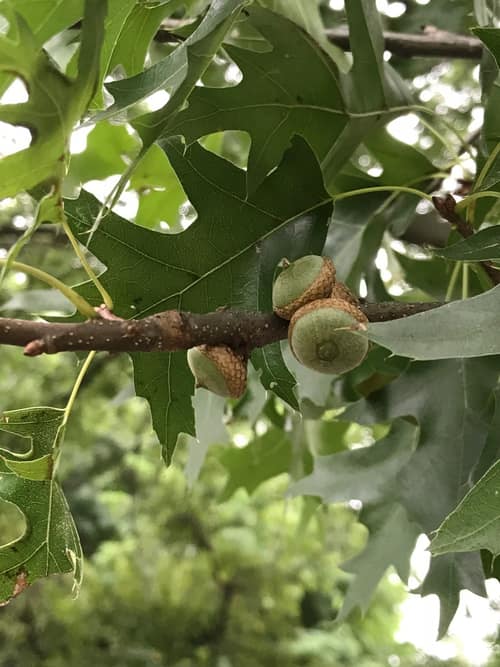
Red Oak Relative (c) Sandy Wolkenberg, some rights reserved (CC BY), uploaded by Sandy Wolkenberg · cc-by
Keep collecting in Fauna
Found in Collections
Ecosystem chain
The Forest Floor
Shumard Oak is found in this collection. Identify it in Fauna to fill this slot and continue your progress.
—/12
Help improve the field guideSomething wrong?
Checking your Fauna account…Report a name, category, or profile issue for review.