
Plant · GBIF taxon 2877959
Sawtooth Oak
Quercus acutissimaAlso known as Japanese Chestnut Oak, Korean Oak
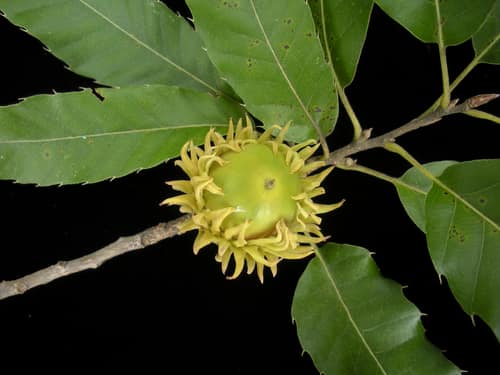
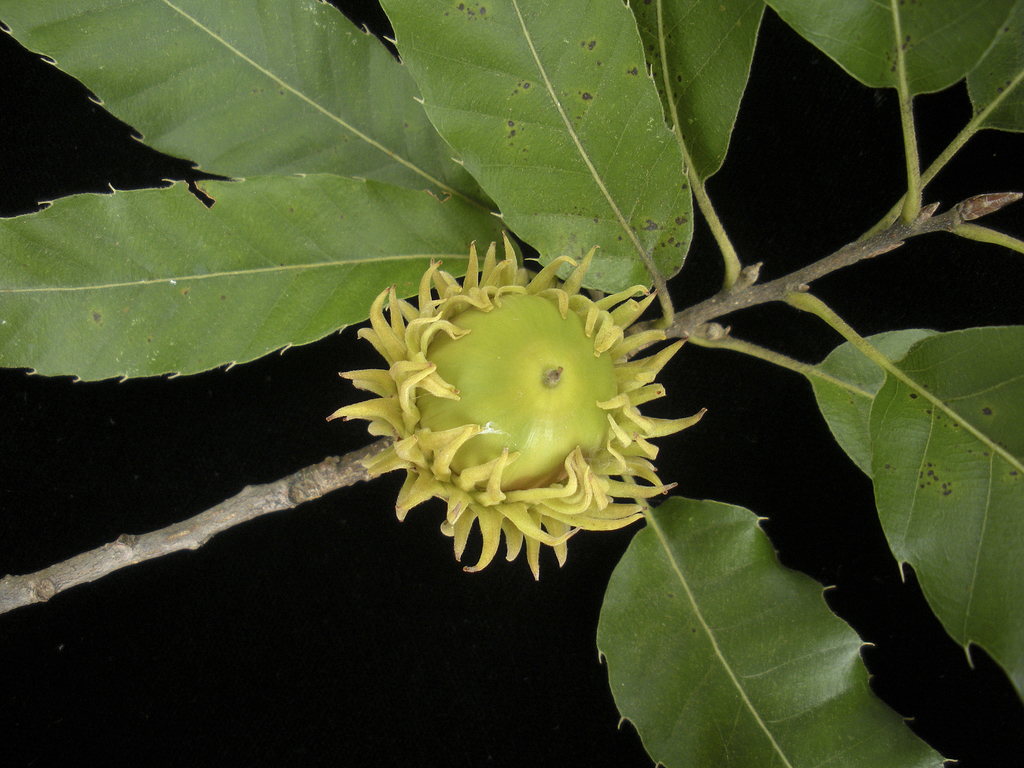
Sawtooth oak stands out with its long, lance-shaped leaves trimmed in sharp, needle-like teeth that resemble chestnut foliage. In autumn, its heavy crops of large acorns nestled in frilly, hair-scaled cups provide seasonal food for woodland wildlife. Fast-growing and resilient, it often establishes along forest margins and disturbed ground where sunlight is abundant.
DeciduousTreeFast-growing
—observations
—countries
—peak records
Least ConcernConservation statusIUCN Red List categoriesLCNTVUENCREWEXLeast ConcernRed List categories, explained →
Diet & prey
- Autotrophic
Predators
- Acorn Weevils
- Gall Wasps
- Spongy Moths
ThreatsHabitat clearing, oak wilt, invasive insect pests
HabitatsTemperate forests, woodland edges, disturbed slopes
Life span50–100 years
Size / weightNot available
Classification
- FamilyFagaceae
- SpeciesQuercus acutissima
Range data is not available yet.
Interaction riskLow
- Low
- Moderate
- High
- Very high
- Why interaction risk is low
- Safe to observe at a normal distance.
Responsible observation
- Leaf Identification: Look for glossy, chestnut-like leaves edged with distinct needle-pointed teeth along the margins.
- Acorn Observation: Examine the unique cupules, which feature long, spreading, hair-like scales enclosing half the nut.
- Ecology Note: Watch for jays and squirrels harvesting acorns in early autumn before they drop.
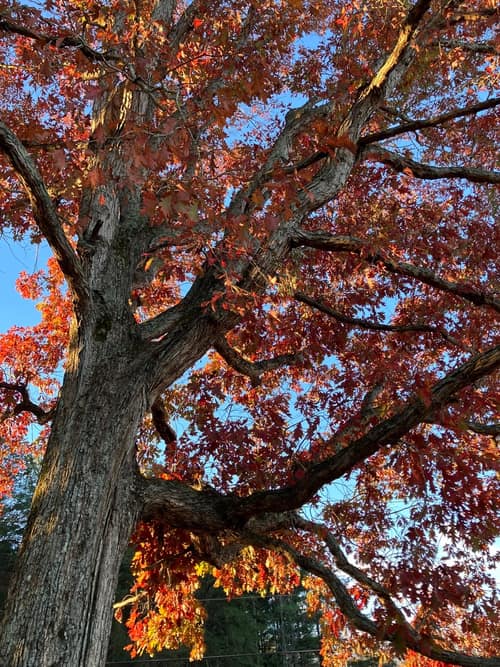
Competitor (c) Alicia Ballard, some rights reserved (CC BY) · cc-by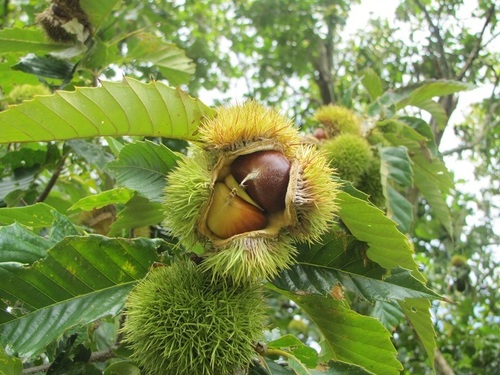
Ecological Neighbor no rights reserved, uploaded by Ken Kneidel · cc0 Image unavailable
Close Relative 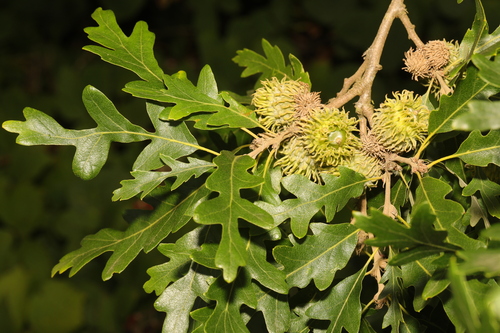
Close Relative no rights reserved, uploaded by Stephen James McWilliam · cc0
Help improve the field guideSomething wrong?
Checking your Fauna account…Report a name, category, or profile issue for review.