
Plant
Common Alder
Alnus glutinosaAlso known as Black Alder, European Alder, European Black Alder
Common alders anchor riverbanks and waterlogged fens with tangled root systems that stabilize eroding soil and shelter aquatic wildlife. Symbiotic Frankia alni bacteria housed in root nodules fix atmospheric nitrogen, enriching poor ground so the trees can pioneer wet, disturbed sites. In late winter, long yellow-brown male catkins dangle beside tiny upright female cones that linger on bare twigs through the following winter, feeding flocks of hungry finches.
DeciduousRiparianNitrogen-Fixing
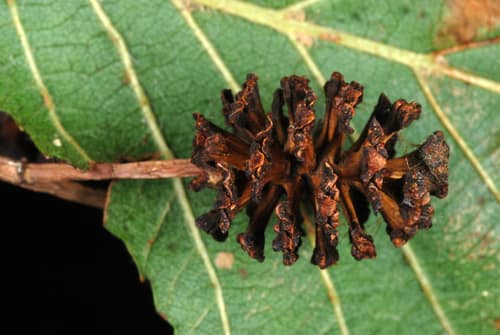
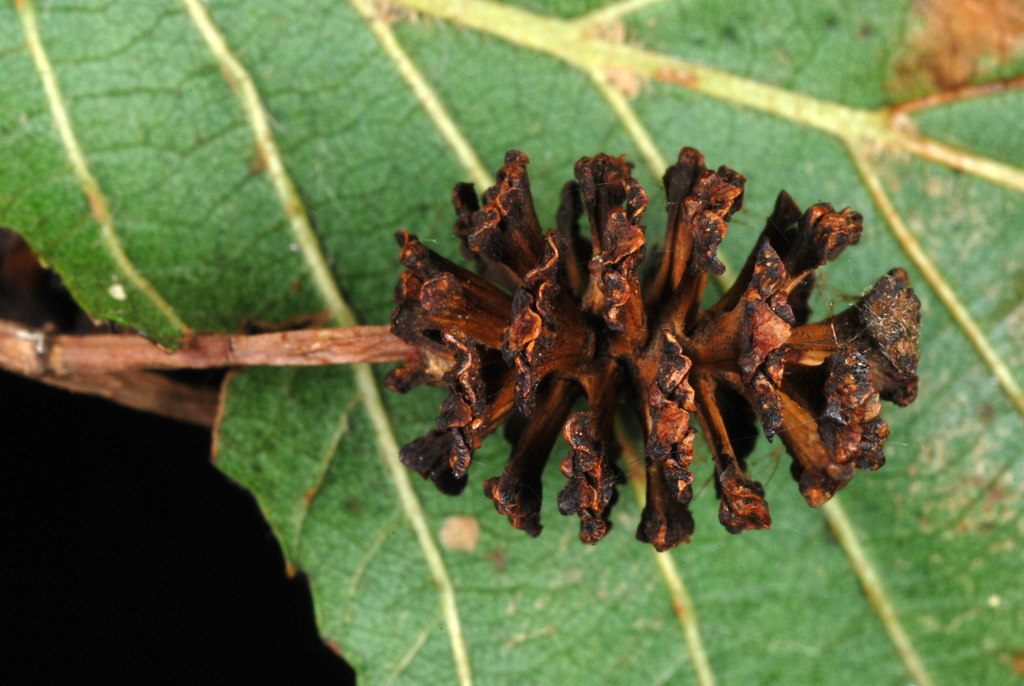
—observations
—countries
—peak records
Least ConcernConservation statusIUCN Red List categoriesLCNTVUENCREWEXLeast ConcernRed List categories, explained →
Diet & preySunlight, Soil Water, Atmospheric Nitrogen (via Frankia)
Predators
- Eurasian Beaver
- Roe Deer
- Alder Leaf Beetle
ThreatsPhytophthora alni root rot, wetland drainage, and riparian clearing
HabitatsRiverbanks, marshes, fens, wet woodlands, and lake shores across Europe, southwest Asia, and northern Africa
Life span60–160 years
Classification
- OrderFagales
- FamilyBetulaceae
- GenusAlnus
- SpeciesAlnus glutinosa
Range data is not available yet.
Interaction riskLow
- Low
- Moderate
- High
- Very high
- Why interaction risk is low
- Safe to observe at a normal distance.
Responsible observation
- Bark and Leaves: Look for dark, fissured bark and rounded leaves with a notched tip rather than a sharp point.
- Winter Cones: Spot small, dark, woody cone-like fruits hanging alongside next spring's catkins on bare twigs.
- Waterfront Habitat: Search along slow-moving rivers, flooded ditches, and boggy woodland edges.
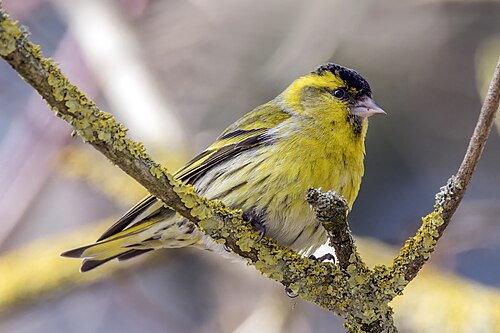
Seed Feeder Charles J. Sharp / CC BY-SA 4.0 · cc-by-sa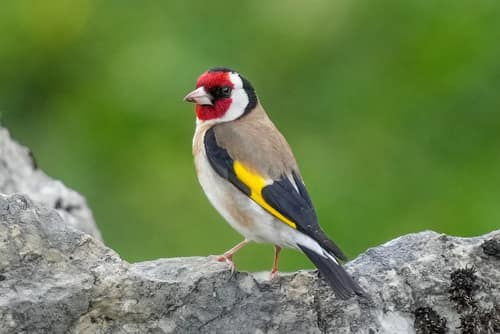
Seed Feeder Giles Laurent / CC BY-SA 4.0 · cc-by-sa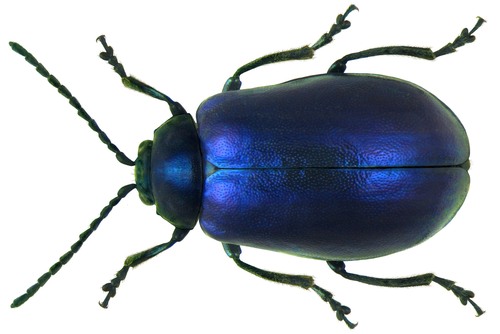
Herbivore (c) Udo Schmidt, some rights reserved (CC BY-SA) · cc-by-sa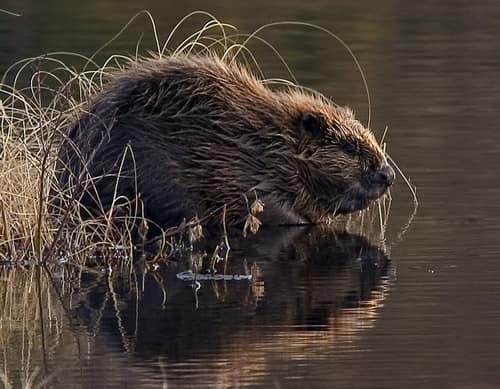
Herbivore Per Harald Olsen / CC BY-SA 3.0 · cc-by-sa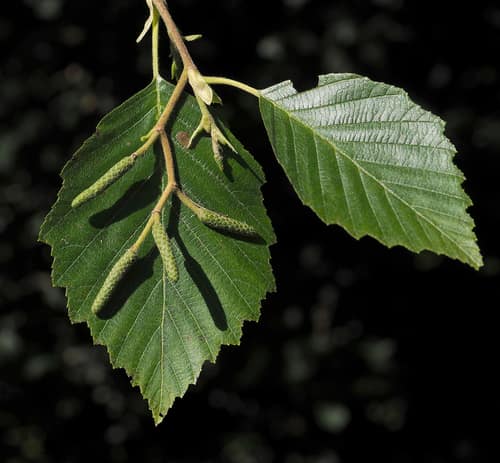
Close Relative (c) Hladac, some rights reserved (CC BY-SA) · cc-by-sa
Help improve the field guideSomething wrong?
Checking your Fauna account…Report a name, category, or profile issue for review.