
Plant · GBIF taxon 2875979
Common Hazel
Corylus avellanaAlso known as European Hazel, Hazelnut, European Filbert, Cobnut
Common hazel forms dense, multi-stemmed thickets across European woodlands, recognized in late winter by yellow male catkins that dangle alongside tiny, crimson-styled female blossoms. The round nuts mature inside leafy husks by early autumn, providing a critical energy source for small mammals and birds that cache them for winter. Historically managed through traditional coppicing, these resilient shrubs can survive for centuries while creating rich understory habitat.
DeciduousFloweringNut-bearing
—observations
—countries
—peak records
Least ConcernConservation statusIUCN Red List categoriesLCNTVUENCREWEXLeast ConcernRed List categories, explained →
Diet & prey
- Autotrophic (Photosynthesis)
Predators
- Eurasian Jay
- Red Squirrel
- Wood Mouse
ThreatsHabitat fragmentation, excessive browsing by deer, land clearing
HabitatsDeciduous woodlands, hedgerows, scrublands, forest edges
Life span50–80 years (up to several hundred if coppiced)
Size / weightNot available
Classification
- OrderFagales
- FamilyBetulaceae
- GenusCorylus
- SpeciesCorylus avellana
Range data is not available yet.
Interaction riskLow
- Low
- Moderate
- High
- Very high
- Why interaction risk is low
- Wild nuts have toxic look-alikes; never eat wild plants based on app identification alone.
Responsible observation
- Spring Observation: Look for dangling yellow male catkins and tiny red female flowers in late winter.
- Woodland Signs: Search around the base for small circular gnaw marks left by dormice eating nuts.
- Growth Habit: Notice how traditional coppicing produces straight stems historically cut for hurdles.
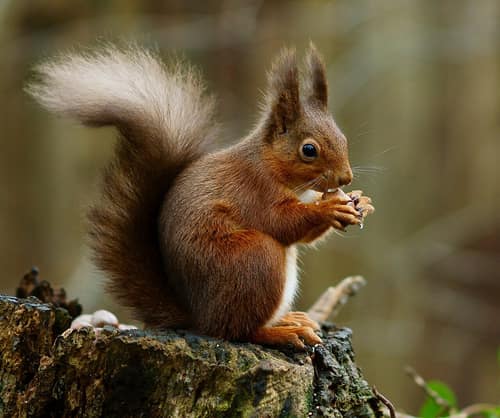
Seed Disperser Peter Trimming / CC BY 2.0 · cc-by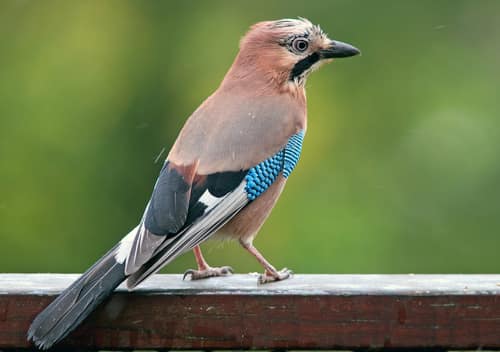
Seed Disperser (c) Luc Viatour, some rights reserved (CC BY-SA) · cc-by-sa Image unavailable
Close Relative Close Relative 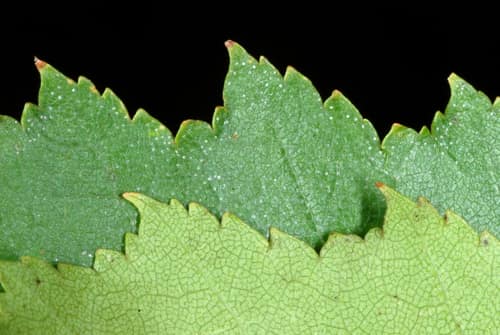
Family Relative (c) Douglas Goldman, some rights reserved (CC BY-SA), uploaded by Douglas Goldman · cc-by-sa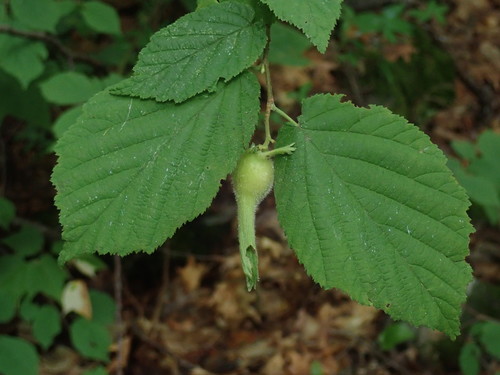
Close Relative no rights reserved, uploaded by Lynn Harper · cc0
Help improve the field guideSomething wrong?
Checking your Fauna account…Report a name, category, or profile issue for review.