
Plant · GBIF taxon 2875842
American Hornbeam
Carpinus carolinianaAlso known as Blue-Beech, Ironwood, Musclewood, Muscle Beech
American hornbeam thrives in the shady understory of eastern floodplains and moist riverbanks, recognized immediately by its smooth, slate-grey bark stretched over twisted, fluted trunks. The dense wood is extraordinarily heavy and tough, giving rise to its popular names musclewood and ironwood. In autumn, the foliage turns vibrant shades of yellow, orange, and deep red, while clusters of leafy bracts holding small nutlets dangle from the twigs to feed overwintering songbirds.
DeciduousUnderstoryHardwood
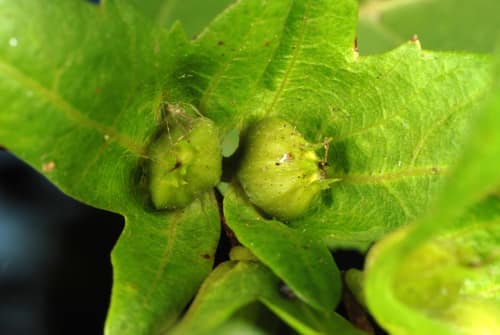
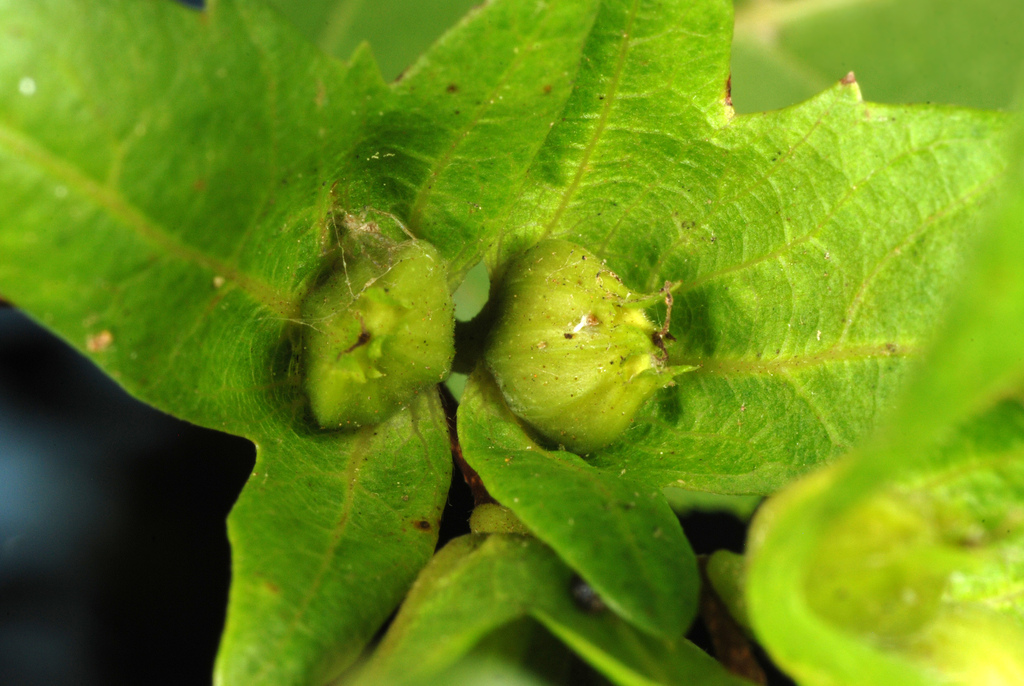 1 / 7
1 / 7—observations
—countries
—peak records
Least ConcernConservation statusIUCN Red List categoriesLCNTVUENCREWEXLeast ConcernRed List categories, explained →
Diet & prey
- Sunlight
- Water
- Soil Nutrients
Predators
- Whitetail Deer
- Beavers
- Wood-boring Beetles
ThreatsHabitat loss, severe drought, land clearing
HabitatsMoist riverbanks, floodplains, rich hardwood forest understories
Life span100–150 years
Size / weightNot available
Classification
- OrderFagales
- FamilyBetulaceae
- GenusCarpinus
- SpeciesCarpinus caroliniana
Range data is not available yet.
Interaction riskLow
- Low
- Moderate
- High
- Very high
- Why interaction risk is low
- Safe to observe at a normal distance.
Responsible observation
- Bark Inspection: Feel the smooth, muscle-like contours along the trunk to confirm identification.
- Foliage Identification: Look for doubly serrated leaves that turn brilliant yellow or orange in autumn.
- Habitat Searching: Seek this species in moist, low-lying woods near stream banks and river channels.
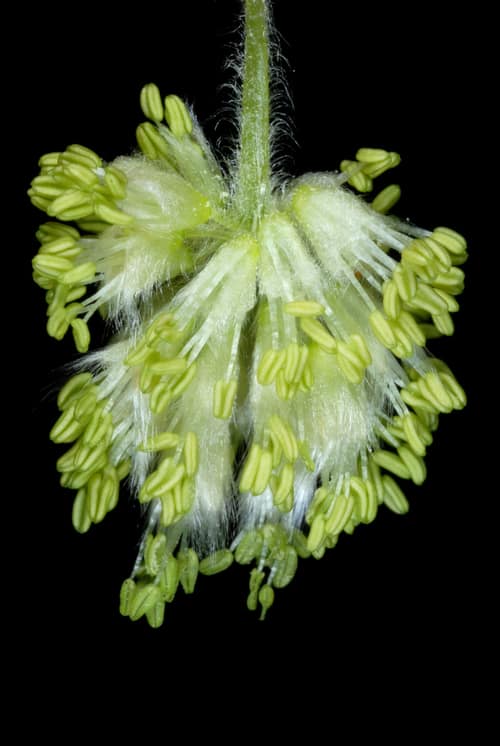
Ecological Neighbor (c) Douglas Goldman, some rights reserved (CC BY-SA), uploaded by Douglas Goldman · cc-by-sa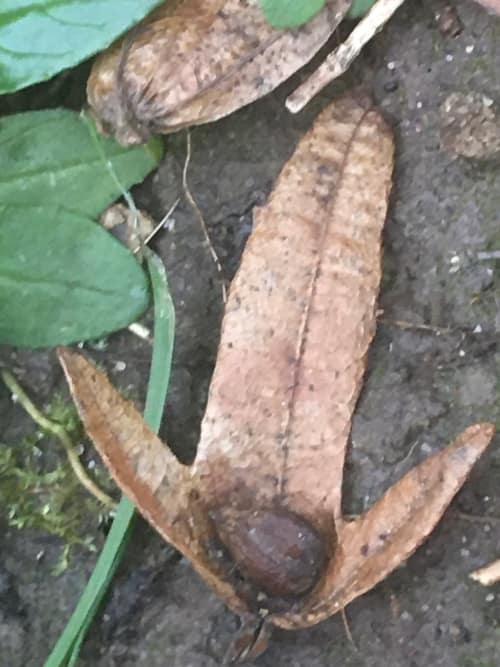
Close Relative (c) Zo Clark, some rights reserved (CC BY), uploaded by Zo Clark · cc-by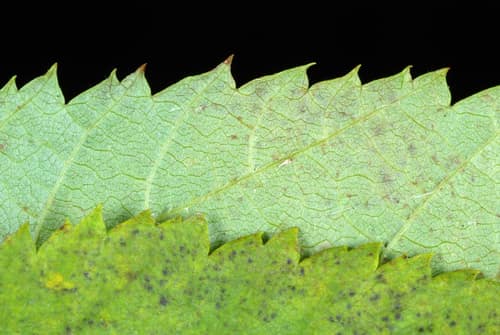
Co-occurring Relative (c) Douglas Goldman, some rights reserved (CC BY-SA), uploaded by Douglas Goldman · cc-by-sa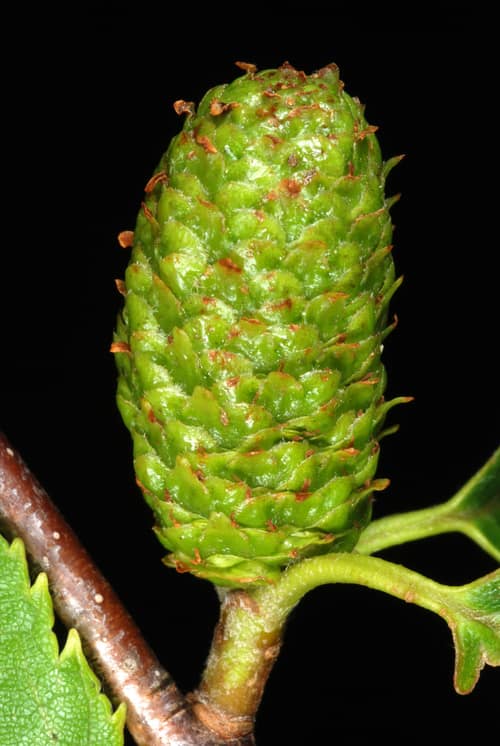
Birch Family Relative (c) Douglas Goldman, some rights reserved (CC BY-SA), uploaded by Douglas Goldman · cc-by-sa
Help improve the field guideSomething wrong?
Checking your Fauna account…Report a name, category, or profile issue for review.