
Plant
European Hornbeam
Carpinus betulusAlso known as Common Hornbeam, Yoke Elm, Ironwood
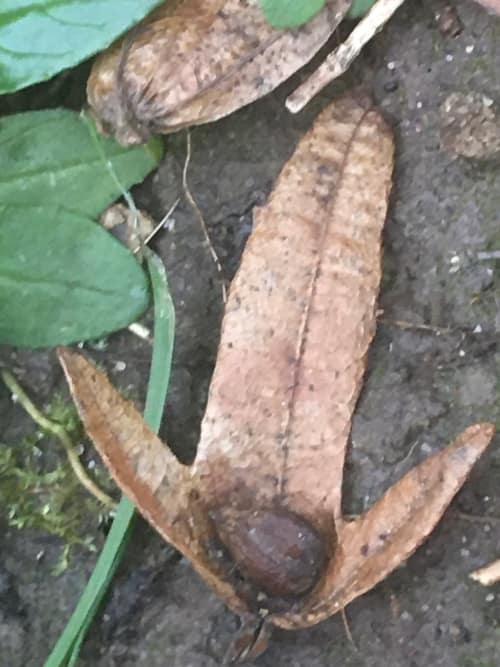
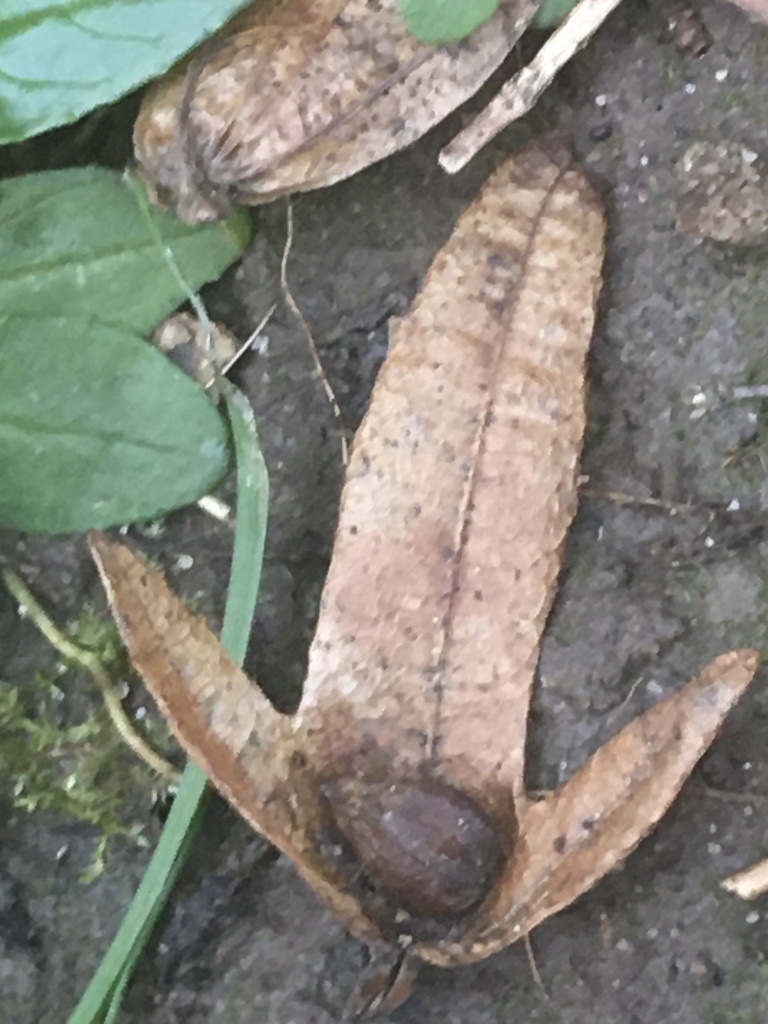
European hornbeams are renowned for their remarkably dense, heavy timber and distinctive smooth grey bark that forms muscle-like fluted ridges with age. In spring, male and female catkins emerge alongside pleated green leaves, which turn rich shades of yellow and orange in autumn before holding late into winter. The wind-pollinated female flowers mature into drooping clusters of small nutlets, each cradled by a prominent three-lobed leafy bract that aids wind dispersal.
DeciduousTreeHardwood
—observations
—countries
—peak records
Least ConcernConservation statusIUCN Red List categoriesLCNTVUENCREWEXLeast ConcernRed List categories, explained →
Diet & preyAutotrophic (Photosynthetic)
Predators
- Wood-boring beetles
- Moth caterpillars
- Browsing deer
ThreatsHabitat fragmentation, severe drought, land development
HabitatsDeciduous forests, lowland woodlands, scree slopes, mixed oak-beech woods
Life span150–300 years
Classification
- OrderFagales
- FamilyBetulaceae
- GenusCarpinus
- SpeciesCarpinus betulus
Range data is not available yet.
Interaction riskLow
- Low
- Moderate
- High
- Very high
- Why interaction risk is low
- Safe to observe at a normal distance.
Responsible observation
- Identify by Bark: Look for smooth grey bark with muscular, fluted ridges on mature trunks.
- Spot the Bracts: Inspect drooping catkins in late summer for distinctive three-lobed leafy bracts.
- Observe Hedgerows: Notice how clipped hedges retain dried brown leaves through winter as screen.
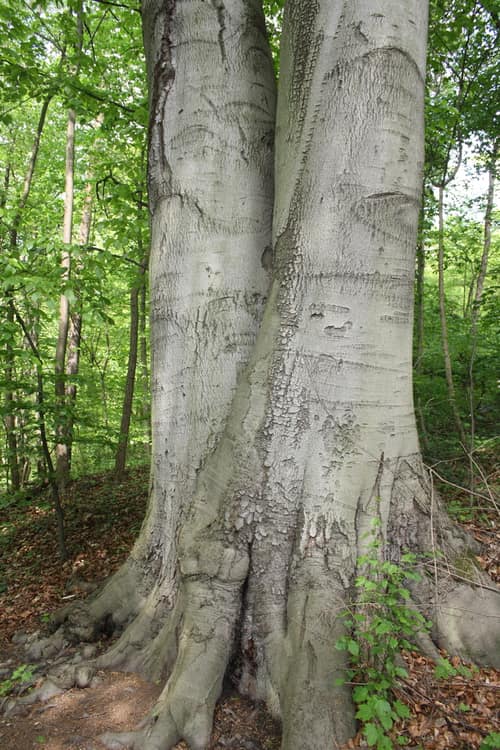
Frequent Companion (c) Daniel Linzbauer, some rights reserved (CC BY), uploaded by Daniel Linzbauer · cc-by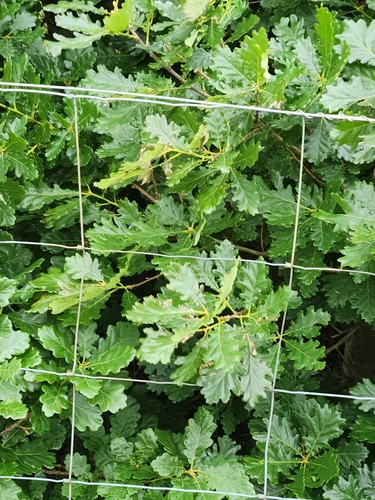
Frequent Companion (c) Jo Roberts, some rights reserved (CC BY) · cc-by Image unavailable
Close Relative 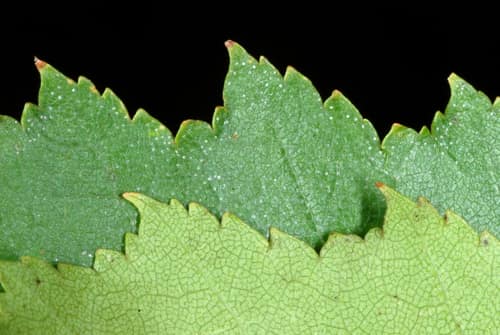
Close Relative (c) Douglas Goldman, some rights reserved (CC BY-SA), uploaded by Douglas Goldman · cc-by-sa
Help improve the field guideSomething wrong?
Checking your Fauna account…Report a name, category, or profile issue for review.