
Flower
Scarlet Begonia
Begonia coccineaAlso known as Angel Wing Begonia
Scarlet begonias are upright, cane-stemmed perennials native to the humid understory of Brazil's Atlantic Forest. Bamboo-like stems bear glossy, asymmetrical leaves edged and backed in deep red, giving rise to their popular angel-wing silhouette. Throughout warm months, they produce drooping clusters of bright coral-red to scarlet flowers and have served as key parents for many modern ornamental hybrids.
FloweringTropicalEvergreen
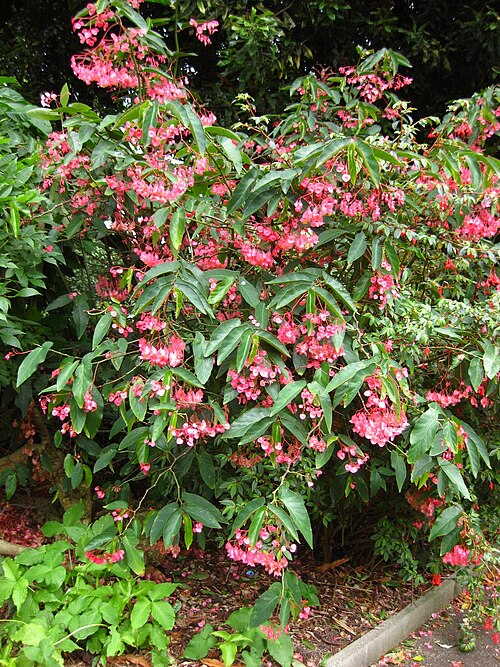
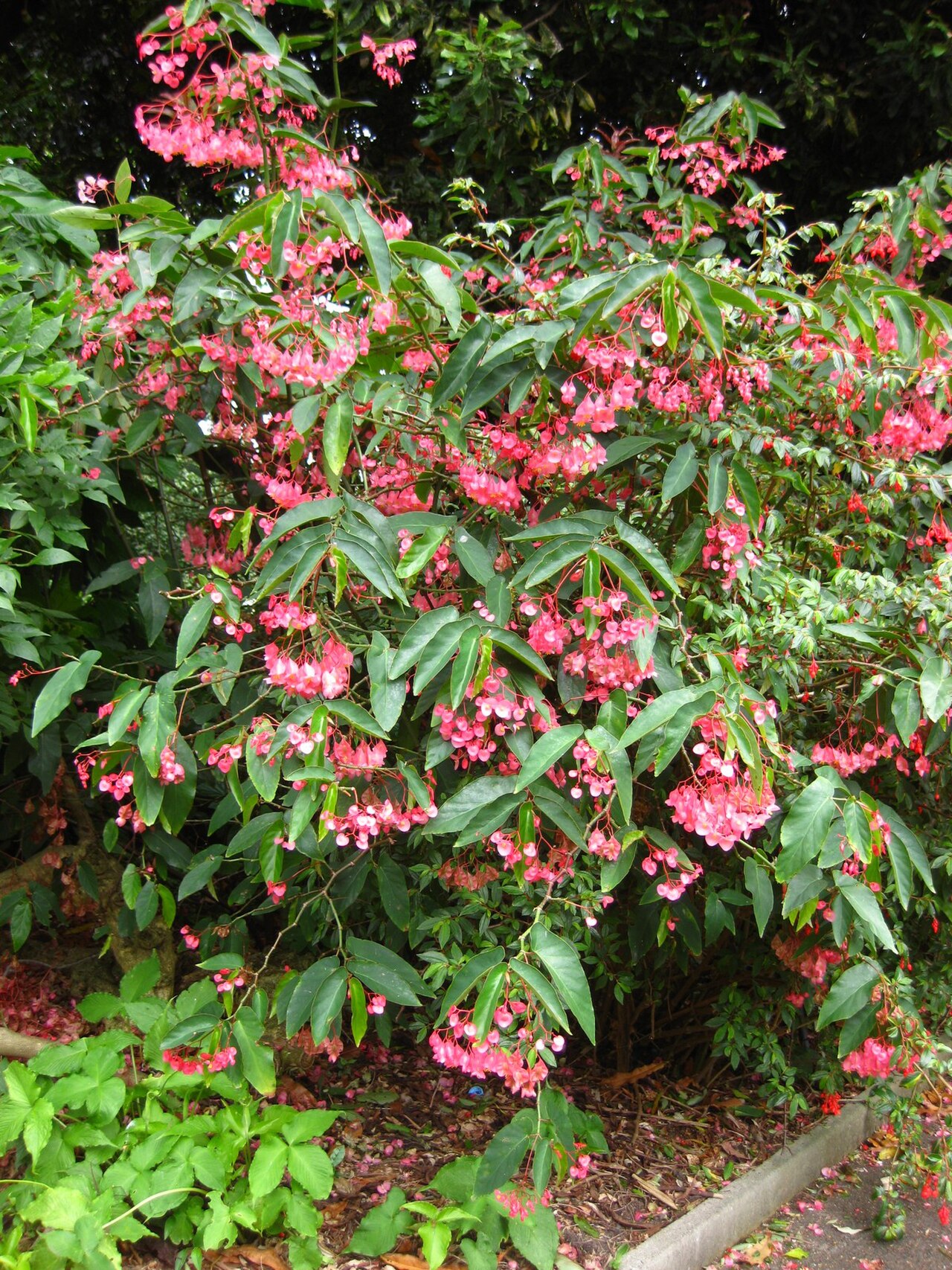
—observations
—countries
—peak records
Not EvaluatedConservation statusIUCN Red List categoriesLCNTVUENCREWEXNot Evaluated — not placed on the risk ladderRed List categories, explained →
Diet & preyPhotosynthetic autotroph; absorbs water and mineral nutrients from moist, humus-rich soil
Predators
- Slugs
- Snails
- Mealybugs
ThreatsHabitat loss and fragmentation in the Atlantic Forest, agricultural expansion, and wild collection
HabitatsHumid tropical forest understories, rocky slopes, and shaded stream banks in Brazil's Atlantic Forest
Life spanPerennial, living 5–15 years or more
Classification
- OrderCucurbitales
- FamilyBegoniaceae
- GenusBegonia
- SpeciesBegonia coccinea
Range data is not available yet.
Interaction riskHigh
- Low
- Moderate
- High
- Very high
- Why interaction risk is high
- Sap and foliage contain calcium oxalates that are toxic to dogs and cats if ingested.
- Why it is dangerous
- Tissues contain soluble calcium oxalate crystals that irritate mucous membranes and cause oral burning, excessive drooling, and vomiting in pets.
- How to recognize a risky encounter
- Erect, bamboo-like cane stems carry glossy, asymmetrical wing-shaped leaves with reddish undersides and pendulous clusters of bright scarlet flowers.
- What to do
- Keep plants out of reach of curious pets, and wash hands after pruning if sap contacts skin.
Responsible observation
- Light: Provide bright, indirect light to support scarlet blooms without scorching the foliage.
- Watering: Keep soil evenly moist during active growth, letting the surface dry slightly between waterings.
- Observation: Look beneath the asymmetrical leaves to see the vivid red undersides and dangling flower clusters.
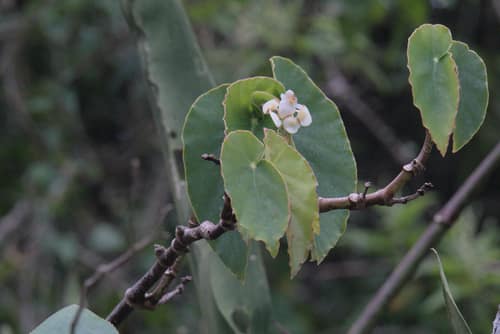
Close Relative (c) filipeprates, some rights reserved (CC BY) · cc-by Image unavailable
Close Relative 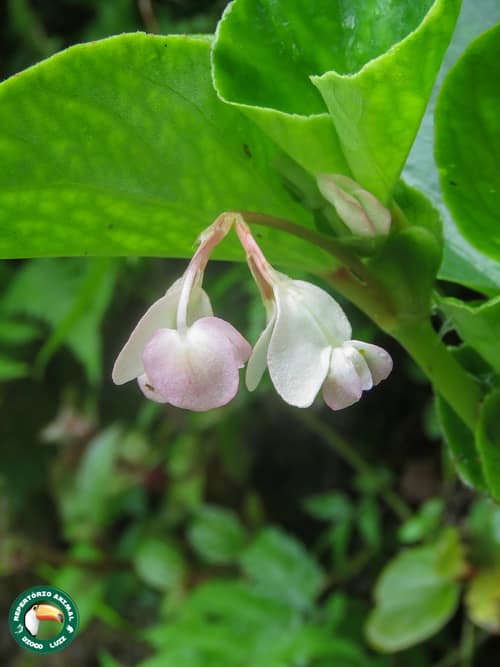
Close Relative (c) Diogo Luiz, some rights reserved (CC BY) · cc-by
Help improve the field guideSomething wrong?
Checking your Fauna account…Report a name, category, or profile issue for review.