
Plant · GBIF taxon 2874700
tamarix ramosissima
tamarix ramosissimaAlso known as Salt Cedar, Tamarisk, Branched Tamarisk, Five-Stamen Tamarisk
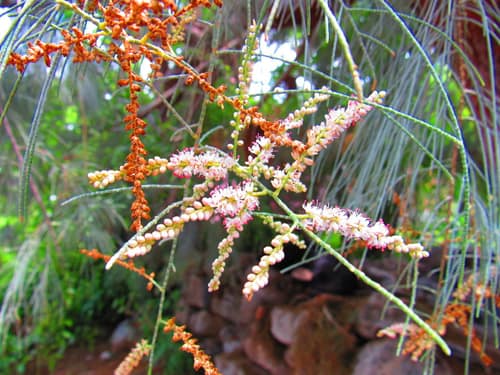
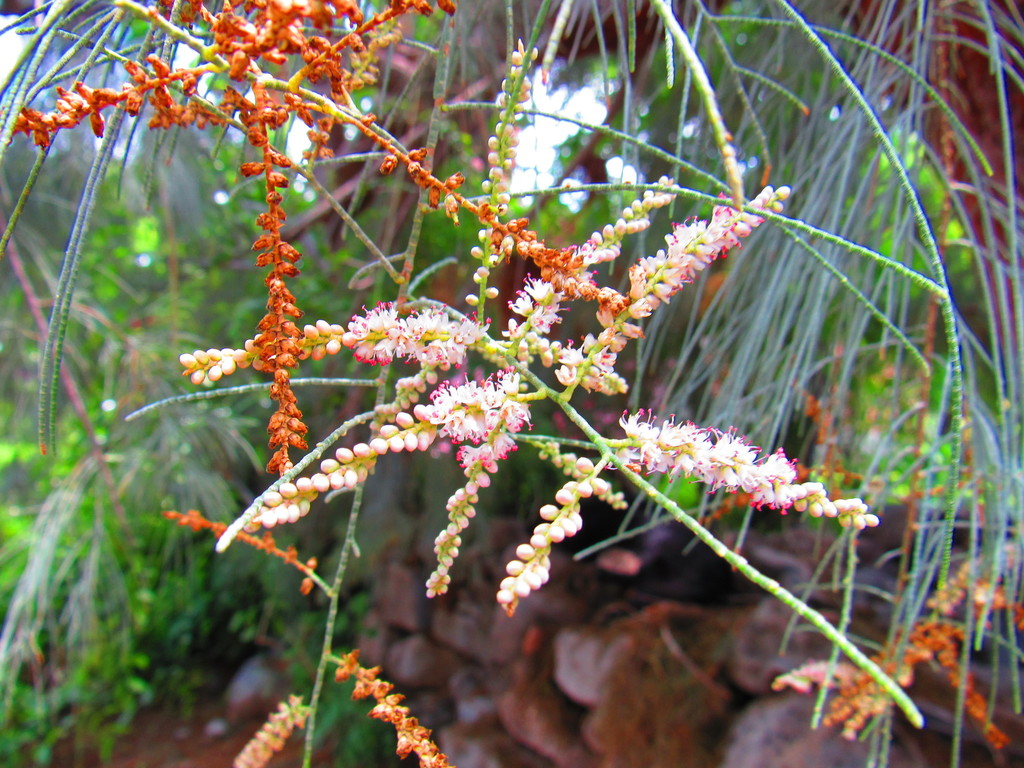
Saltcedar dominates desert riparian corridors with feathery foliage and pale pink flower spikes that bloom throughout spring and summer. Long taproots pull deep groundwater while scale-like leaves exude salt onto the surrounding soil, inhibiting competing native vegetation. Dense thickets consume vast amounts of water and alter natural floodplains across arid landscapes.
InvasiveFloweringDrought-Tolerant
 1 / 7
1 / 7—observations
—countries
—peak records
Least ConcernConservation statusIUCN Red List categoriesLCNTVUENCREWEXLeast ConcernRed List categories, explained →
Diet & prey
- Autotrophic (Photosynthesis)
Predators
- Tamarisk Beetle
- Grazing Livestock
- Beavers
ThreatsBiological control efforts, herbicide treatments, habitat restoration
HabitatsRiparian zones, desert washes, wetlands, disturbed soils
Life span50 to 100 years
Size / weightNot available
Classification
- OrderCaryophyllales
- FamilyTamaricaceae
- GenusTamarix
- Speciestamarix ramosissima
Range data is not available yet.
Interaction riskLow
- Low
- Moderate
- High
- Very high
- Why interaction risk is low
- Safe to observe at a normal distance.
Responsible observation
- Identification: Look for tiny scale-like leaves on reddish twigs with terminal clusters of pale pink flowers.
- Ecology Note: Observe how the ground beneath mature stands often lacks other plant life due to accumulated salt crusts.
- Management: Report unmanaged stands in protected native ecosystems to local invasive species management agencies.
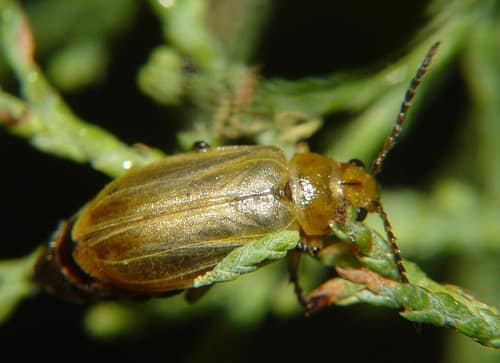
Biological Control USDA/ARS, JamesLTracy / Public domain · cc0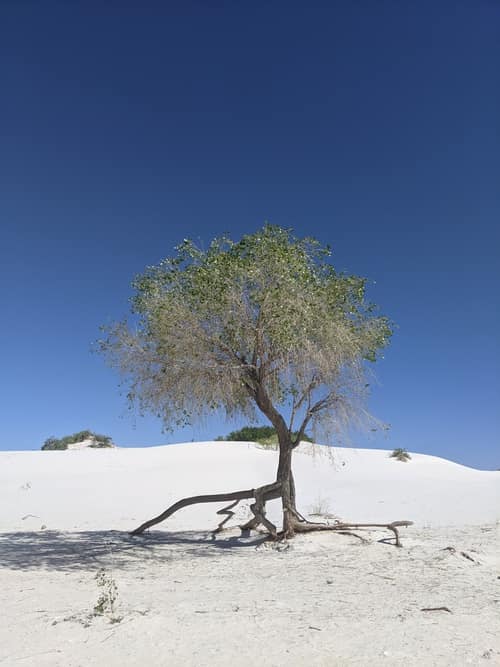
Competitor (c) Daniel Z, some rights reserved (CC BY) · cc-by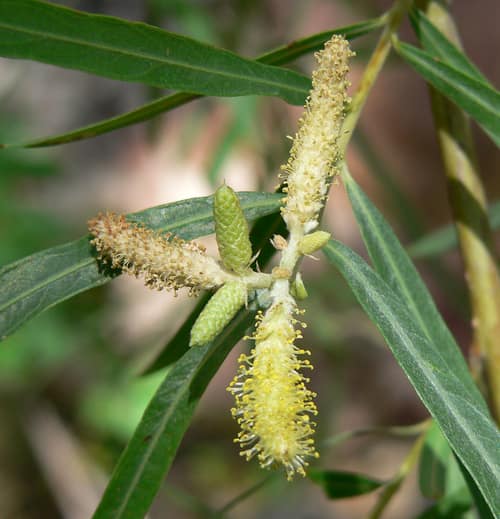
Competitor (c) Stan Shebs, some rights reserved (CC BY-SA) · cc-by-sa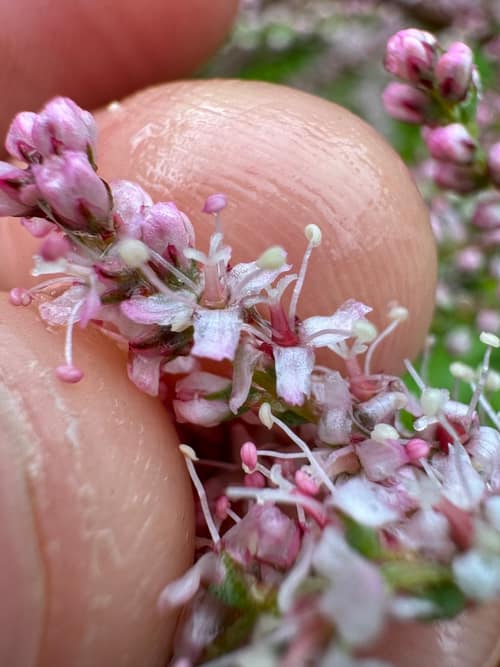
Close Relative (c) Cayman Lanzone, some rights reserved (CC BY), uploaded by Cayman Lanzone · cc-by
Help improve the field guideSomething wrong?
Checking your Fauna account…Report a name, category, or profile issue for review.