
Plant
Calabash
Lagenaria sicerariaAlso known as Bottle Gourd, White-Flowered Gourd, Birdhouse Gourd, Opo Squash
Calabash vines climb vigorously up trees and trellises using branched tendrils, unfurling large soft leaves and striking white flowers that bloom primarily at dusk. Nocturnal moths pollinate the blossoms, giving way to fruits that mature into hard, waterproof shells used historically across human cultures for canteens, instruments, and birdhouses. Originating in tropical Africa, this resilient annual has spread globally through both human trade and oceanic drift of its buoyant seeds.
Climbing VineWhite FlowersTropical
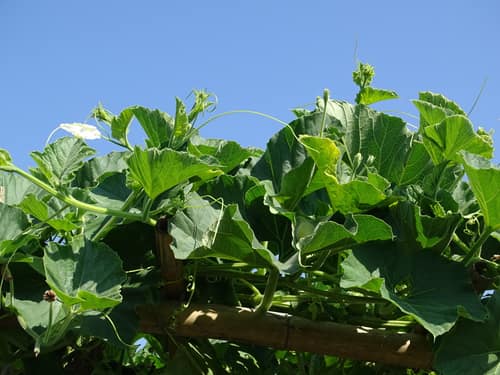
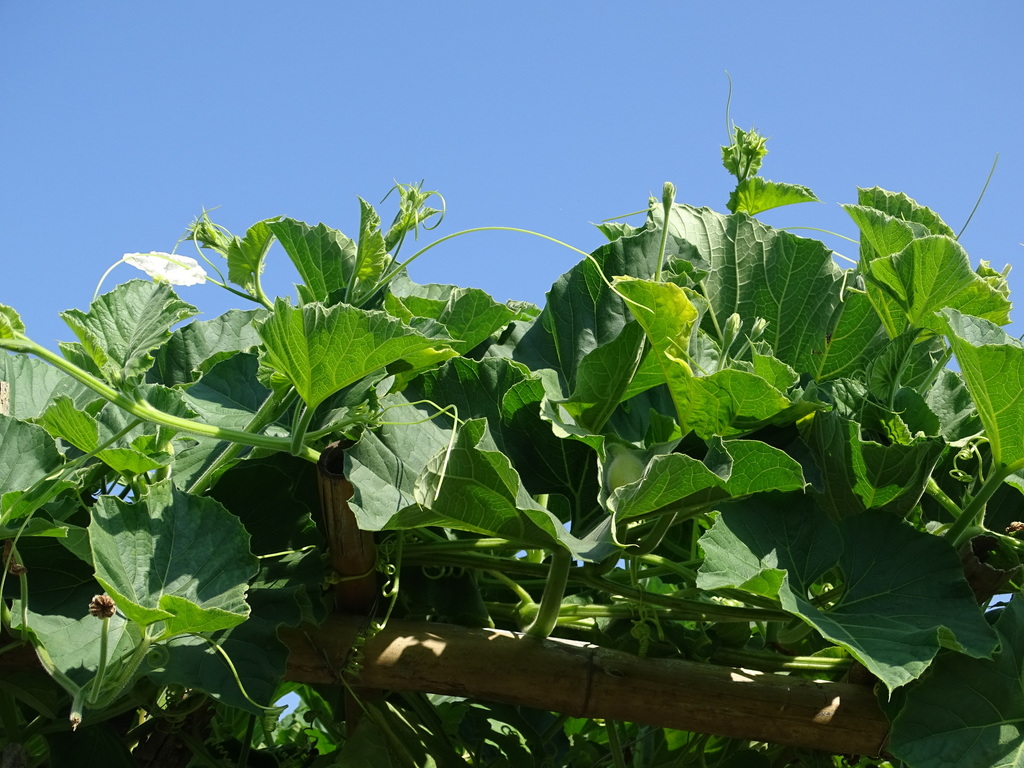
—observations
—countries
—peak records
Not EvaluatedConservation statusIUCN Red List categoriesLCNTVUENCREWEXNot Evaluated — not placed on the risk ladderRed List categories, explained →
Diet & preyAutotrophic (Photosynthetic)
Predators
- Cucumber Beetles
- Aphids
- Spider Mites
ThreatsFungal blights, severe frost, sap-sucking pests
HabitatsTropical agricultural fields, garden plots, riverbanks, disturbed grounds
Life span1 year (Annual vine)
Classification
- OrderCucurbitales
- FamilyCucurbitaceae
- GenusLagenaria
- SpeciesLagenaria siceraria
Range data is not available yet.
Interaction riskLow
- Low
- Moderate
- High
- Very high
- Why interaction risk is low
- Wild gourds can contain toxic compounds; never harvest or ingest uncultivated plants.
Responsible observation
- Garden Placement: Provide a strong trellis or arbor to support the weight of mature hanging gourds.
- Night Flowers: Look for delicate white blossoms opening in the late evening to attract nocturnal pollinators.
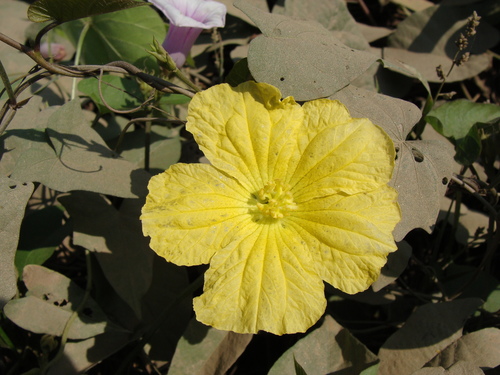
Related Vine (c) Alexis López Hernández, some rights reserved (CC BY), uploaded by Alexis López Hernández · cc-by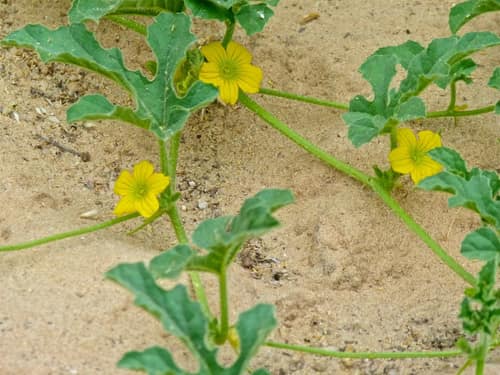
Close Relative (c) Bernard DUPONT, some rights reserved (CC BY-SA) · cc-by-sa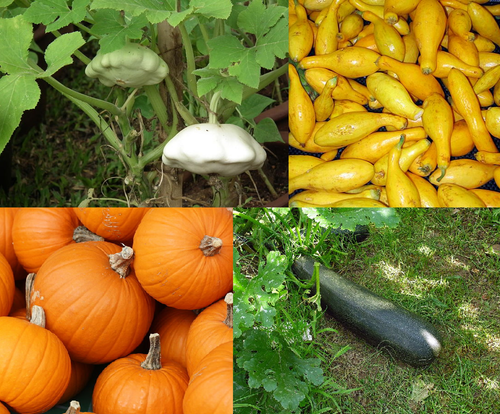
Family Relative Various / CC BY-SA 1.0 · cc-by-sa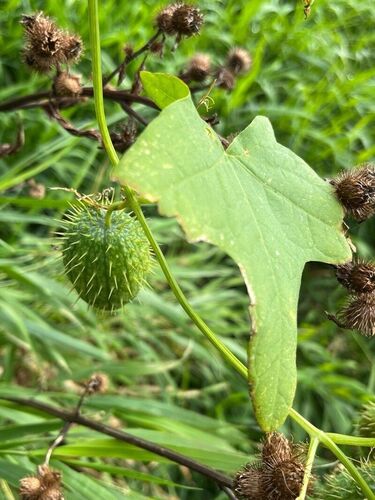
Family Relative (c) Patrice Dupont, some rights reserved (CC BY) · cc-by
Help improve the field guideSomething wrong?
Checking your Fauna account…Report a name, category, or profile issue for review.