Also known as Chinese Okra, Dish Cloth Gourd, Ridged Gourd, Ribbed Loofah
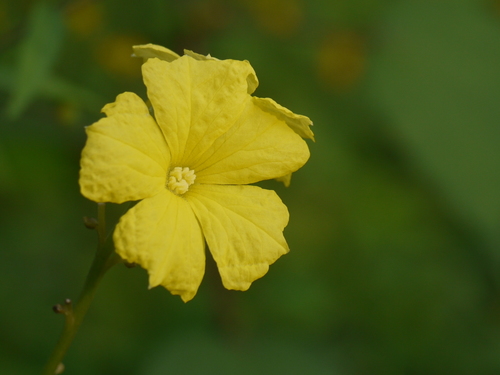
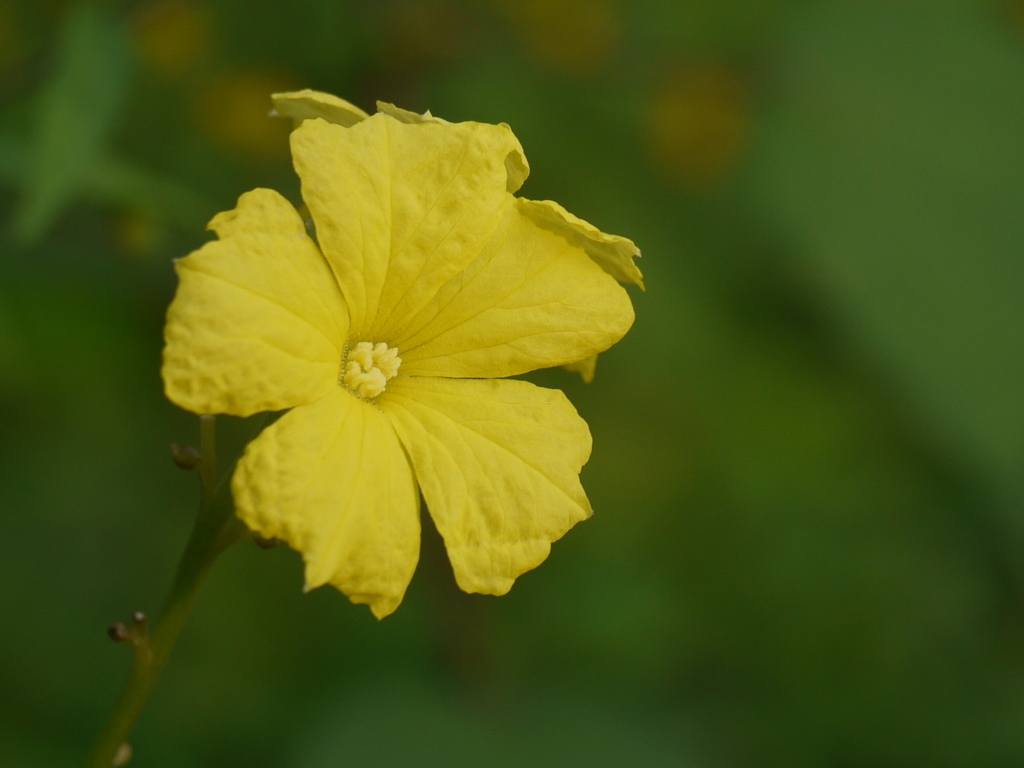
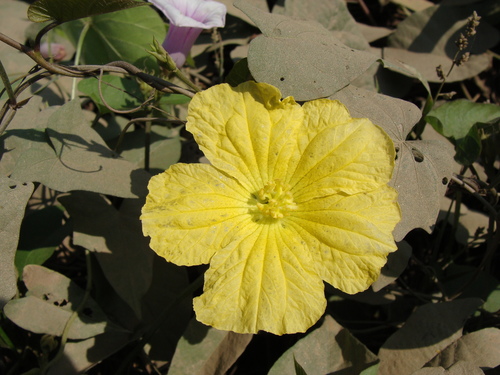
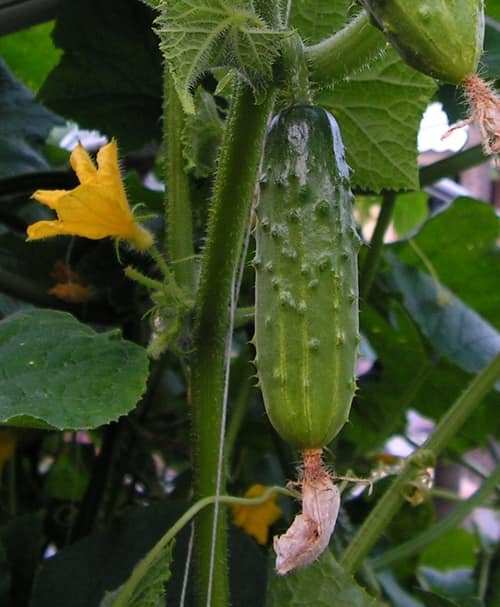
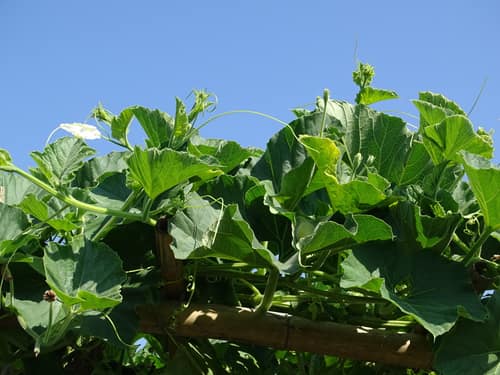
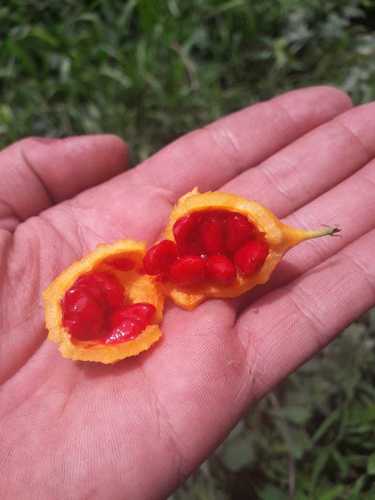
Angled luffa is an annual herbaceous vine that climbs using branched tendrils, bearing showy yellow flowers that open in late afternoon and evening. Distinctive green fruits feature ten prominent sharp longitudinal ridges running down their length. As the fruits mature and dry on the vine, the inner pulp transforms into a tough, fibrous vascular network widely used as a natural scrubbing sponge.
Not EvaluatedConservation statusIUCN Red List categoriesLCNTVUENCREWEXNot Evaluated — not placed on the risk ladderRed List categories, explained →
Key facts
Diet & prey
Sunlight
Soil Nutrients
Water
Predators
Spotted Cucumber Beetle
Melon Fly
Aphids
ThreatsFungal blights, insect pests, extreme cold
HabitatsTropical agriculture, home gardens, disturbed clearings
Life spanAnnual (1 year)
Size / weightNot available
Classification
OrderCucurbitales
FamilyCucurbitaceae
GenusLuffa
SpeciesLuffa acutangula
Range & activity
Range data is not available yet.
Safe observation
Interaction riskHigh
Low
Moderate
High
Very high
Why interaction risk is high
Wild gourds can contain toxic cucurbitacins and have poisonous look-alikes; never eat wild specimens.
Why it is dangerous
Wild or stressed gourds in the cucumber family can synthesize high levels of cucurbitacins, causing severe gastrointestinal cramps, vomiting, and diarrhea if ingested.
How to recognize a risky encounter
Look for distinct sharp longitudinal ridges on long green fruits growing along climbing vines with yellow flowers.
What to do
Avoid eating any wild, volunteer, or bitter gourds, and wash hands after handling unknown plant material.
Responsible observation
Trellis Support: Provide sturdy vertical structures to allow vines to climb and keep heavy fruits off the ground.
Pollinator Observation: Watch for bees and moths visiting the large yellow flowers during cool evening or early morning hours.
Maturation Signs: Observe how green pliable young fruits gradually turn brown, light, and fibrous as they dry.