
Plant
Sponge Gourd
Luffa aegyptiacaAlso known as Egyptian Cucumber, Vietnamese Luffa, Smooth Luffa, Dishcloth Gourd
Sponge gourds climb vigorously using branched tendrils, blanketing fences and tree canopies with lush, deeply lobed foliage and wide yellow blossoms. As the long cylindrical fruit matures on the vine, its fleshy interior dries out to leave behind an intricate skeleton of tough vascular fibers. Widely distributed across warm regions worldwide through human cultivation, the vine readily colonizes damp thickets, riverbanks, and disturbed waste ground.
Climbing VineAnnualFibrous Fruit
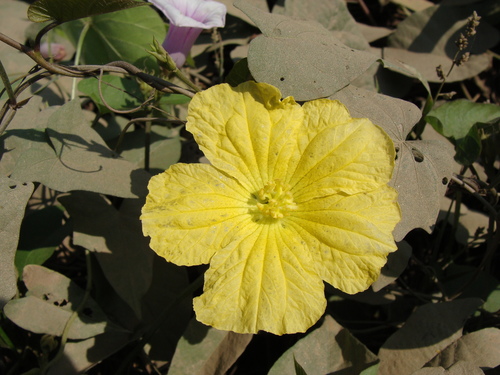
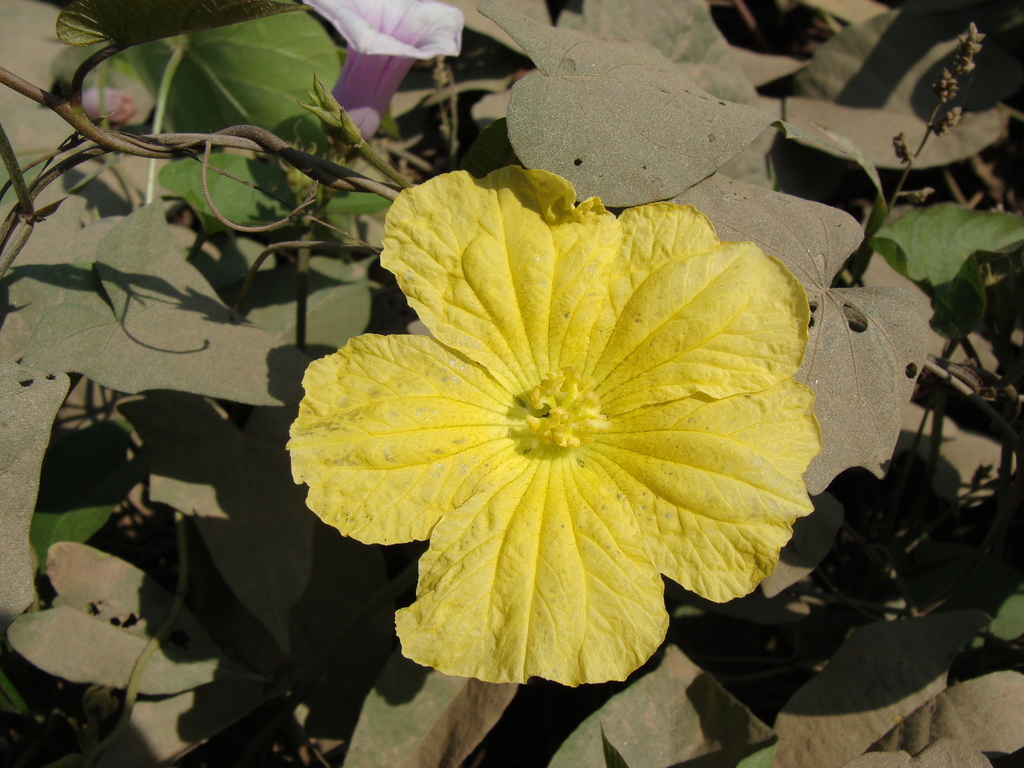
—observations
—countries
—peak records
Least ConcernConservation statusIUCN Red List categoriesLCNTVUENCREWEXLeast ConcernRed List categories, explained →
Diet & preyAutotrophic (photosynthesis)
Predators
- Melon aphid
- Cucumber beetle
- Spider mites
ThreatsHabitat clearing and competition from invasive weeds
HabitatsTropical riverbanks, disturbed borders, forest edges, and cultivated gardens
Life span1 year (annual)
Classification
- OrderCucurbitales
- FamilyCucurbitaceae
- GenusLuffa
- SpeciesLuffa aegyptiaca
Range data is not available yet.
Interaction riskLow
- Low
- Moderate
- High
- Very high
- Why interaction risk is low
- Wild gourds have toxic look-alikes; never eat wild plants based on app identification alone.
Responsible observation
- Trellising: Provide sturdy vertical support such as arbors or fences so the heavy hanging gourds grow straight.
- Harvesting Fibers: Wait until the fruit turns completely brown and lightweight before peeling the skin to reveal the sponge.
- Pollination Observation: Watch for bees visiting the large yellow male and female flowers during early morning hours.
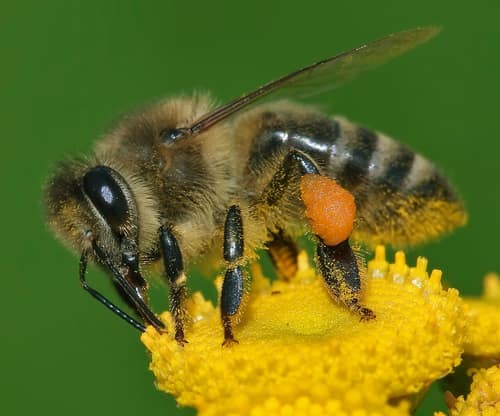
Pollinator Andreas Trepte / CC BY-SA 2.5 · cc-by-sa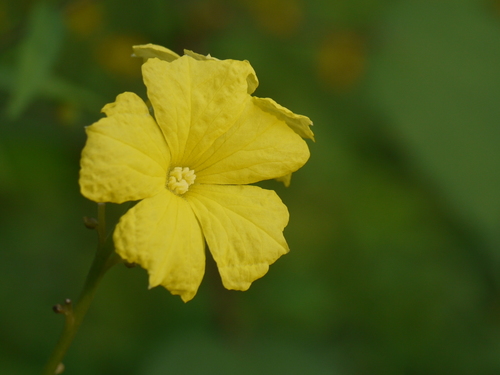
Close Relative (c) Dinesh Valke,保留部份權利CC BY-SA · cc-by-sa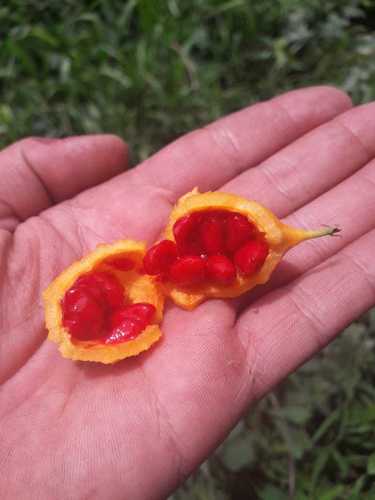
Same Family (c) John P Friel, some rights reserved (CC BY) · cc-by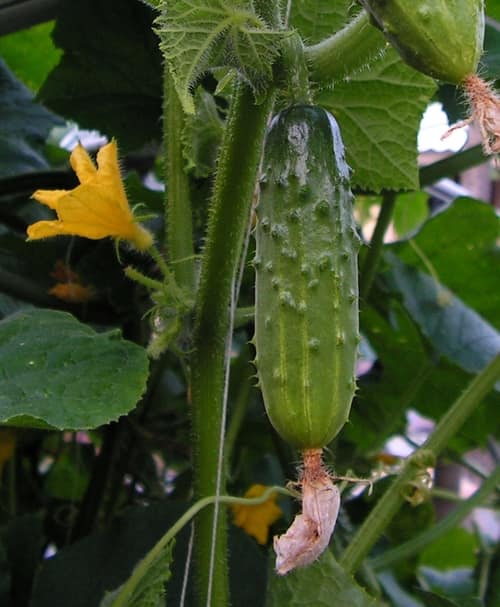
Same Family (c) Bff, some rights reserved (CC BY-SA) · cc-by-sa
Help improve the field guideSomething wrong?
Checking your Fauna account…Report a name, category, or profile issue for review.