
Plant · GBIF taxon 2874570
Muskmelon
Cucumis meloAlso known as Cantaloupe, Sweet Melon, Honeydew Melon, Persian Melon
Trailing hairy vines produce bright yellow blossoms that rely heavily on bees for cross pollination. The resulting fruits vary widely from netted cantaloupes to smooth honeydews, each forming a thick rind around aromatic flesh and a central cluster of seeds. Native to warm regions of Africa and Asia, this sun loving annual crop is now cultivated in warm temperate and tropical zones worldwide.
Trailing VineAnnualFruiting
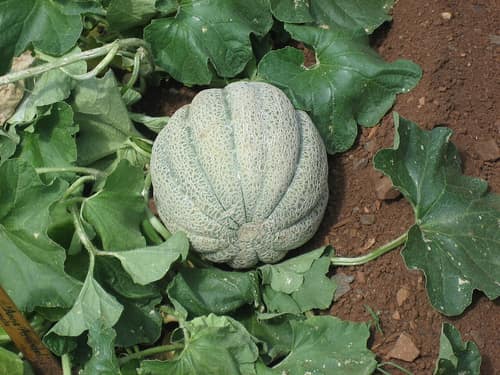
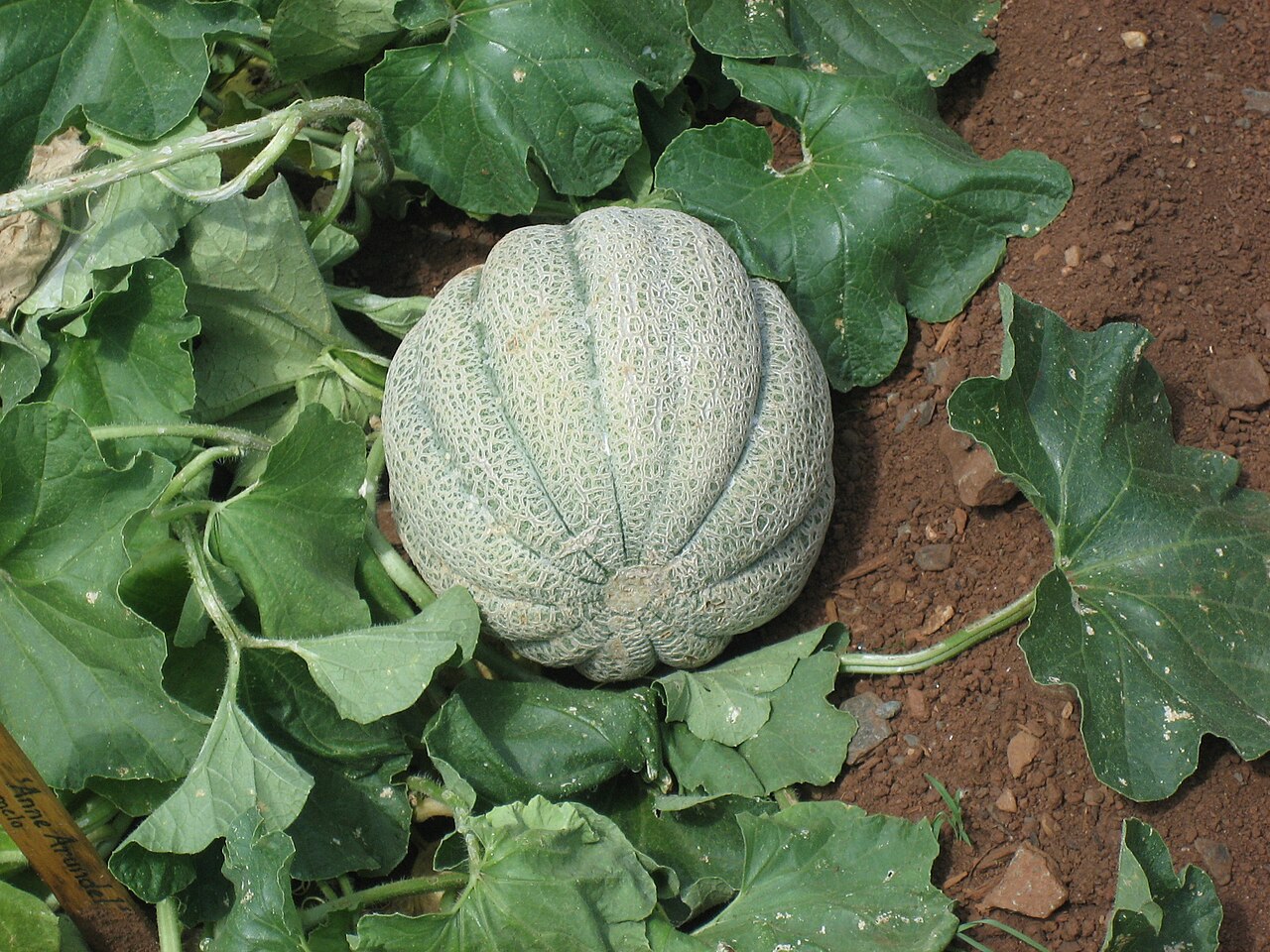
—observations
—countries
—peak records
Not EvaluatedConservation statusIUCN Red List categoriesLCNTVUENCREWEXNot Evaluated — not placed on the risk ladderRed List categories, explained →
Diet & prey
- Sunlight
- Water
- Soil nutrients
Predators
- Cucumber beetles
- Aphids
- Spider mites
ThreatsPowdery mildew, cucumber beetles, late spring frosts
HabitatsAgricultural fields, vegetable gardens, warm sunny plains
Life span3–5 months
Classification
- OrderCucurbitales
- FamilyCucurbitaceae
- GenusCucumis
- SpeciesCucumis melo
Range data is not available yet.
Interaction riskLow
- Low
- Moderate
- High
- Very high
- Why interaction risk is low
- Safe to observe at a normal distance.
Responsible observation
- Growth habits: Allow vines space to spread or support them with a sturdy trellis.
- Harvest timing: Look for a rich fragrance and a clean slip where the fruit joins the vine.
- Pollination care: Keep flowering areas pesticide free so bees can effectively set fruit.
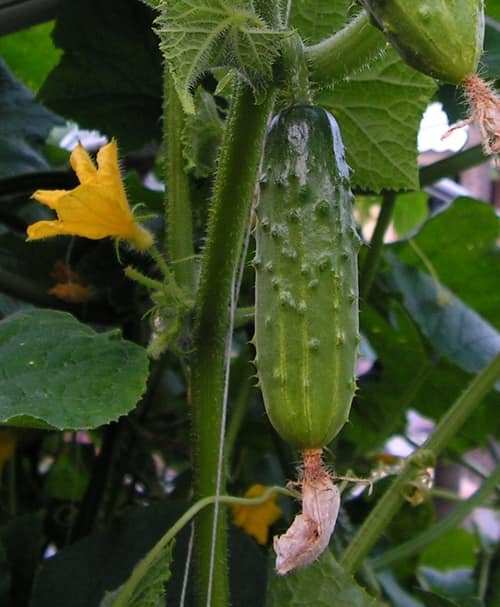
Close Relative (c) Bff, some rights reserved (CC BY-SA) · cc-by-sa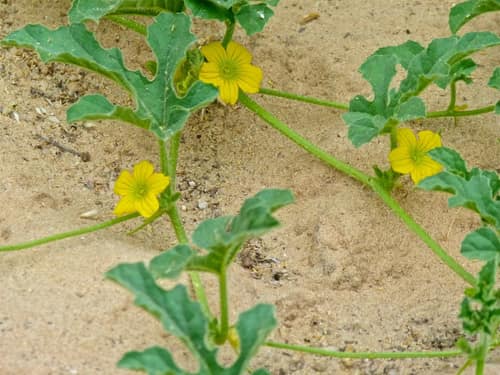
Family Member (c) Bernard DUPONT, some rights reserved (CC BY-SA) · cc-by-sa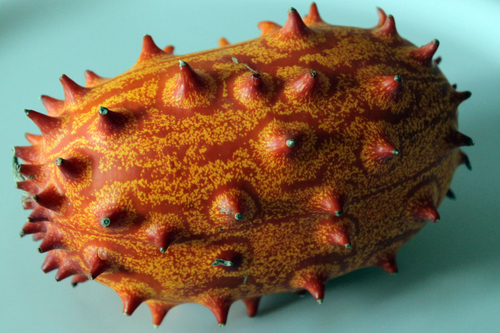
Close Relative (c) Anagoria, some rights reserved (CC BY) · cc-by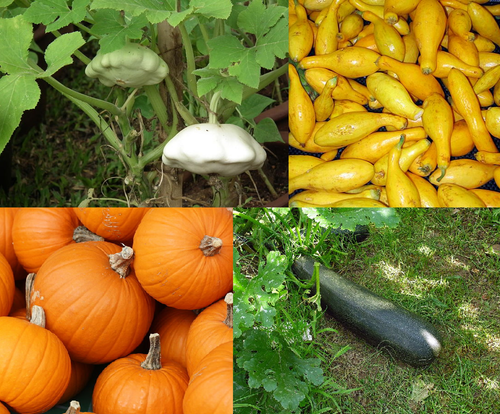
Family Member Various / CC BY-SA 1.0 · cc-by-sa
Help improve the field guideSomething wrong?
Checking your Fauna account…Report a name, category, or profile issue for review.