
Plant
Cucumber
Cucumis sativusAlso known as Garden Cucumber
Cucumber vines sprawl across warm ground or climb trellises using delicate, coiled tendrils that wind around nearby supports. Bright yellow, unisexual blossoms line the bristly stems, requiring insect visitors to transfer pollen from male to female flowers to initiate fruit development. Originally native to South Asia, this fast-growing annual has been cultivated for over 3,000 years and is now grown worldwide for its crisp, moisture-rich fruits.
ClimbingFloweringCultivated
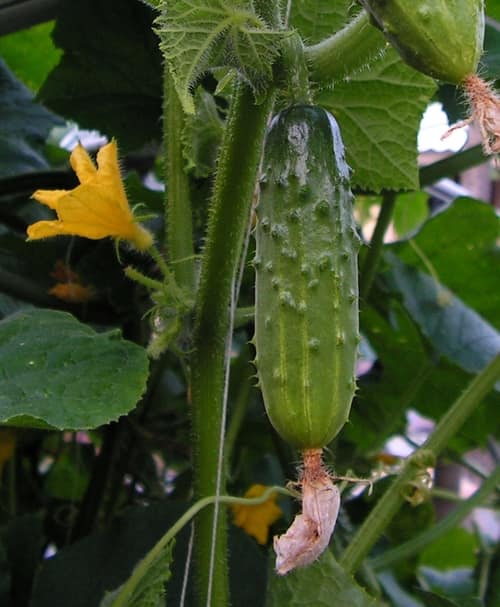
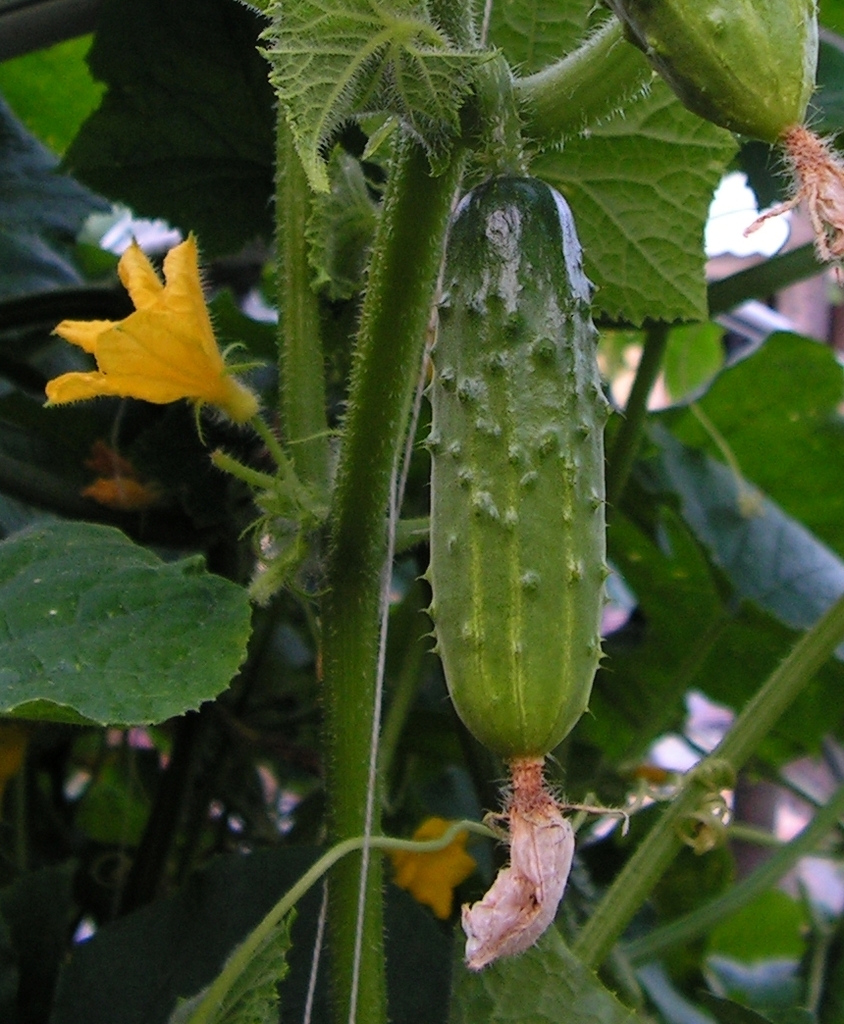
—observations
—countries
—peak records
Not EvaluatedConservation statusIUCN Red List categoriesLCNTVUENCREWEXNot Evaluated — not placed on the risk ladderRed List categories, explained →
Diet & preyPhotosynthetic
Predators
- Striped Cucumber Beetle
- Two-Spotted Spider Mite
- Cotton Aphid
ThreatsPowdery mildew, downy mildew, and cucumber mosaic virus
HabitatsCultivated gardens, agricultural fields, and greenhouses
Life spanAnnual (4–6 months)
Classification
- OrderCucurbitales
- FamilyCucurbitaceae
- GenusCucumis
- SpeciesCucumis sativus
Range data is not available yet.
Interaction riskLow
- Low
- Moderate
- High
- Very high
- Why interaction risk is low
- Safe to observe and handle at a normal distance.
Responsible observation
- Pollination Support: Plant flowering companions nearby to attract bees needed for reliable fruit set.
- Trellising: Guide growing vines onto vertical trellises to enhance airflow and prevent ground rot.
- Harvesting: Snip mature fruits cleanly with garden shears rather than yanking the fragile vines.
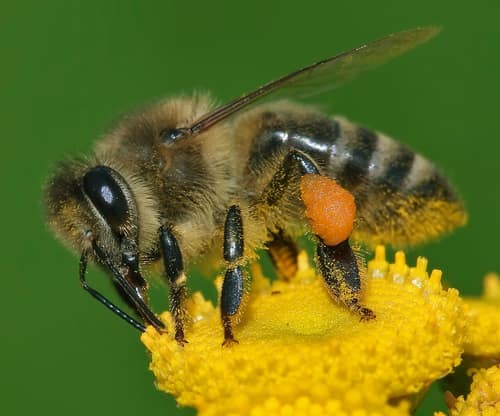
Pollinator Andreas Trepte / CC BY-SA 2.5 · cc-by-sa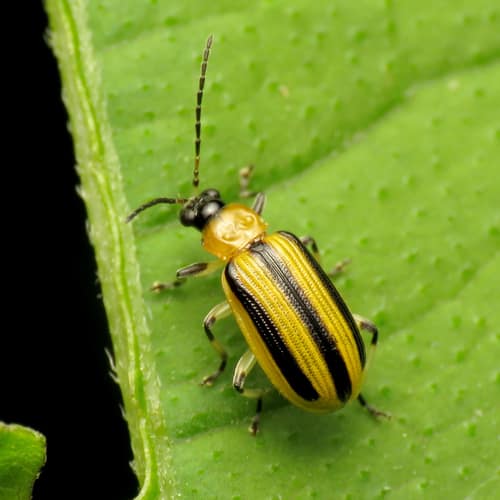
Herbivore (c) Katja Schulz, some rights reserved (CC BY) · cc-by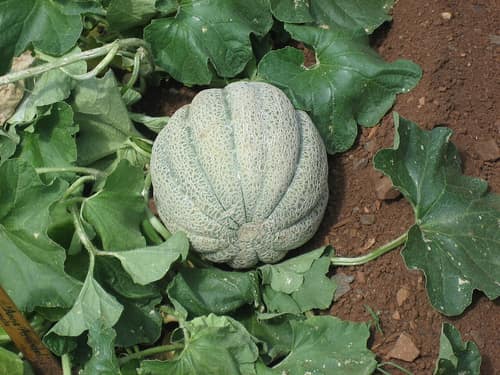
Close Relative Seth Vidal / CC BY-SA 2.0 · cc-by-sa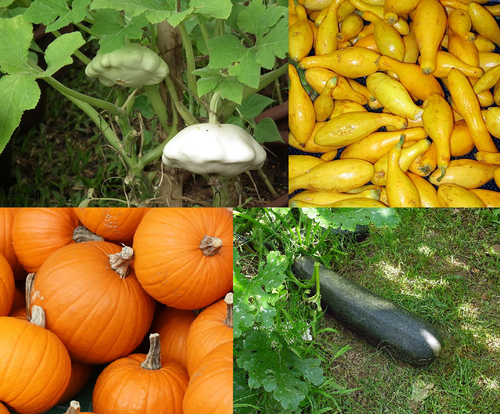
Same Family Various / CC BY-SA 1.0 · cc-by-sa
Help improve the field guideSomething wrong?
Checking your Fauna account…Report a name, category, or profile issue for review.