
Plant · GBIF taxon 2874515
Winter Squash
Cucurbita maximaAlso known as Hubbard Squash, Kabocha, Buttercup Squash, Giant Pumpkin
Winter squash produces sprawling trailing vines equipped with large lobed leaves and broad golden blossoms that open during early morning hours. After pollination, the plant matures heavy fruit characterized by thick, durable rinds and dense, nutrient-rich flesh adapted for long shelf life through cold seasons. Domesticated thousands of years ago in South America, it now encompasses an incredible diversity of shapes, sizes, and colors across global agricultural landscapes.
CultivatedFloweringVine
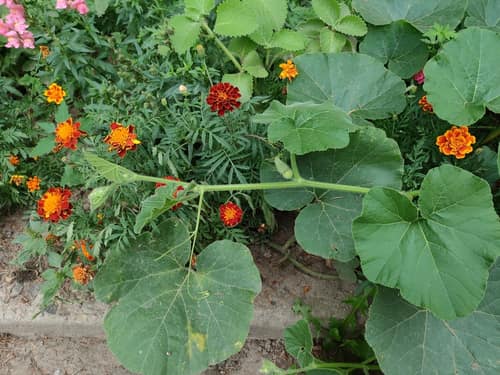
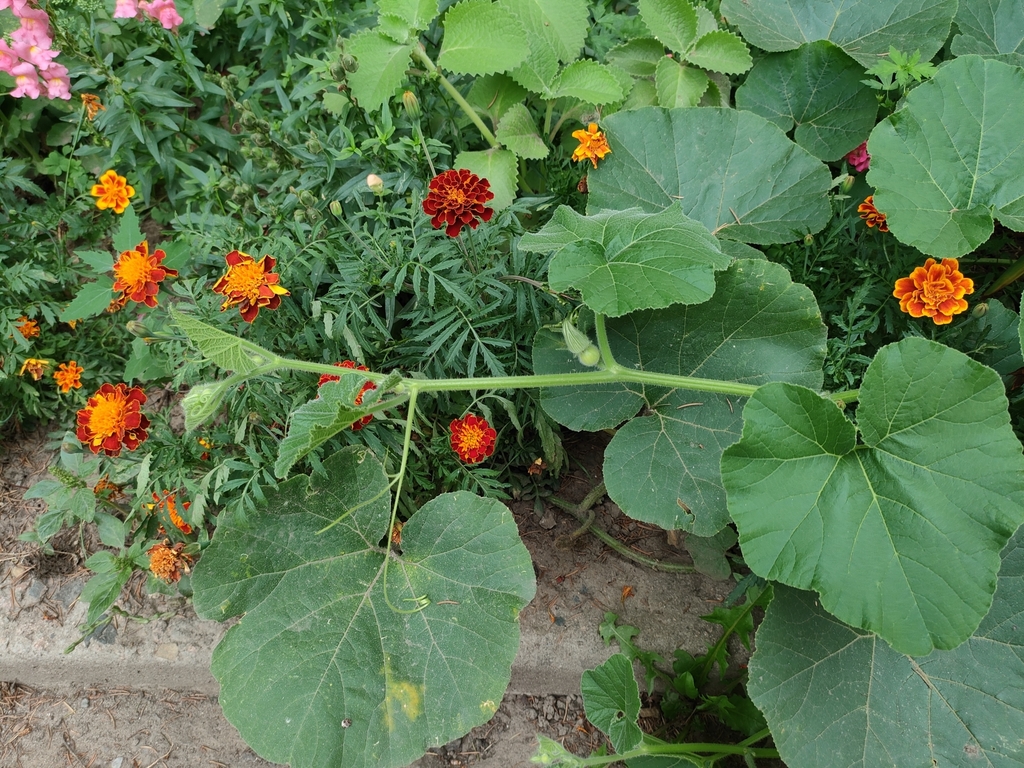 1 / 7
1 / 7—observations
—countries
—peak records
Not EvaluatedConservation statusIUCN Red List categoriesLCNTVUENCREWEXNot Evaluated — not placed on the risk ladderRed List categories, explained →
Diet & prey
- Autotrophic (Photosynthetic)
Predators
- Squash Bug
- Squash Vine Borer
- Striped Cucumber Beetle
ThreatsSquash bugs, powdery mildew, vine borers, frost
HabitatsAgricultural fields, cultivated gardens, river valleys
Life span1 year (Annual)
Size / weightNot available
Classification
- FamilyCucurbitaceae
- SpeciesCucurbita maxima
Range data is not available yet.
Interaction riskLow
- Low
- Moderate
- High
- Very high
- Why interaction risk is low
- Safe to observe at a normal distance.
Responsible observation
- Morning Observation: Inspect the broad yellow flowers early in the day when blossoms open fully to attract pollinators.
- Foliage Inspection: Look beneath large leaves to spot squash bug eggs or cucumber beetles feeding on sap.
- Harvest Signs: Check for hard rinds and withered stems indicating the squash is mature and ready for curing.
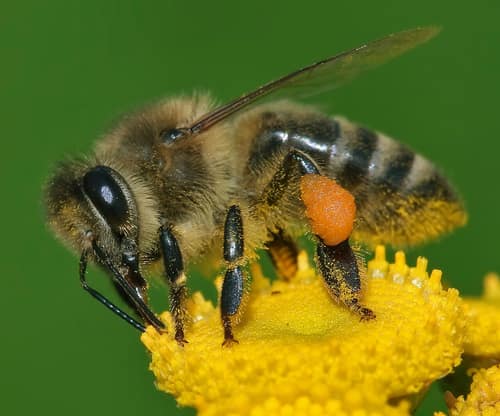
Pollinator Andreas Trepte / CC BY-SA 2.5 · cc-by-sa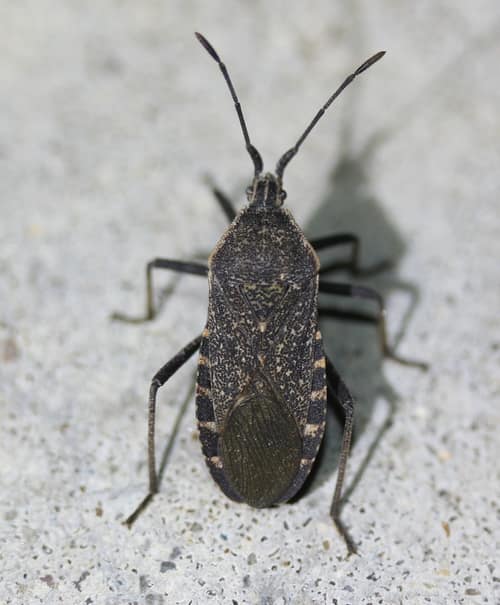
Herbivore (c) Even Dankowicz, some rights reserved (CC BY), uploaded by Even Dankowicz · cc-by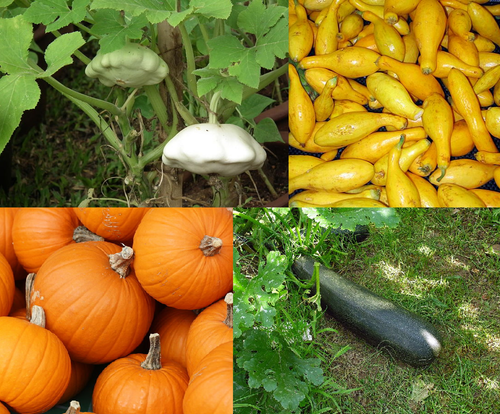
Close Relative Various / CC BY-SA 1.0 · cc-by-sa
Close Relative (c) Pablo Cauã da Silva Toledo, some rights reserved (CC BY), uploaded by Pablo Cauã da Silva Toledo · cc-by
Help improve the field guideSomething wrong?
Checking your Fauna account…Report a name, category, or profile issue for review.