
Plant · GBIF taxon 2874190
Common Passionfruit
Passiflora edulisAlso known as Purple Passionfruit, Yellow Passionfruit, Maracuya
Vigorous tendril-bearing vines climb high into forest canopies using fine woody tendrils. Intricate flowers feature broad white petals topped with a dense ring of purple and white thread-like filaments that attract native pollinators. Wildlife disperses the hard-shelled fruits, while caterpillars of heliconian butterflies rely heavily on the leaves for food.
Climbing VineShowy BloomSubtropical
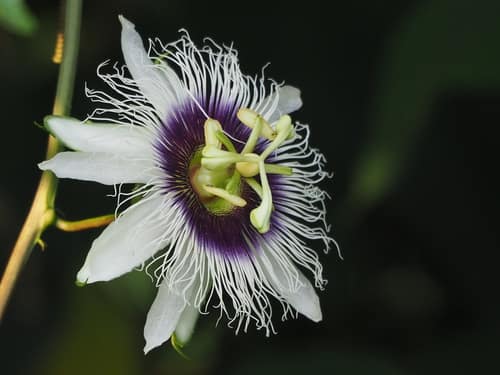
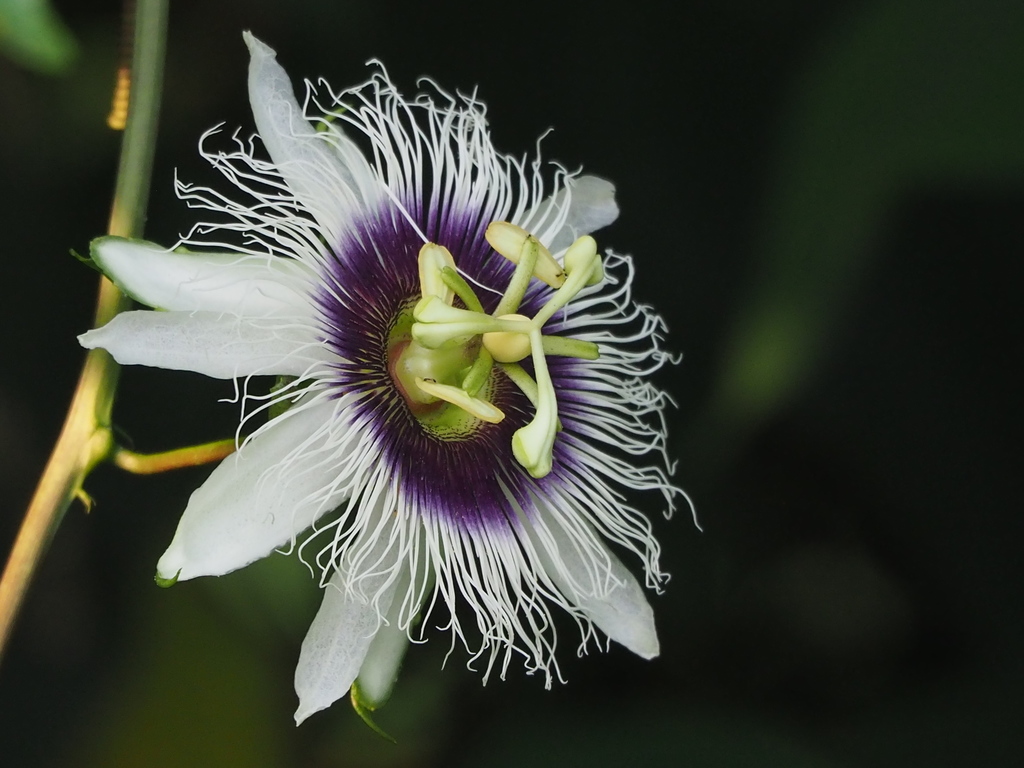
—observations
—countries
—peak records
Not EvaluatedConservation statusIUCN Red List categoriesLCNTVUENCREWEXNot Evaluated — not placed on the risk ladderRed List categories, explained →
Diet & prey
- Autotrophic (Photosynthetic)
Predators
- Gulf Fritillary Caterpillars
- Heliconius Butterflies
- Spider Mites
ThreatsHabitat loss in native range, invasive spread in island ecosystems
HabitatsSubtropical forests, forest margins, disturbed scrub, garden trellises
Life span5–10 years
Size / weightNot available
Classification
- OrderMalpighiales
- FamilyPassifloraceae
- GenusPassiflora
- SpeciesPassiflora edulis
Range data is not available yet.
Interaction riskLow
- Low
- Moderate
- High
- Very high
- Why interaction risk is low
- Wild fruits have toxic look-alikes; never eat wild plants based on app identification alone.
Responsible observation
- Observing Blooms: Look for open flowers during warm sunny mornings when pollinators are active.
- Supporting Wildlife: Plant near sturdy trellises to provide shelter for native butterflies and bees.
- Identifying Features: Check for three-lobed leaves with serrated edges and coiling tendrils.
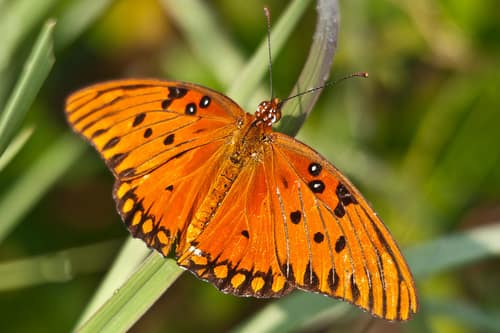
Herbivore Host "Gulf Fritillary butterfly" by USFWS/Southeast is licensed under CC BY 2.0. To view a copy of this license, visit https://creativecommons.org/licenses/by/2.0/. · cc-by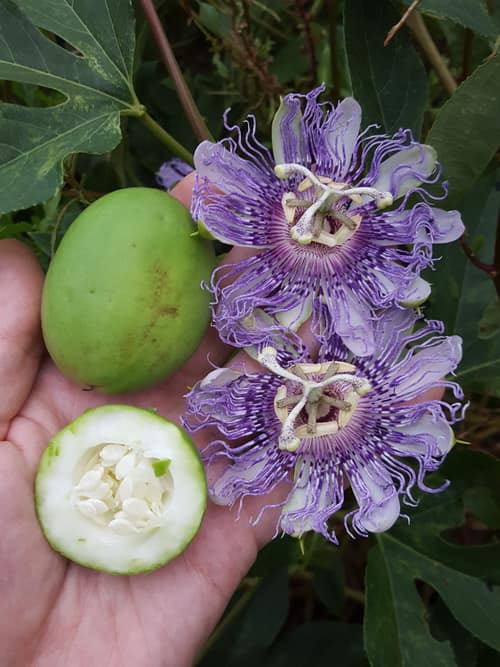
Close Relative (c) Alex Abair, some rights reserved (CC BY), uploaded by Alex Abair · cc-by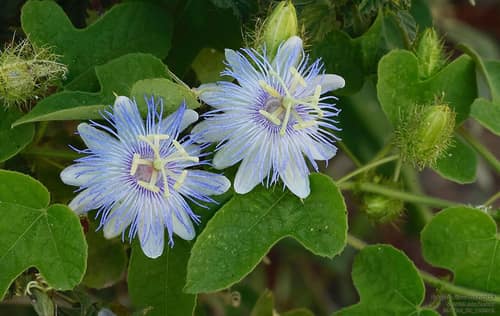
Close Relative John Rosford / CC BY 4.0 · cc-by Image unavailable
Close Relative
Help improve the field guideSomething wrong?
Checking your Fauna account…Report a name, category, or profile issue for review.