
Plant · GBIF taxon 2873947
Canadian Wild Ginger
Asarum canadenseAlso known as Canada Wild Ginger
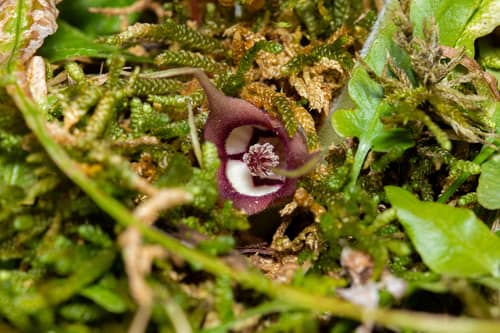
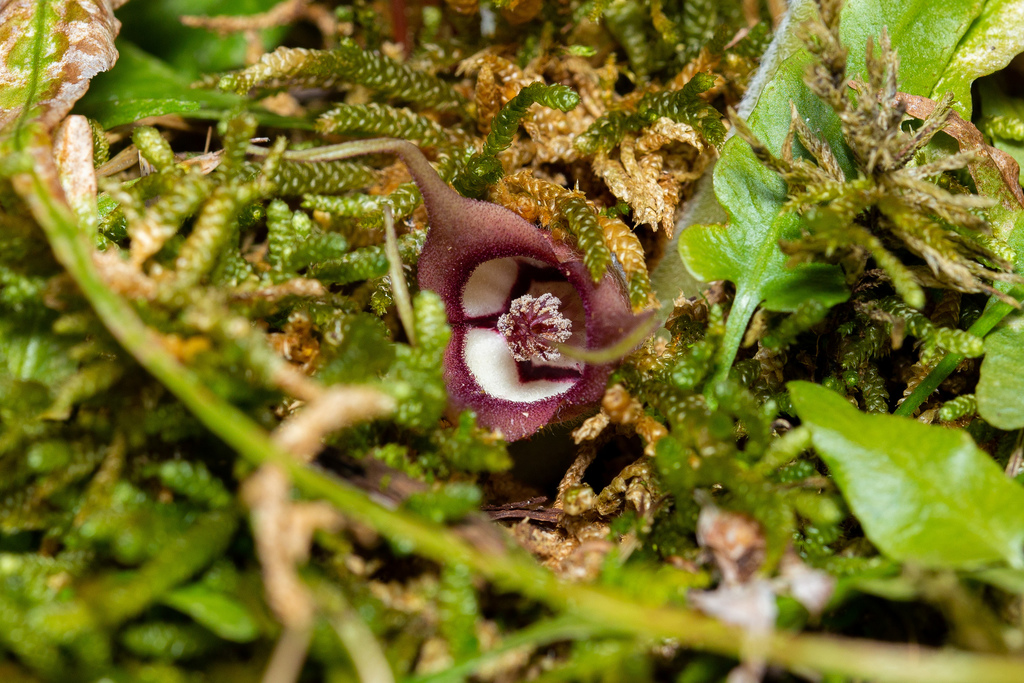
Canadian wild ginger forms low woodland colonies of paired, heart-shaped leaves. A single maroon-brown flower sits close to the ground beneath the foliage, where small flies and beetles can reach it.
Woodland GroundcoverHeart-shaped LeavesSpring Flower
—observations
—countries
—peak records
Not EvaluatedConservation statusIUCN Red List categoriesLCNTVUENCREWEXNot Evaluated — not placed on the risk ladderRed List categories, explained →
Diet & prey
- Photosynthetic; spreading rhizomes obtain moisture and nutrients from rich woodland soil
Predators
- Slugs
- Snails
- Browsing mammals
ThreatsForest clearing, invasive plants, soil compaction, deer browsing, and collection
HabitatsMoist deciduous woods, shaded slopes, floodplain terraces, and rich ravines
Life spanLong-lived perennial; rhizomatous colonies may persist for many years
Size / weightNot available
Classification
- OrderPiperales
- FamilyAristolochiaceae
- GenusAsarum
- SpeciesAsarum canadense
Range data is not available yet.
Interaction riskHigh
- Low
- Moderate
- High
- Very high
- Why interaction risk is high
- Wild ginger contains aristolochic compounds linked to serious organ damage and should not be ingested.
- Why it is dangerous
- Plant tissues can contain aristolochic acids associated with kidney injury and cancer when consumed.
- How to recognize a risky encounter
- Confirm paired heart-shaped leaves and a low three-lobed maroon flower hidden near the soil.
- What to do
- Do not brew, taste, or use wild-collected material medicinally; wash hands after crushing plant tissue.
Responsible observation
- Look: Gently scan beneath leaves without lifting or damaging stems.
- Identify: Find the low maroon flower between two heart-shaped leaves.
- Protect: Avoid stepping into dense clonal patches.
Help improve the field guideSomething wrong?
Checking your Fauna account…Report a name, category, or profile issue for review.