
Plant
Anubias barteri
Anubias barteriAlso known as Broadleaf Anubias, Barter's Anubias
Anubias barteri anchors itself tenaciously to submerged rocks and roots along fast-flowing, heavily shaded forest streams in West Africa. Its thick, leathery foliage and stout rhizome withstand torrential seasonal floods that alternate between complete submersion and semi-terrestrial dampness. The plant regularly produces distinctive arum-type spathes and spadices, relying on chemical defenses like insoluble oxalates to deter foraging herbivores.
AquaticPerennialShade Tolerant
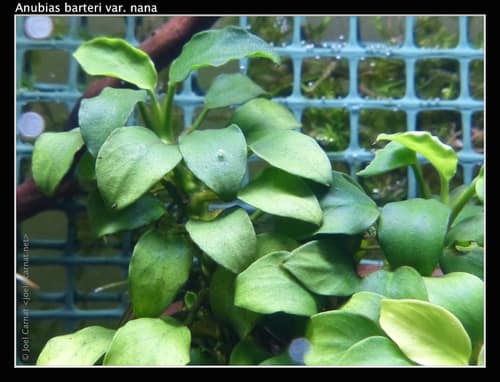
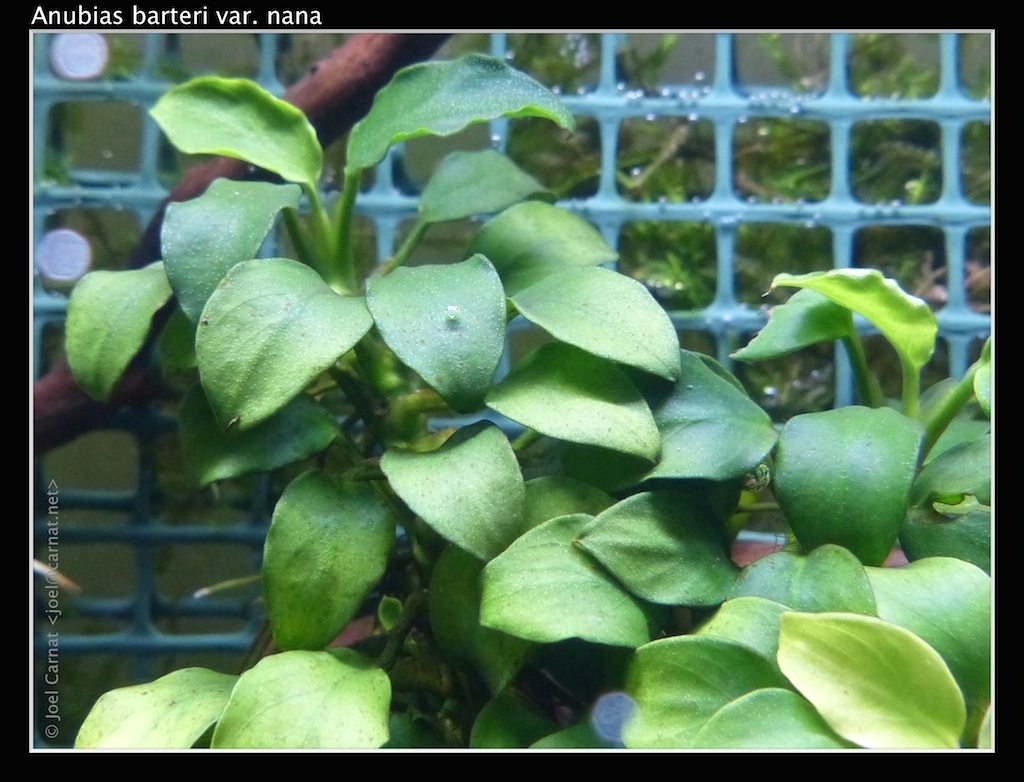
—observations
—countries
—peak records
Least ConcernConservation statusIUCN Red List categoriesLCNTVUENCREWEXLeast ConcernRed List categories, explained →
Diet & preyPhotoautotrophic; absorbs dissolved minerals and carbon dioxide
Predators
- Aquatic snails
- Herbivorous cichlids
- Insect larvae
ThreatsDeforestation, siltation from agricultural runoff, and aquatic habitat degradation
HabitatsTropical rainforest streams, waterfalls, rocky riverbeds, and spray zones
Life spanPerennial (typically 5–15 years or more)
Classification
- OrderAlismatales
- FamilyAraceae
- GenusAnubias
- SpeciesAnubias barteri
Range data is not available yet.
Interaction riskHigh
- Low
- Moderate
- High
- Very high
- Why interaction risk is high
- Contains insoluble calcium oxalates; toxic to dogs and cats if ingested.
- Why it is dangerous
- Plant tissues contain needle-like calcium oxalate raphides that mechanically puncture oral tissues, causing severe mouth pain, swelling, and drooling in pets.
- How to recognize a risky encounter
- Look for glossy, thick, arrow- or heart-shaped leaves extending from a tough, horizontal green rhizome in wet conditions.
- What to do
- Keep domestic pets from chewing the foliage, and rinse hands after pruning damaged stems or rhizomes.
Responsible observation
- Substrate Placement: Fasten the creeping rhizome to rock or wood rather than burying it under silt, which causes rot.
- Lighting Balance: Provide dim, diffused illumination to prevent colonizing algae from coating the slow-growing leaves.
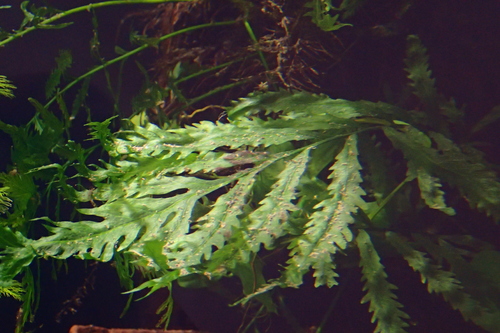
Co-occurring Plant (c) Krzysztof Ziarnek, Kenraiz, some rights reserved (CC BY-SA) · cc-by-sa Image unavailable
Close Relative 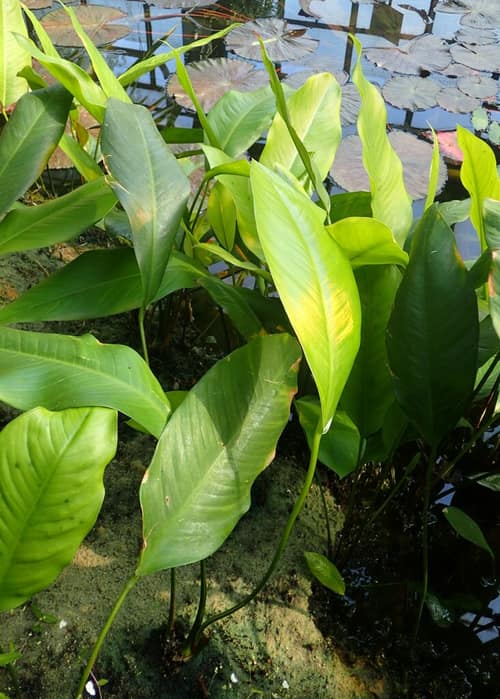
Close Relative (c) Krzysztof Ziarnek, Kenraiz, some rights reserved (CC BY-SA) · cc-by-sa
Help improve the field guideSomething wrong?
Checking your Fauna account…Report a name, category, or profile issue for review.