
Plant · GBIF taxon 2870583
Water Lettuce
Pistia stratiotesAlso known as Water Cabbage, Nile Cabbage, Shellflower
Water lettuce drifts in buoyant, velvety rosettes across calm freshwater bodies, reproducing rapidly via connected stolons to blanket open water in dense green mats. Submerged feathery root systems absorb copious nutrients and offer refuge to small aquatic organisms, while the thick leaf canopy shades out submerged vegetation and depletes dissolved oxygen. Though popular in ornamental ponds and aquariums, escaped populations severely disrupt water transport and provide prime microhabitats for disease-bearing mosquitoes.
AquaticFloatingInvasive
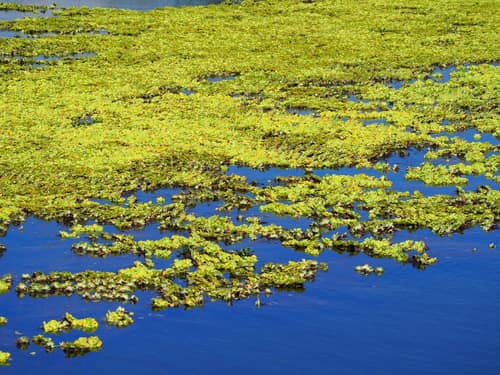
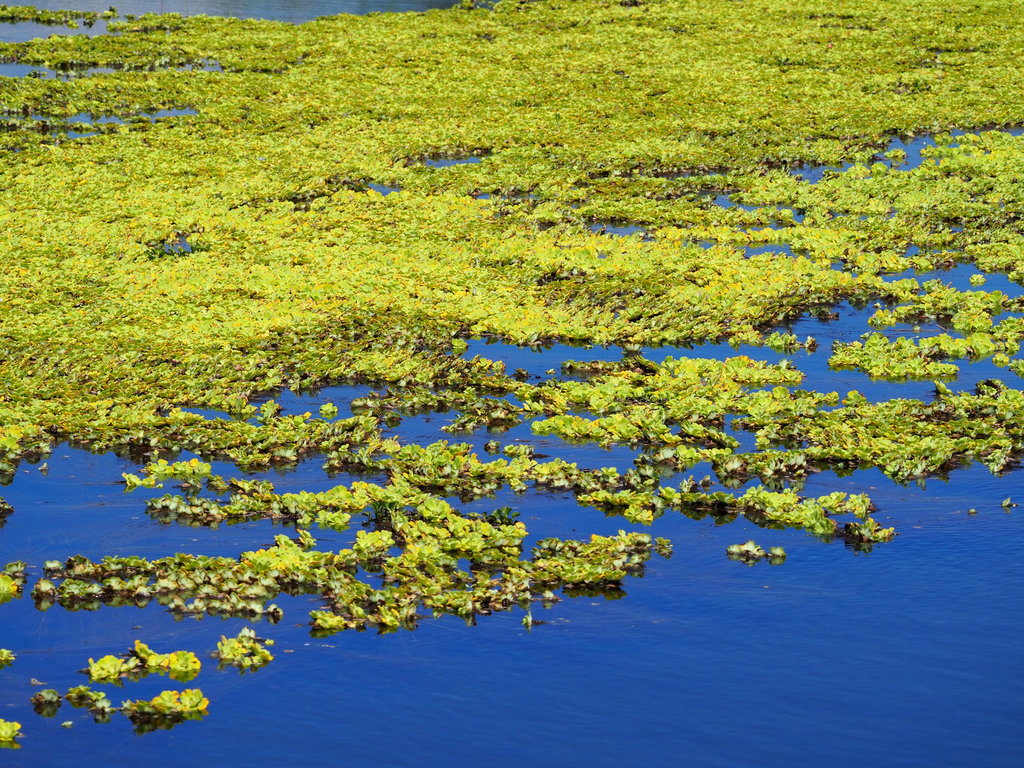
—observations
—countries
—peak records
Least ConcernConservation statusIUCN Red List categoriesLCNTVUENCREWEXLeast ConcernRed List categories, explained →
Diet & prey
- Photoautotrophic, absorbs dissolved aquatic nutrients directly through submerged roots
Predators
- Water Lettuce Weevil
- Apple Snail
- Grass Carp
ThreatsFreezing temperatures, herbicide applications, and biological control weevils
HabitatsSlow-moving rivers, canals, ponds, lakes, marshes, and ditches in tropical and subtropical zones
Life spanPerennial (or annual in regions subject to winter frosts)
Size / weightNot available
Classification
- OrderAlismatales
- FamilyAraceae
- GenusPistia
- SpeciesPistia stratiotes
Range data is not available yet.
Interaction riskHigh
- Low
- Moderate
- High
- Very high
- Why interaction risk is high
- Contains microscopic calcium oxalate crystals; toxic to humans, dogs, and cats if chewed or swallowed.
- Why it is dangerous
- Plant tissues contain insoluble calcium oxalate raphides that pierce oral tissues, causing intense burning, swelling, and digestive distress in pets and humans.
- How to recognize a risky encounter
- Look for stemless, ridged, soft-hairy light green leaves arranged like a head of open lettuce floating freely on water.
- What to do
- Do not taste or ingest; wash hands after clearing large mats and keep away from grazing pets.
Responsible observation
- Disposal Check: Compost or desiccate thinned plants on dry land away from runoff to prevent wild escapes.
- Mosquito Control: Agitate water or stock safe native fish to suppress larvae sheltering among the roots.
- Aquarium Pruning: Thin crowded rosettes regularly to preserve light penetration for underwater flora.
 Image unavailable
Predator 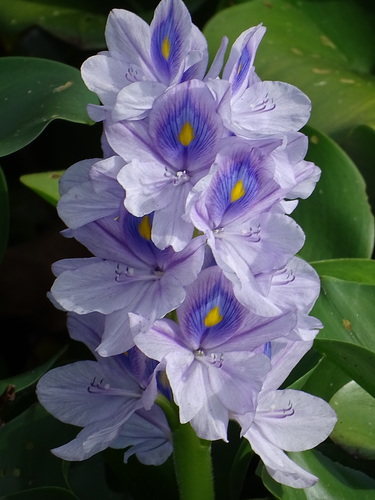
Competitor no rights reserved, uploaded by 葉子 · cc0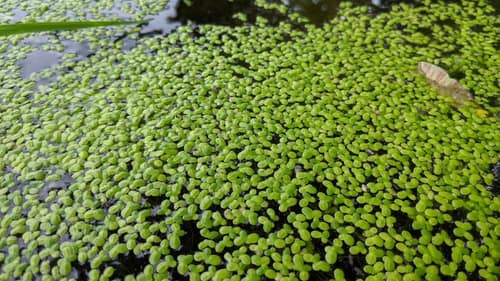
Frequent Companion no rights reserved, uploaded by Philipp · cc0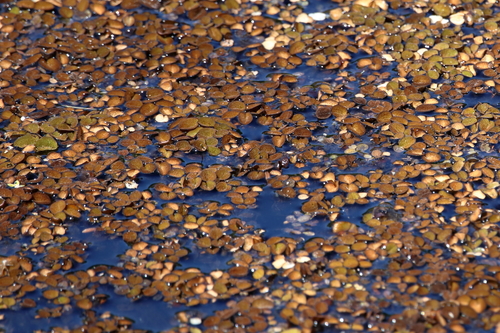
Competitor (c) Lauren McLaurin, some rights reserved (CC BY), uploaded by Lauren McLaurin · cc-by
Help improve the field guideSomething wrong?
Checking your Fauna account…Report a name, category, or profile issue for review.