
Flower
Calla Lily
Zantedeschia aethiopicaAlso known as Arum Lily, Death Lily, Lily of the Nile, White Calla
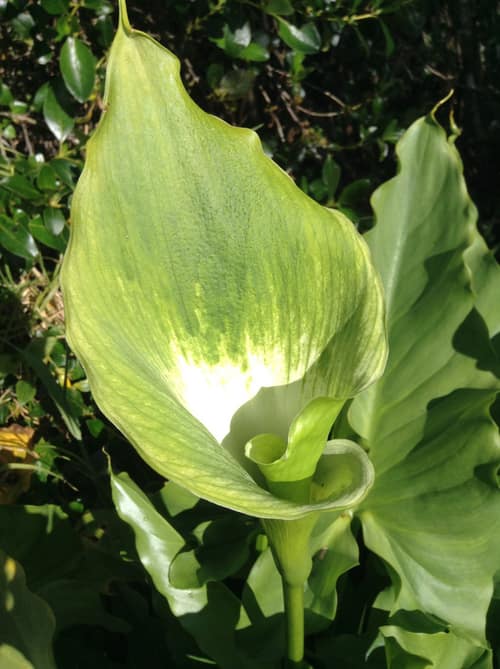
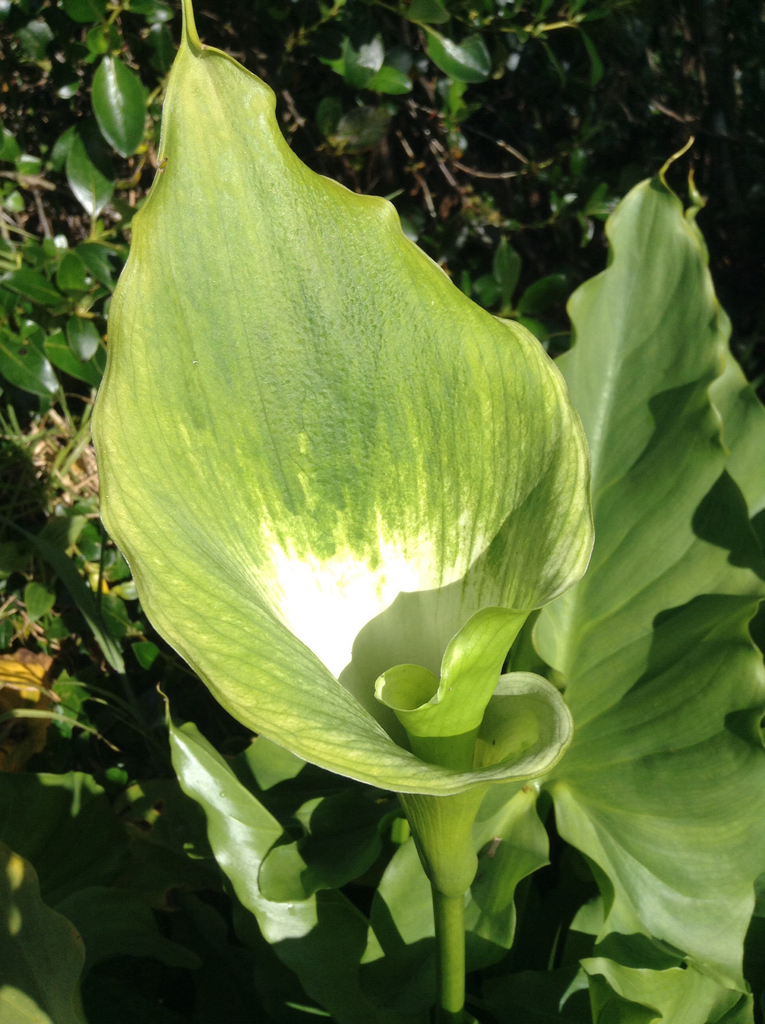
Calla lilies thrive in damp soil and seasonal wetlands, producing striking white, funnel-shaped spathes that shelter a central yellow spadix loaded with tiny flowers. Thick underground rhizomes allow colonies to survive dry seasons and resprout vigorously after winter rains or fires. Widely cultivated as an ornamental, this southern African native has escaped gardens to establish vigorous, dense stands along waterways across Mediterranean climates worldwide.
FloweringPerennialWetland
—observations
—countries
—peak records
Least ConcernConservation statusIUCN Red List categoriesLCNTVUENCREWEXLeast ConcernRed List categories, explained →
Diet & preyPhotoautotrophic
Predators
- Porcupines
- Slugs
- Snails
ThreatsWeed eradication efforts in introduced ranges, wetland drainage
HabitatsMarshes, stream margins, wet pastures, damp coastal scrub
Life spanPerennial (rhizomes can survive decades)
Classification
- OrderAlismatales
- FamilyAraceae
- GenusZantedeschia
- SpeciesZantedeschia aethiopica
Range data is not available yet.
Interaction riskHigh
- Low
- Moderate
- High
- Very high
- Why interaction risk is high
- Chewing any part releases sharp calcium oxalate crystals; toxic to humans, dogs, and cats.
- Why it is dangerous
- All tissues contain microscopic, needle-like calcium oxalate crystals (raphides) that puncture oral tissue, causing intense burning, swelling, and potential airway obstruction.
- How to recognize a risky encounter
- Look for large, glossy arrow-shaped leaves and a solitary white funnel-like spathe wrapping around a bright yellow central spike.
- What to do
- Do not touch broken stems or taste any plant part; wash skin thoroughly with cool water if exposed to the milky sap.
Responsible observation
- Garden safety: Keep potted or planted specimens completely out of reach of curious pets.
- Skin care: Wear gloves when pruning or dividing rhizomes to prevent irritating sap contact.
- Wild observation: Admire blooms in place without picking to prevent sap exposure and weed spread.
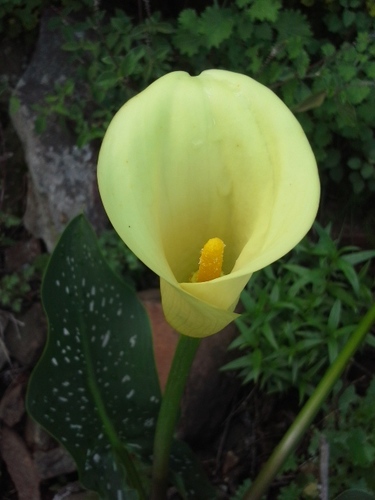
Close Relative no rights reserved · cc0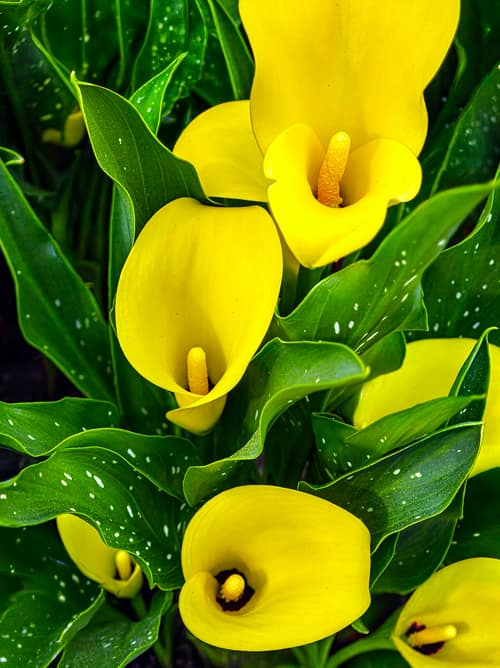
Close Relative Didier Descouens / CC BY-SA 4.0 · cc-by-sa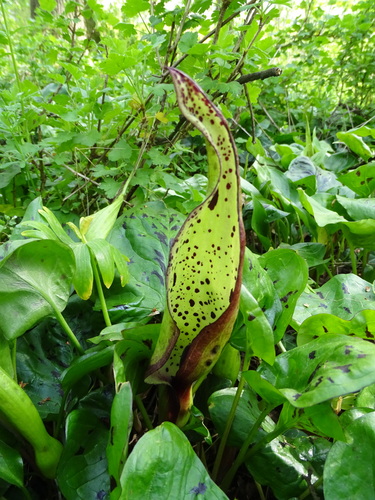
Same Family (c) Grzegorz Grzejszczak, some rights reserved (CC BY-SA), uploaded by Grzegorz Grzejszczak · cc-by-sa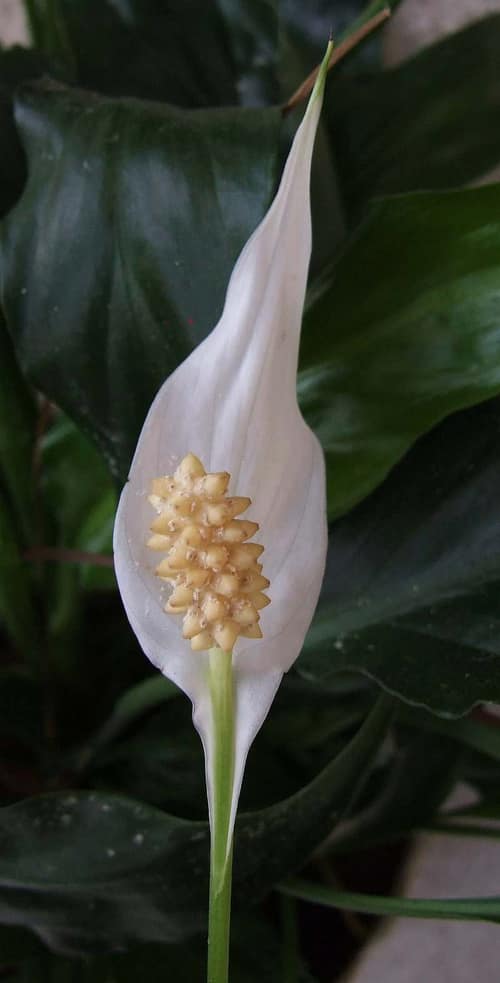
Same Family Jerzy Opioła / CC BY-SA 4.0 · cc-by-sa
Help improve the field guideSomething wrong?
Checking your Fauna account…Report a name, category, or profile issue for review.