
Plant
Arisaema propinquum
Arisaema propinquumAlso known as Wallich's Cobra Lily, Wallach's Cobra Lily
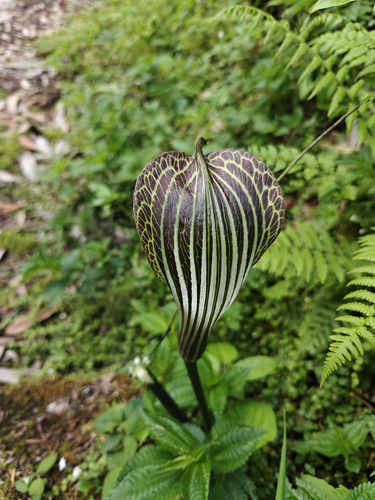
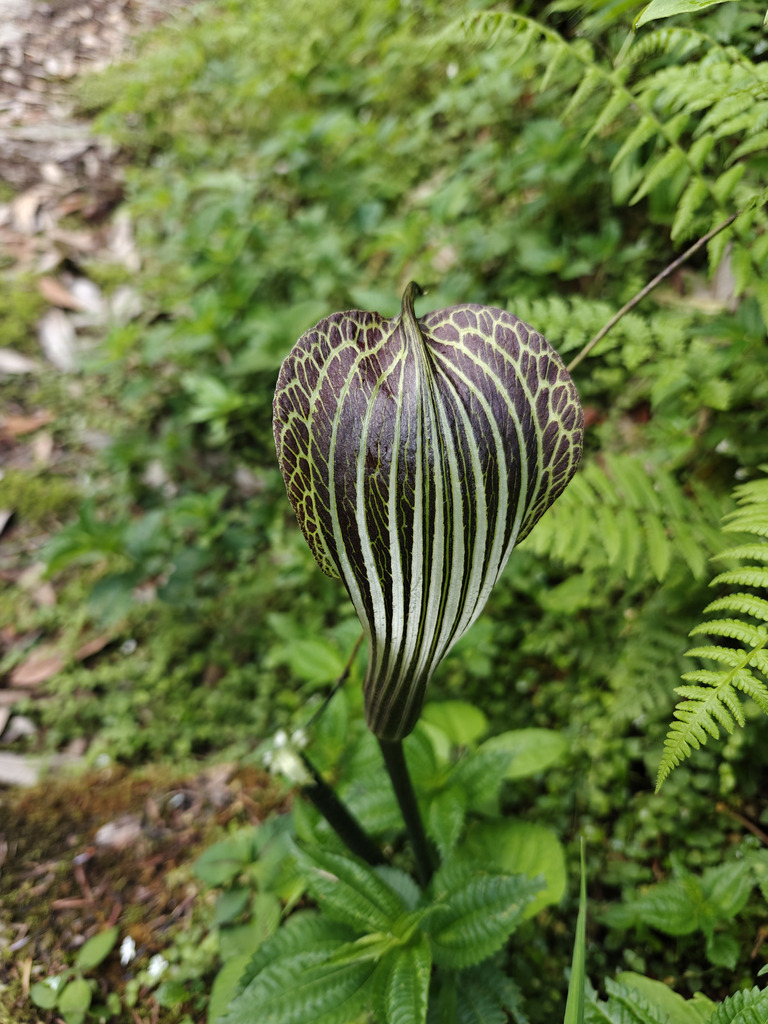
Wallich's cobra lily emerges from an underground tuber each spring across moist Himalayan slopes, unfurling a distinctive trifoliate leaf alongside a dramatically hooded flower structure. The spathe forms an arched, deep purplish-brown canopy with white or pale green longitudinal stripes that shelters a slender, dark purple spadix appendage. Tiny flies and fungus gnats are lured inside the pitcher-like tube by fungal odors, becoming trapped long enough to accomplish cross-pollination before the plant produces a dense cluster of bright scarlet autumn berries.
PerennialTuberousAlpine
—observations
—countries
—peak records
Not EvaluatedConservation statusIUCN Red List categoriesLCNTVUENCREWEXNot Evaluated — not placed on the risk ladderRed List categories, explained →
Diet & preySunlight, Water, Soil nutrients
Predators
- Herbivorous insect larvae
- Soil nematodes
- Fungal pathogens
ThreatsHabitat clearance, livestock grazing, and overharvesting for traditional folk medicine
HabitatsSubalpine rhododendron and fir forests, alpine meadows, and moist shady rocky ravines
Life spanPerennial (decades via tuberous propagation)
Classification
- OrderAlismatales
- FamilyAraceae
- GenusArisaema
- SpeciesArisaema propinquum
Range data is not available yet.
Interaction riskHigh
- Low
- Moderate
- High
- Very high
- Why interaction risk is high
- All parts contain acrid calcium oxalate crystals; wild berries have toxic look-alikes, so never consume.
- Why it is dangerous
- Plant tissues contain microscopic needle-shaped calcium oxalate crystals that pierce soft oral membranes, causing intense burning, swelling, and potential airway obstruction.
- How to recognize a risky encounter
- Recognizable by its single three-lobed leaf and hooded, deep purplish-brown spathe marked with bold pale vertical stripes.
- What to do
- Do not touch broken stems or taste any plant parts, and instruct pets and children to keep clear.
Responsible observation
- Viewing Etiquette: Admire the intricate striped spathe in place without handling the delicate foliage or tuber.
- Identification Clue: Look for the solitary, deeply three-lobed leaf and dark purple spathe with contrasting white stripes.
- Season Timing: Visit Himalayan subalpine zones between May and July to observe fully opened flowering spathes.
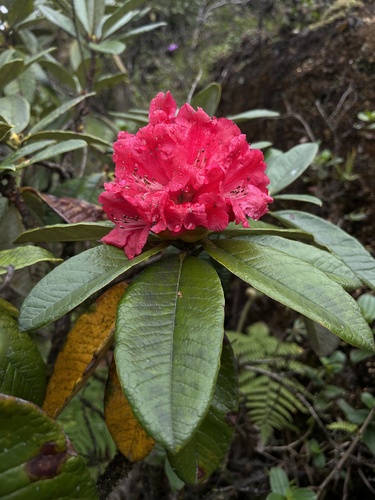
Frequent Companion (c) Vsevolod Rudyi, some rights reserved (CC BY), uploaded by Vsevolod Rudyi · cc-by Image unavailable
Close Relative Close Relative 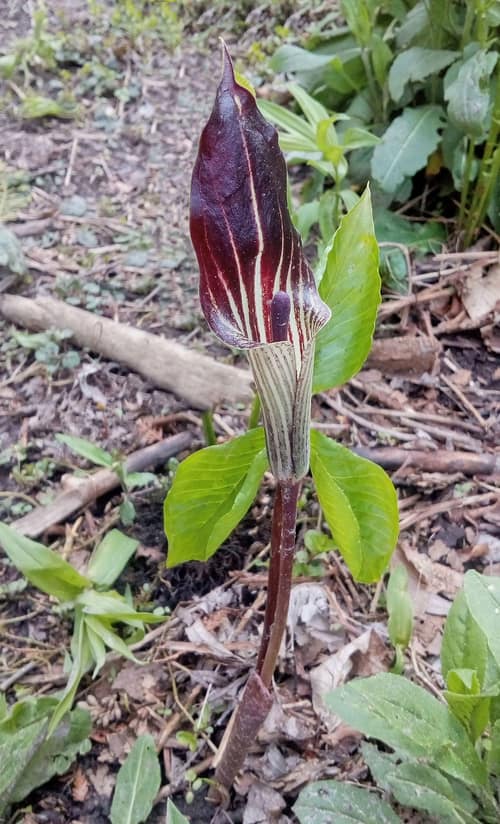
Close Relative СССР / CC BY-SA 2.5 ca · cc-by-sa
Help improve the field guideSomething wrong?
Checking your Fauna account…Report a name, category, or profile issue for review.