Also known as Poison Dart Plant, Chinese Evergreen, Variegated Aglaonema
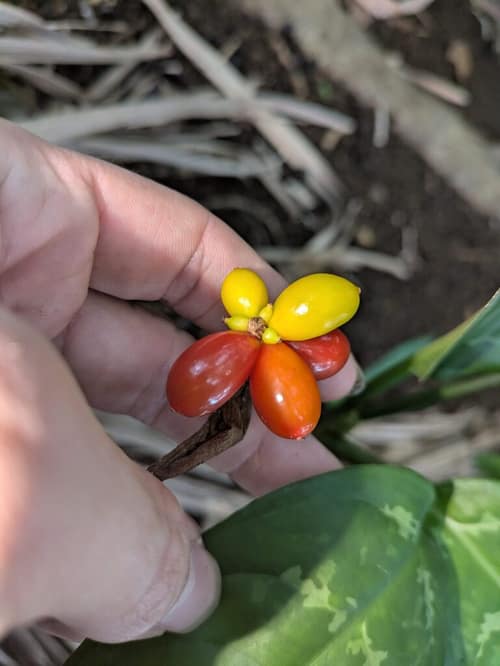
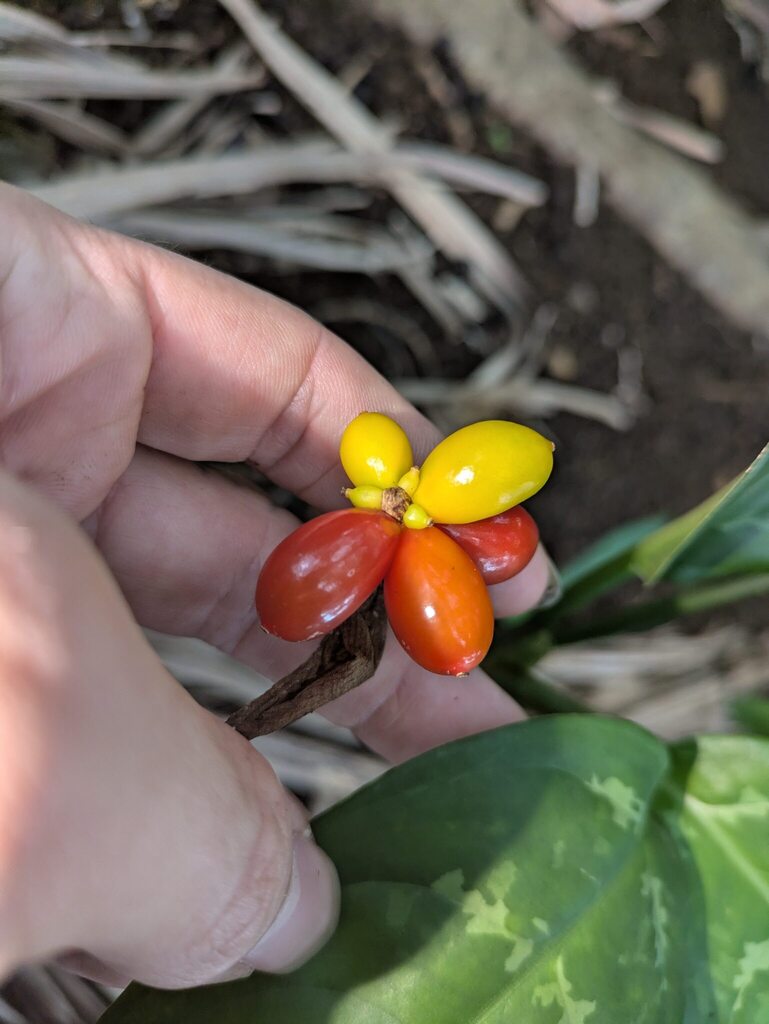
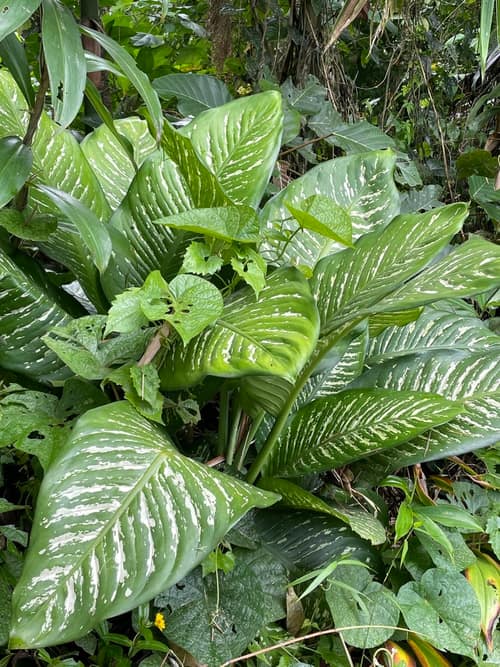
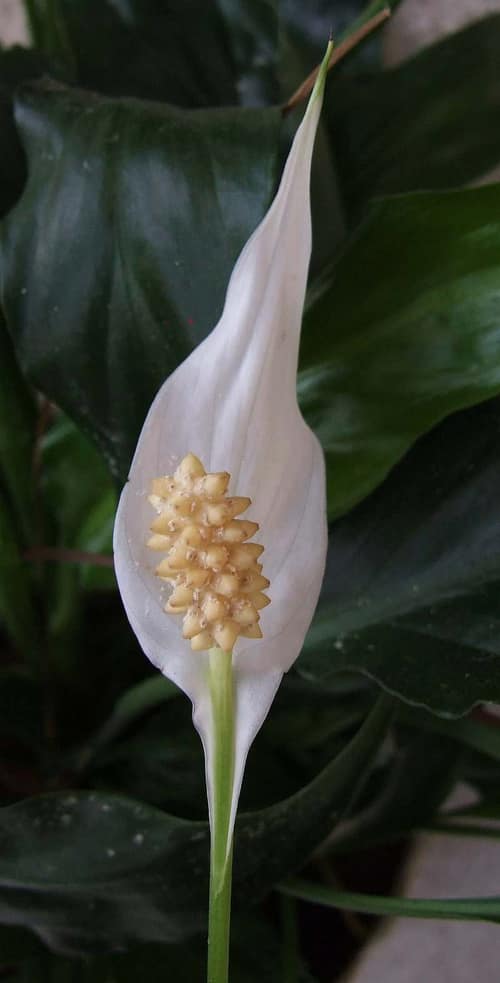
Philippine evergreen thrives on the humid floors of tropical rainforests, where its broad leaves maximize light capture through distinctive silvery variegation. Plants produce small green spadix flowers enclosed by a pale spathe, which eventually mature into bright red berry clusters. Beyond its native Asian range, this resilient Araceae family member has become one of the most widely cultivated shade-tolerant indoor foliage plants worldwide.
All plant parts contain calcium oxalate crystals toxic to pets and humans if ingested; observe without chewing or handling sap.
Why it is dangerous
Contains needle-like insoluble calcium oxalate crystals that cause severe oral burning, swelling, drooling, and difficulty swallowing if chewed or ingested.
How to recognize a risky encounter
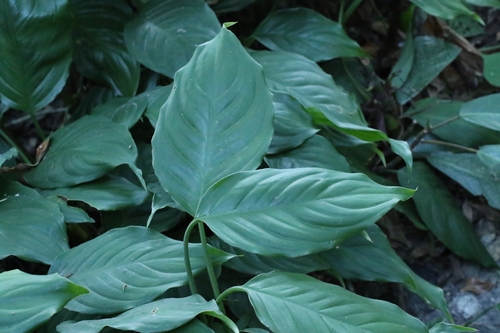
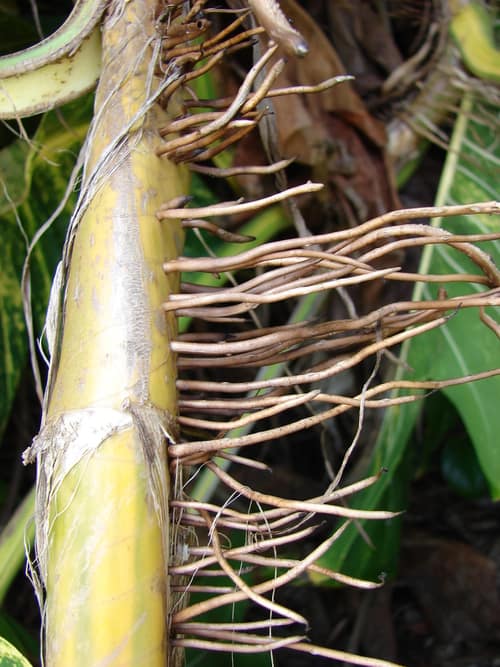
Recognized by broad, lance-shaped leaves with silvery-grey patterns branching from central veins on fleshy upright stems.
What to do
Keep out of reach of domestic pets and young children, and wear gloves when cutting or repotting to prevent sap contact.
Responsible observation
Placement: Keep in indirect low to medium light to protect variegated leaves from sunburn.
Pet Precautions: Place on high shelves or stands well out of reach of curious cats and dogs.
Handling Care: Wear gardening gloves when pruning stems to avoid contact with irritating plant sap.