
Plant
Tape Seagrass
Enhalus acoroidesAlso known as Eelgrass
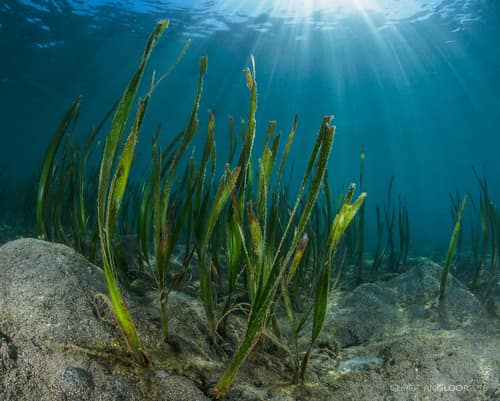
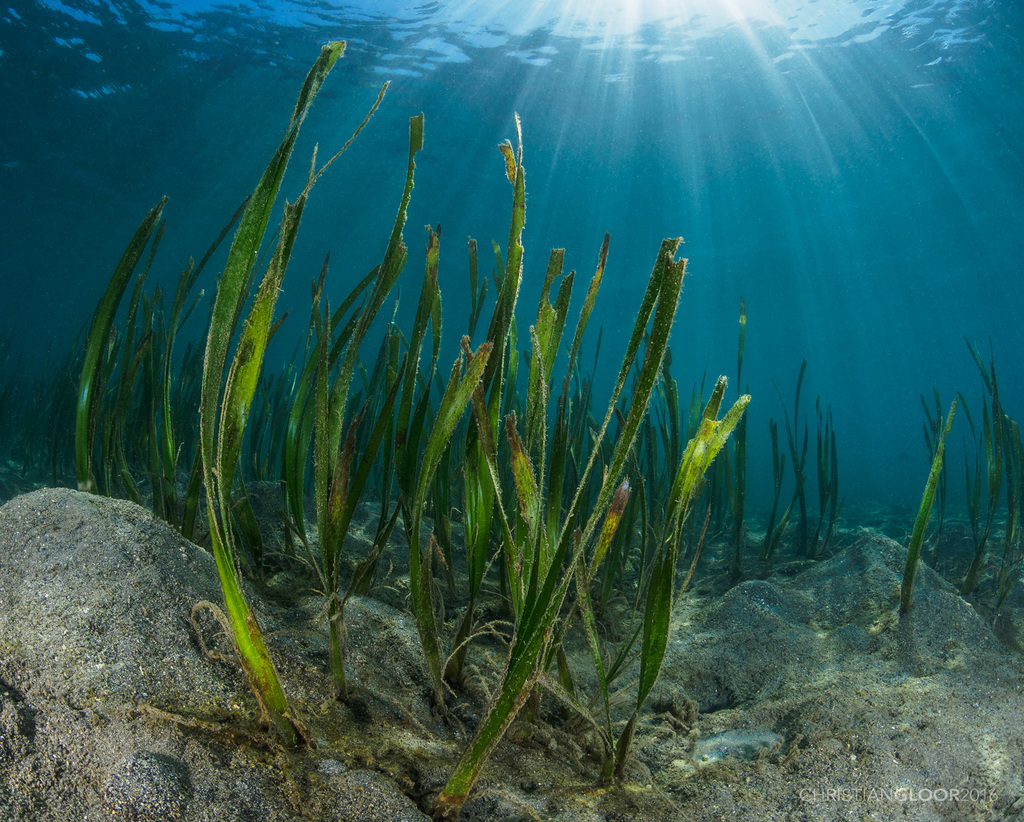
Tape seagrass is one of the largest seagrasses in the Indo-Pacific, anchoring deeply into muddy and sandy shallows with thick rhizomes wrapped in persistent, bristle-like black fibers. Its ribbon-shaped leaves can stretch over a meter long, forming dense underwater meadows that stabilize sea-floor sediments and shelter juvenile fish, crabs, and invertebrates. It exhibits a remarkable reproductive cycle where tiny male flowers break free from submerged spathes, float to the water surface, and drift until trapped by floating female flowers tethered to long spiral stalks.
MarineSeagrassFlowering
—observations
—countries
—peak records
Least ConcernConservation statusIUCN Red List categoriesLCNTVUENCREWEXLeast ConcernRed List categories, explained →
Diet & preyPhotoautotrophic (sunlight, carbon dioxide, and marine sediment nutrients)
Predators
- Dugong
- Green Sea Turtle
- Sea Urchins
ThreatsCoastal dredging, boat propeller scarring, agricultural runoff, and siltation
HabitatsShallow tropical lagoons, sheltered bays, intertidal flats, and coral reef flats
Life spanDecades (perennial clonal rhizome systems)
Classification
- FamilyHydrocharitaceae
- SpeciesEnhalus acoroides
Range data is not available yet.
Interaction riskLow
- Low
- Moderate
- High
- Very high
- Why interaction risk is low
- Safe to observe at a normal distance.
- What to notice
- Look for exceptionally broad, dark green ribbon blades growing in clusters from stiff, black-bristled rhizomes in calm, shallow tropical waters.
- Support conservation
- Anchor only in designated sand patches, trim outboard motors in shallow shallows, and never tread on the meadow bed.
Responsible observation
- Navigation Care: Avoid running boat propellers through shallow flats to prevent tearing the slow-recovering rhizomes.
- Tide Timing: Snorkel during high tide in calm lagoons to observe the ribbon-like leaves floating fully erect.
- Surface Scouting: Look closely at the surface water at calm low tide to spot floating detached male blossoms.
 Image unavailable
Frequent Companion 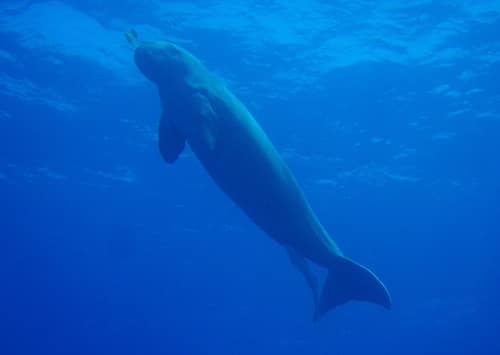
Predator Gejuni / CC BY-SA 3.0 de · cc-by-sa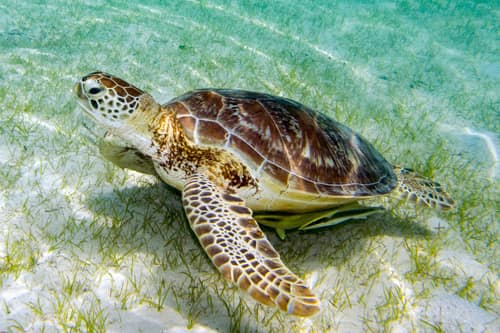
Predator (c) Paul Asman and Jill Lenoble, some rights reserved (CC BY), uploaded by Paul Asman and Jill Lenoble · cc-by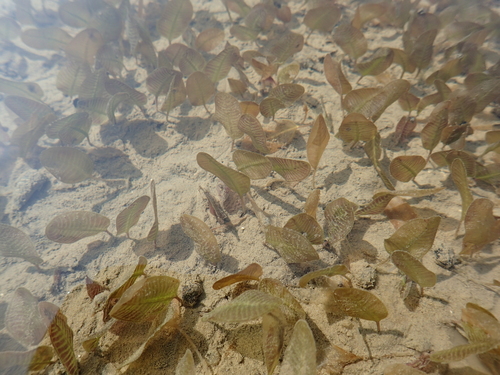
Same Family no rights reserved, uploaded by 葉子 · cc0
Help improve the field guideSomething wrong?
Checking your Fauna account…Report a name, category, or profile issue for review.