
Plant
American Eelgrass
Vallisneria americanaAlso known as Wild Celery, Water-Celery, Tape Grass, Eelgrass
Submerged ribbons of tape grass form vast underwater meadows that anchor aquatic sediments, oxygenate shallow water, and provide nursery habitat for juvenile fish and invertebrates. Female flowers rise to the surface on long spiral stalks to catch free-floating male flowers that break away from underwater spathes. Overwintering occurs via nutrient-rich winter buds or tubers buried in the mud, which serve as a critical seasonal food source for migrating waterfowl.
AquaticSubmergedPerennial
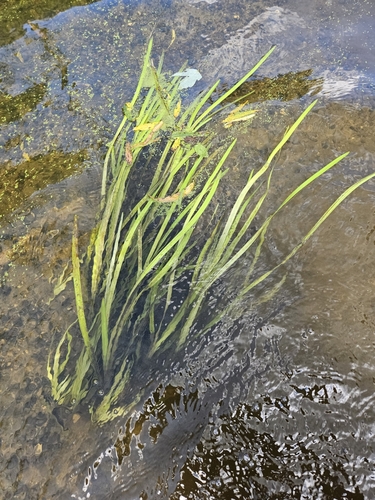
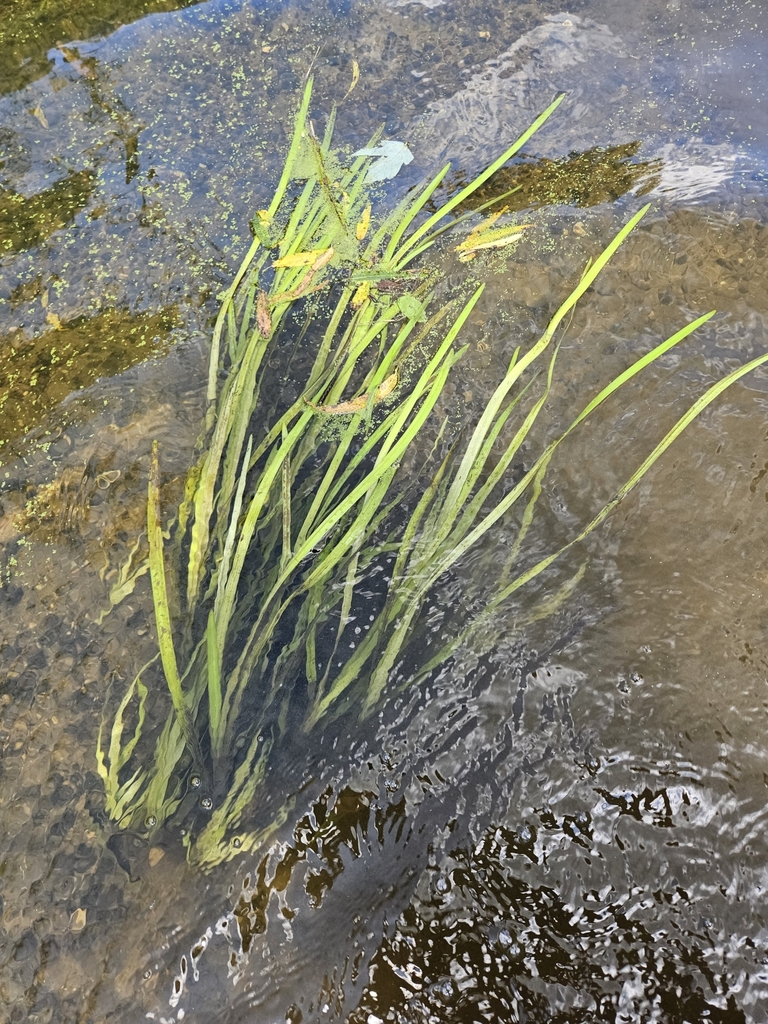
—observations
—countries
—peak records
Least ConcernConservation statusIUCN Red List categoriesLCNTVUENCREWEXLeast ConcernRed List categories, explained →
Diet & preyPhotoautotrophic (sunlight, dissolved carbon dioxide, and substrate nutrients)
Predators
- Canvasback
- West Indian Manatee
- Grass Carp
ThreatsEutrophication, water turbidity reducing light penetration, and invasive aquatic weeds
HabitatsLakes, sluggish rivers, ponds, and brackish estuaries in depths up to 4 meters
Life spanPerennial (individual beds persist indefinitely via rhizomes)
Classification
- OrderAlismatales
- FamilyHydrocharitaceae
- GenusVallisneria
- SpeciesVallisneria americana
Range data is not available yet.
Interaction riskLow
- Low
- Moderate
- High
- Very high
- Why interaction risk is low
- Safe to observe at a normal distance.
Responsible observation
- Paddling etiquette: Lift kayak and canoe paddles when drifting over shallow beds to avoid tearing rooted runners.
- Boat navigation: Trim outboard motors in shallow bays to prevent propeller scarring across underwater meadows.
- Aquarium maintenance: Secure rooted runners in sandy substrates under moderate to high lighting.
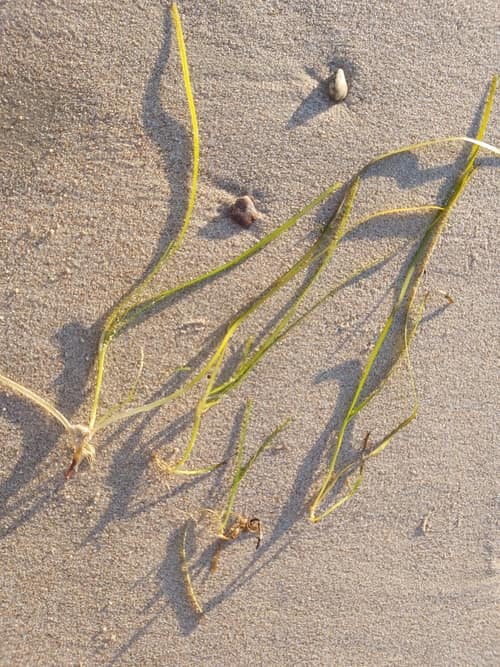
Look-alike no rights reserved · cc0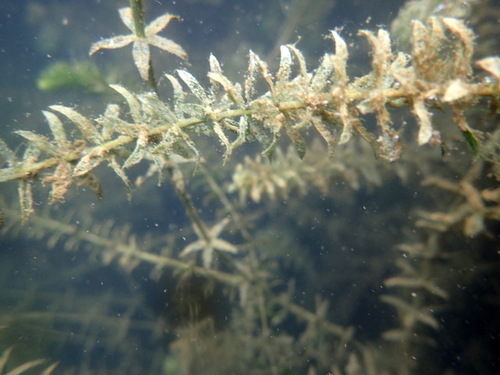
Competitor (c) mfeaver, some rights reserved (CC BY), uploaded by mfeaver · cc-by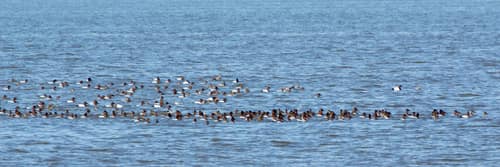
Predator (c) Elaine with Grey Cats, some rights reserved (CC BY-SA) · cc-by-sa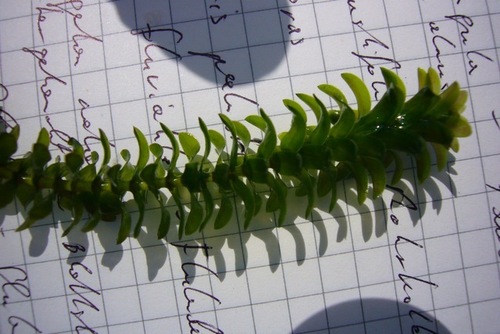
Same Family (c) Radio Tonreg, some rights reserved (CC BY) · cc-by
Help improve the field guideSomething wrong?
Checking your Fauna account…Report a name, category, or profile issue for review.