Also known as Lirio De Playa, Spider Lily, Shore Spider Lily
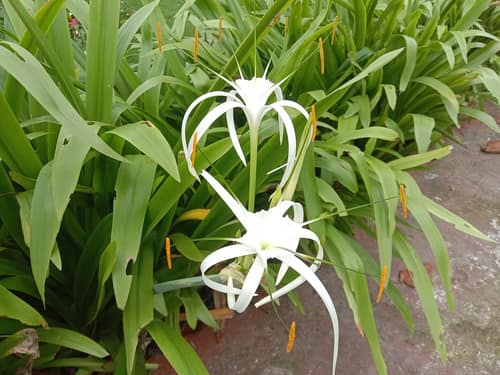
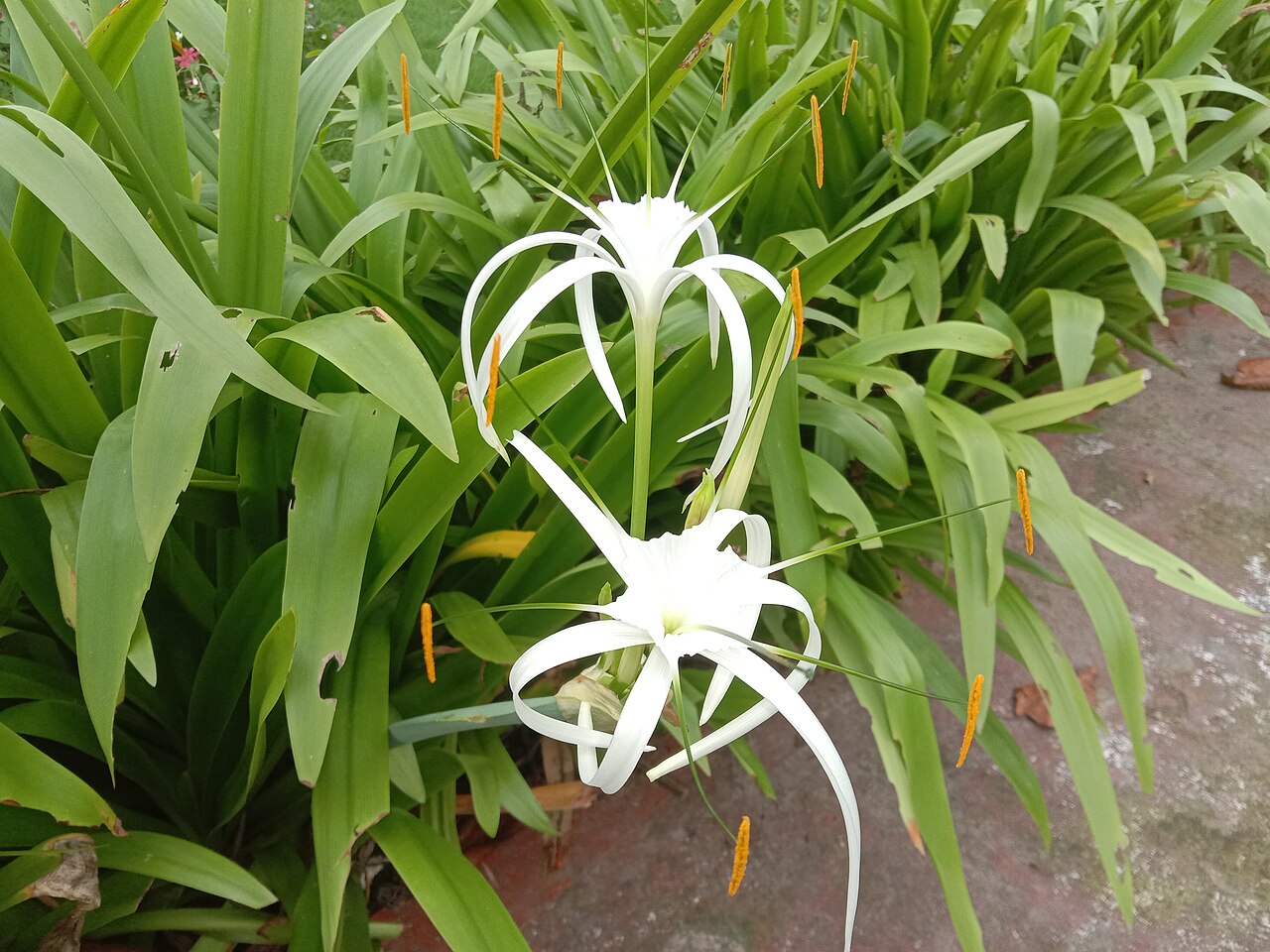
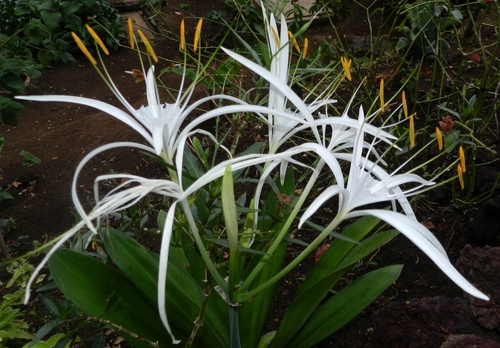
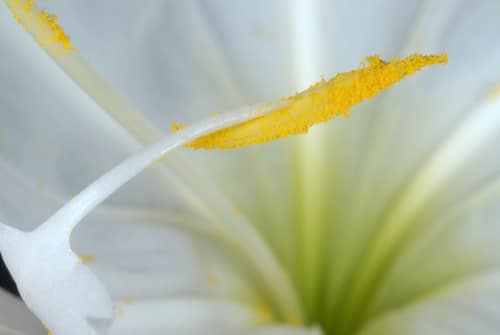
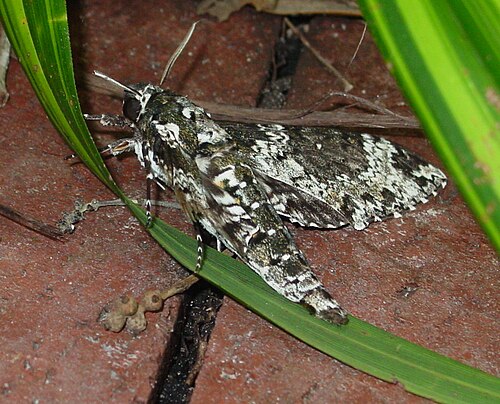
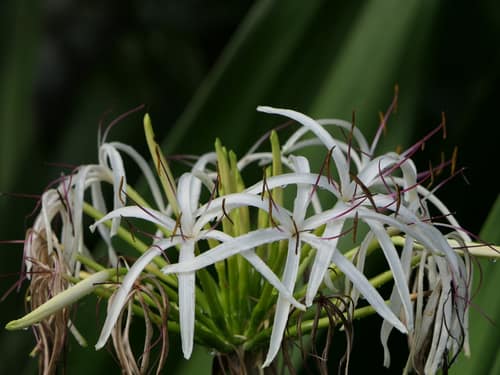
Beach spider lilies produce pristine white blossoms with extraordinarily long, delicate petals radiating from a central floral cup reminiscent of a daffodil. Blooming in nocturnal bursts, the flowers emit an intense, sweet fragrance specifically evolved to attract long-tongued hawk moths in the dark. Dense subterranean bulbs anchor the plant securely against storm surges and tidal shifts along sandy shores and estuary banks.
Not EvaluatedConservation statusIUCN Red List categoriesLCNTVUENCREWEXNot Evaluated — not placed on the risk ladderRed List categories, explained →
Key facts
Diet & prey
Autotrophic (photosynthesis)
Predators
Spanish Moth Caterpillar
Lubber Grasshopper
Spider Mite
ThreatsCoastal development, shoreline erosion, and invasive weed competition
HabitatsCoastal dunes, mangrove borders, beach margins, and riverbanks
Life span10–20+ years (perennial bulb)
Size / weightNot available
Classification
OrderAsparagales
FamilyAmaryllidaceae
GenusHymenocallis
SpeciesHymenocallis littoralis
Range & activity
Range data is not available yet.
Safe observation
Interaction riskHigh
Low
Moderate
High
Very high
Why interaction risk is high
Bulbs and foliage contain toxic alkaloids; toxic to dogs, cats, and humans if ingested.
Why it is dangerous
Tissues contain phenanthridine alkaloids, primarily lycorine, which cause intense nausea, vomiting, diarrhea, abdominal pain, and potential cardiac arrhythmia if ingested.
How to recognize a risky encounter
Look for strap-shaped, glossy green leaves emerging directly from a large underground bulb, topped by clusters of white, spidery flowers with six long narrow petals.
What to do
Wash hands thoroughly after handling bulbs or bruised leaves, and seek immediate veterinary or medical care if ingested.
Responsible observation
Night Viewing: Visit flowers at dusk to catch the sweetest scent and observe hawkmoth visitors.
Pet Safety: Keep curious dogs and cats from chewing on the foliage or digging up bulbs.
Dune Etiquette: Avoid trampling wild clumps, as their roots stabilize sensitive coastal sand dunes.