
Flower
White Rain-lily
Zephyranthes candidaAlso known as Autumn Zephyrlily, Peruvian Swamp Lily, White Windflower, Fairy Lily
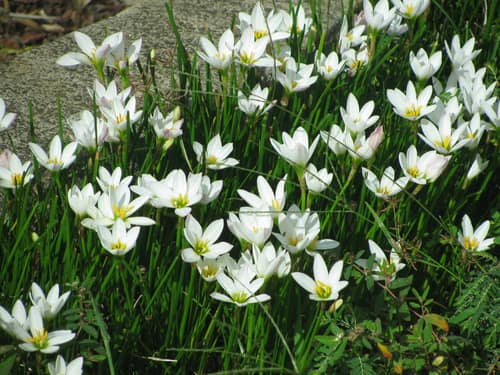
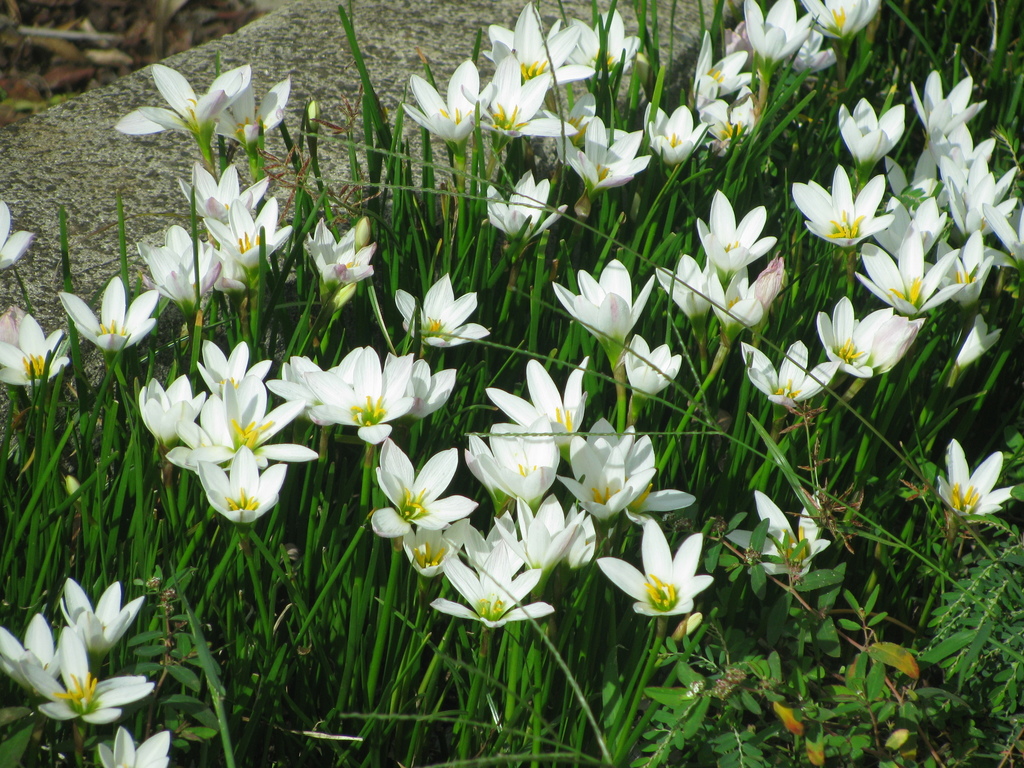
White rain-lilies send up dense tufts of glossy, rush-like foliage topped by solitary, glistening white blossoms that open rapidly after late summer and autumn downpours. Each upright, star-shaped flower features six pure white tepals surrounding bright golden-orange anthers, opening in sunshine and closing at dusk. Native to the damp riverbanks and marshes of the Río de la Plata basin, they now carpet garden borders and naturalized roadsides across warm-temperate regions worldwide.
FloweringBulbAutumn Bloomer
—observations
—countries
—peak records
Not EvaluatedConservation statusIUCN Red List categoriesLCNTVUENCREWEXNot Evaluated — not placed on the risk ladderRed List categories, explained →
Diet & preyAutotrophic (photosynthetic)
Predators
- Spanish Moth Caterpillars
- Snails
- Slugs
ThreatsHabitat conversion in native range; globally secure through cultivation
HabitatsRiparian banks, marshes, seasonally wet grasslands, and garden borders
Life spanPerennial (10–20+ years via clumping bulbs)
Classification
- OrderAsparagales
- FamilyAmaryllidaceae
- GenusZephyranthes
- SpeciesZephyranthes candida
Range data is not available yet.
Interaction riskHigh
- Low
- Moderate
- High
- Very high
- Why interaction risk is high
- All parts contain toxic alkaloids; harmful to humans, dogs, and cats if ingested.
- Why it is dangerous
- Contains lycorine and other phenanthridine alkaloids that induce vomiting, salivation, severe diarrhea, and abdominal pain if ingested.
- How to recognize a risky encounter
- Recognized by upright, pure white six-petaled flowers with bright yellow centers rising from tubular, chive-like green leaves.
- What to do
- Do not consume any part of the plant; wash hands after dividing bulbs and keep pets away from clumps.
Responsible observation
- Timing blooms: Check damp lawns and garden beds 2 to 4 days after heavy late-summer rainstorms.
- Pet safety: Keep curious dogs and cats from chewing on the foliage or digging up bulbs.
- Gardening: Plant bulbs in full sun to light shade in moist, well-draining soil for prolific flowering.
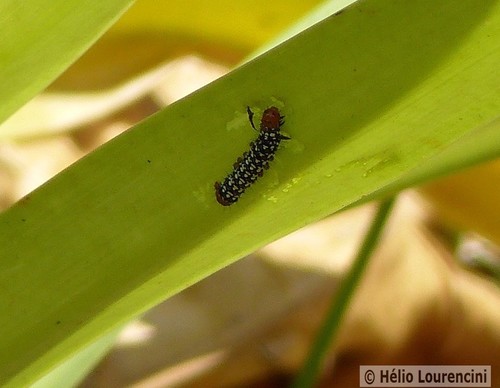
Herbivore (c) Helio Lourencini, some rights reserved (CC BY) · cc-by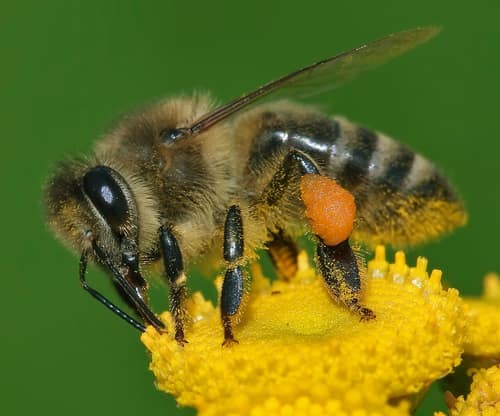
Pollinator Andreas Trepte / CC BY-SA 2.5 · cc-by-sa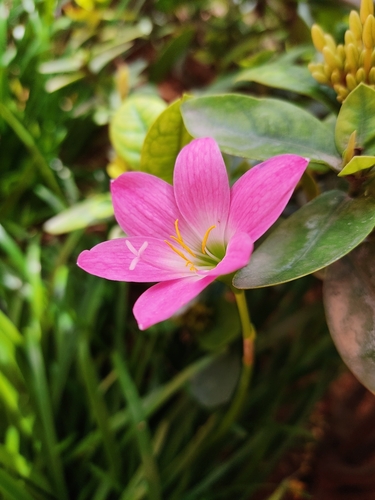
Close Relative (c) Mitul and Vijul Singh, some rights reserved (CC BY), uploaded by Mitul and Vijul Singh · cc-by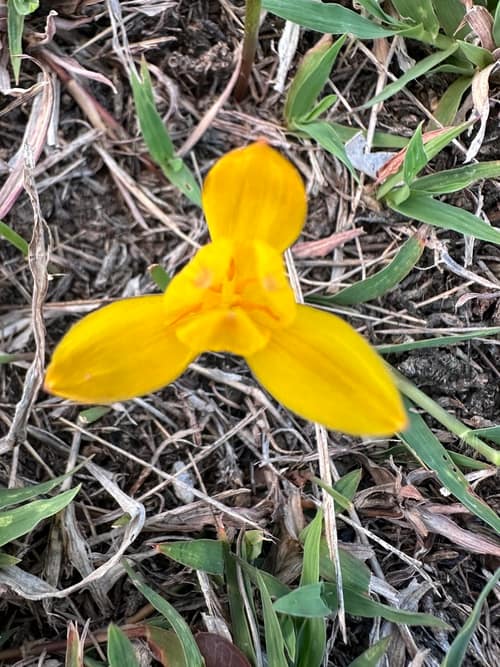
Close Relative (c) Tara Severns, some rights reserved (CC BY) · cc-by
Help improve the field guideSomething wrong?
Checking your Fauna account…Report a name, category, or profile issue for review.