
Flower · GBIF taxon 2859817
Zephyranthes rosea
Zephyranthes roseaAlso known as Rosy Rain Lily, Rose Fairy Lily, Pink Rain Lily, Cuban Zephyrlily
Cuban zephyrlilies lie dormant underground during dry spells, only to burst into carpets of vibrant pink blossoms within days of heavy rainfall. Each flower opens on a slender stalk above glossy, grass-like leaves, welcoming visits from sweat bees, butterflies, and other opportunistic nectar seekers. While native to South America, their rapid response to summer storms and drought resilience have made them beloved perennials naturalized throughout warm climates worldwide.
FloweringBulbousTropical
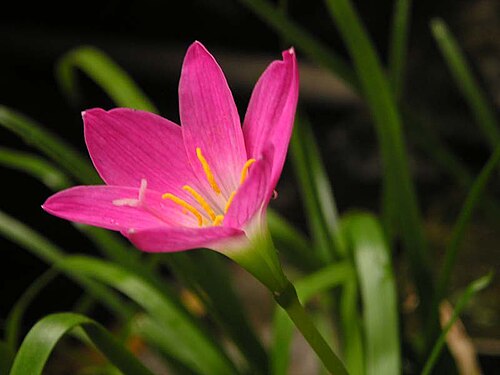
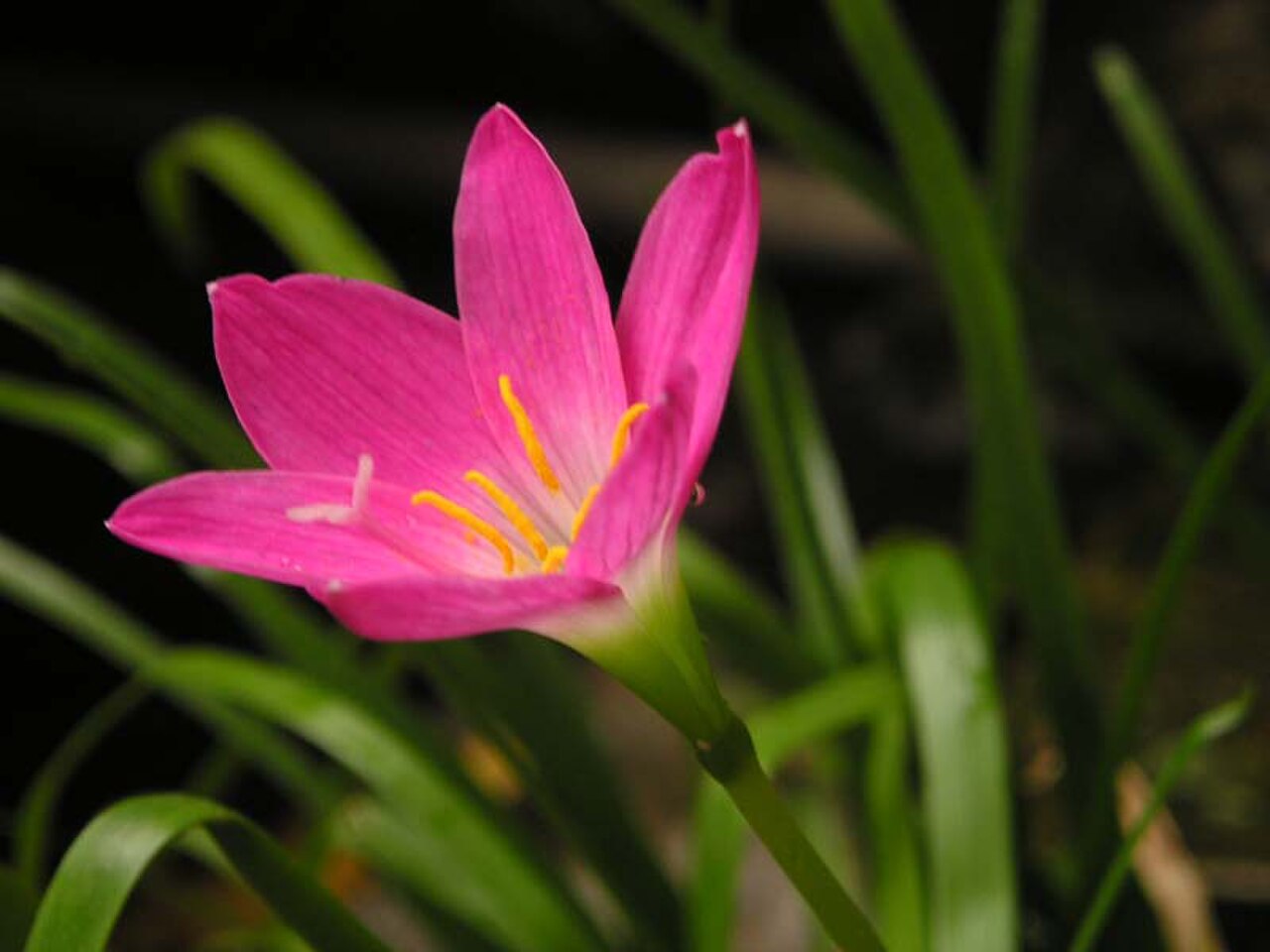
—observations
—countries
—peak records
Not EvaluatedConservation statusIUCN Red List categoriesLCNTVUENCREWEXNot Evaluated — not placed on the risk ladderRed List categories, explained →
Diet & prey
- Autotrophic (photosynthetic)
Predators
- Slugs and snails
- Grasshoppers
- Caterpillars
ThreatsHabitat conversion in native range, though globally secure due to horticulture
HabitatsTropical grasslands, forest edges, disturbed meadows, and cultivated gardens
Life spanPerennial (bulbs live 10–15+ years)
Size / weightNot available
Classification
- OrderAsparagales
- FamilyAmaryllidaceae
- GenusZephyranthes
- SpeciesZephyranthes rosea
Range data is not available yet.
Interaction riskHigh
- Low
- Moderate
- High
- Very high
- Why interaction risk is high
- Bulbs contain toxic lycorine; harmful to humans and pets if chewed or swallowed.
- Why it is dangerous
- Contains toxic Amaryllidaceae alkaloids including lycorine, which induce vomiting, intense abdominal pain, diarrhea, and tremors if consumed.
- How to recognize a risky encounter
- Look for low tufts of dark green, strap-shaped leaves topped by six-petaled pink flowers with contrasting golden-yellow anthers.
- What to do
- Wear gardening gloves when dividing underground bulbs, and ensure pets or young children do not dig them up.
Responsible observation
- Timing Blooms: Check sunny garden borders two to three days after sudden torrential downpours to catch the synchronized flush.
- Garden Planting: Cluster dormant bulbs closely in moist, well-drained soil under full sun for dense flowering displays.
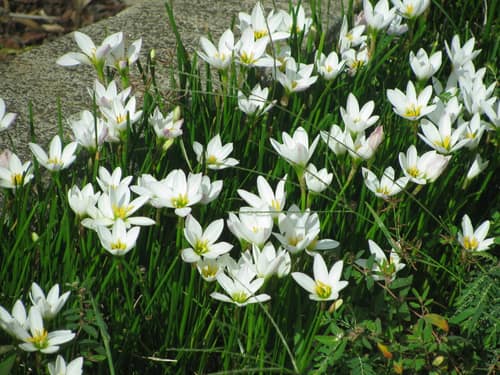
Close Relative (c) Forest and Kim Starr, some rights reserved (CC BY) · cc-by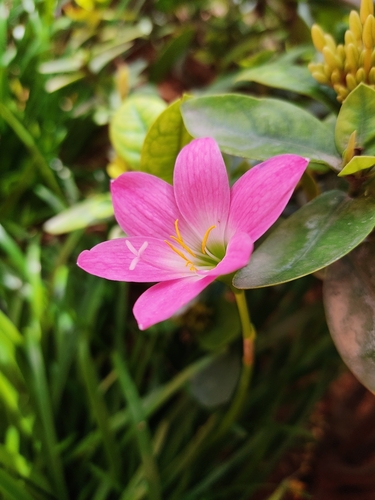
Close Relative (c) Mitul and Vijul Singh, some rights reserved (CC BY), uploaded by Mitul and Vijul Singh · cc-by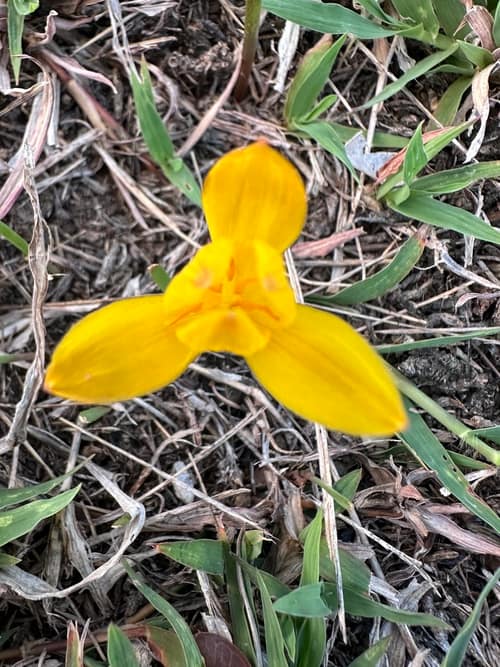
Close Relative (c) Tara Severns, some rights reserved (CC BY) · cc-by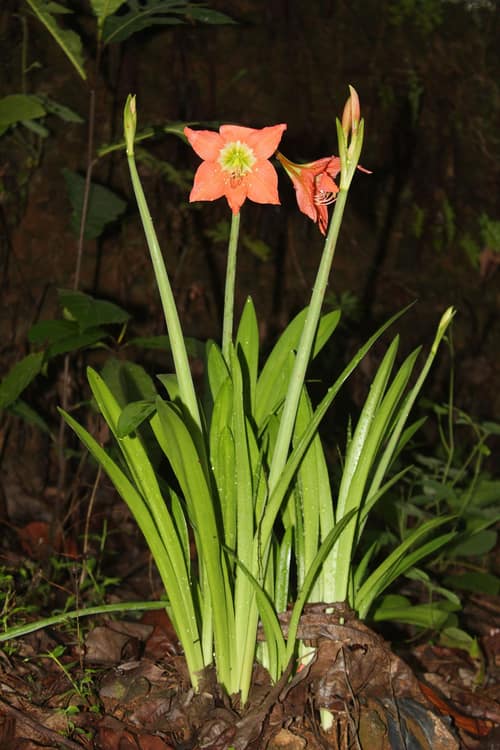
Same Family Praveenp / CC BY-SA 4.0 · cc-by-sa
Help improve the field guideSomething wrong?
Checking your Fauna account…Report a name, category, or profile issue for review.