
Plant
Ramsons
Allium ursinumAlso known as Wild Garlic
Ramsons is a bulb-forming woodland plant with broad paired leaves and a rounded cluster of white star-shaped flowers. Dense colonies can carpet moist deciduous forest before the canopy fully closes.
Woodland BulbWhite FlowersSpring Colony
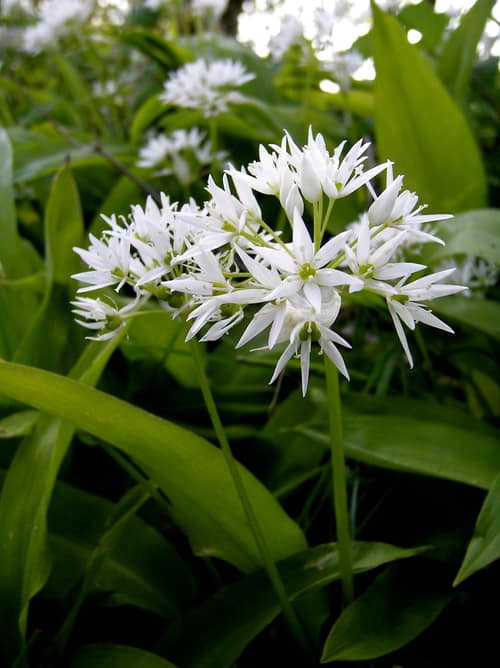
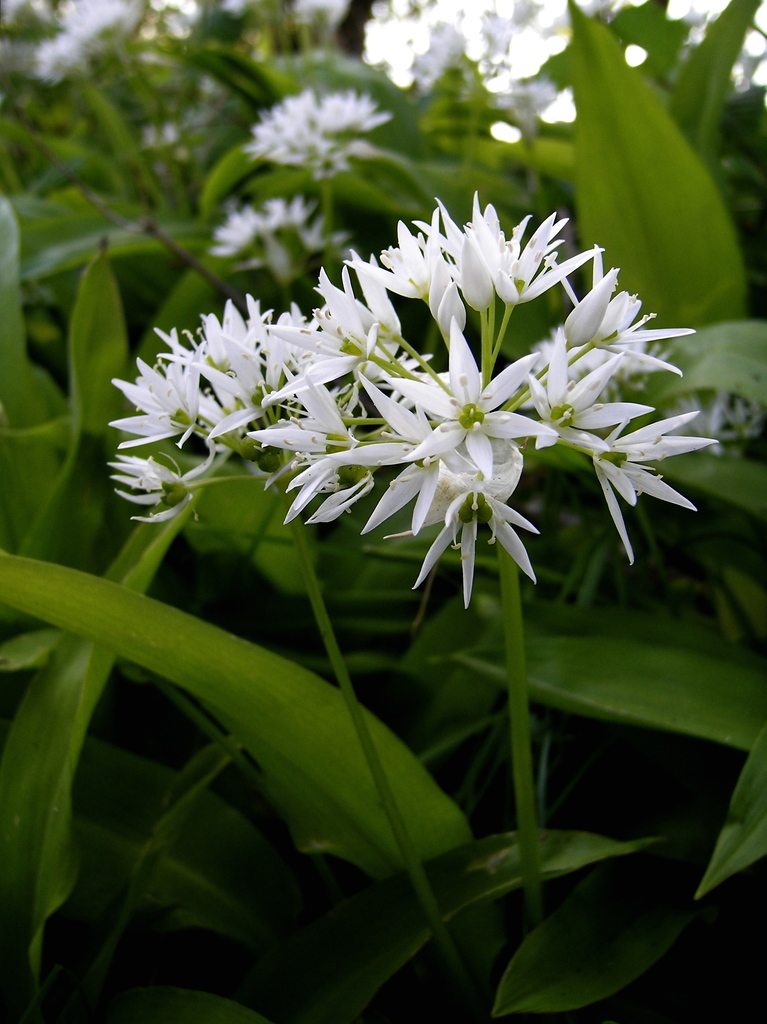
—observations
—countries
—peak records
Not EvaluatedConservation statusIUCN Red List categoriesLCNTVUENCREWEXNot Evaluated — not placed on the risk ladderRed List categories, explained →
Diet & preyPhotosynthesis; bulbs and roots absorb water and mineral nutrients
Predators
- Slugs
- Snails
- Browsing mammals
ThreatsWoodland clearing, trampling, overcollection, and invasive ground cover
HabitatsMoist deciduous woodland, shaded streambanks, and rich calcareous soils
Life spanPerennial bulbs can persist and spread for many years
Classification
- FamilyAmaryllidaceae
- SpeciesAllium ursinum
Range data is not available yet.
Interaction riskHigh
- Low
- Moderate
- High
- Very high
- Why interaction risk is high
- Toxic look-alikes are easily misidentified; do not eat wild leaves, and keep Allium plants away from pets.
- Why it is dangerous
- Dangerous look-alikes can grow nearby, and Allium tissues can poison dogs and cats when ingested.
- How to recognize a risky encounter
- Use multiple botanical characters, including the bulb, flower head, leaf attachment, and venation, without tasting.
- What to do
- Do not forage or feed wild material to people or pets; contact poison services after a concerning ingestion.
Responsible observation
- Flowers: Confirm a rounded head of separate white stars.
- Colony: View broad leaves without crushing or picking them.
Help improve the field guideSomething wrong?
Checking your Fauna account…Report a name, category, or profile issue for review.