
Flower · GBIF taxon 2856297
Garlic Chives
Allium tuberosumAlso known as Chinese Chives, Oriental Garlic, Asian Chives, Chinese Leek
Garlic chives form dense perennial clumps of flat, strap-like leaves distinct from the hollow, tubular foliage of common chives. In late summer, sturdy flower stalks rise above the greenery to display fragrant, star-shaped white blossoms arranged in loose umbels that attract a wide variety of native bees, butterflies, and hoverflies. Widely cultivated for centuries across East Asia, plants readily spread by both rhizomatous rootstocks and prolific self-seeding, occasionally escaping gardens into disturbed grasslands and roadsides.
PerennialFloweringAromatic
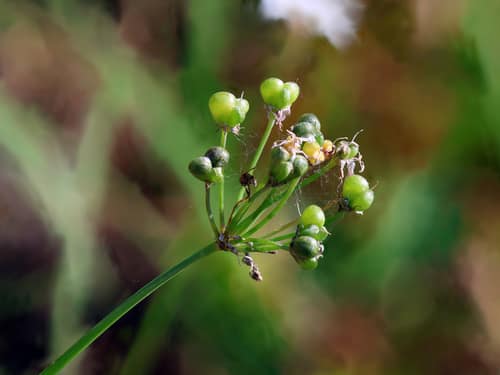
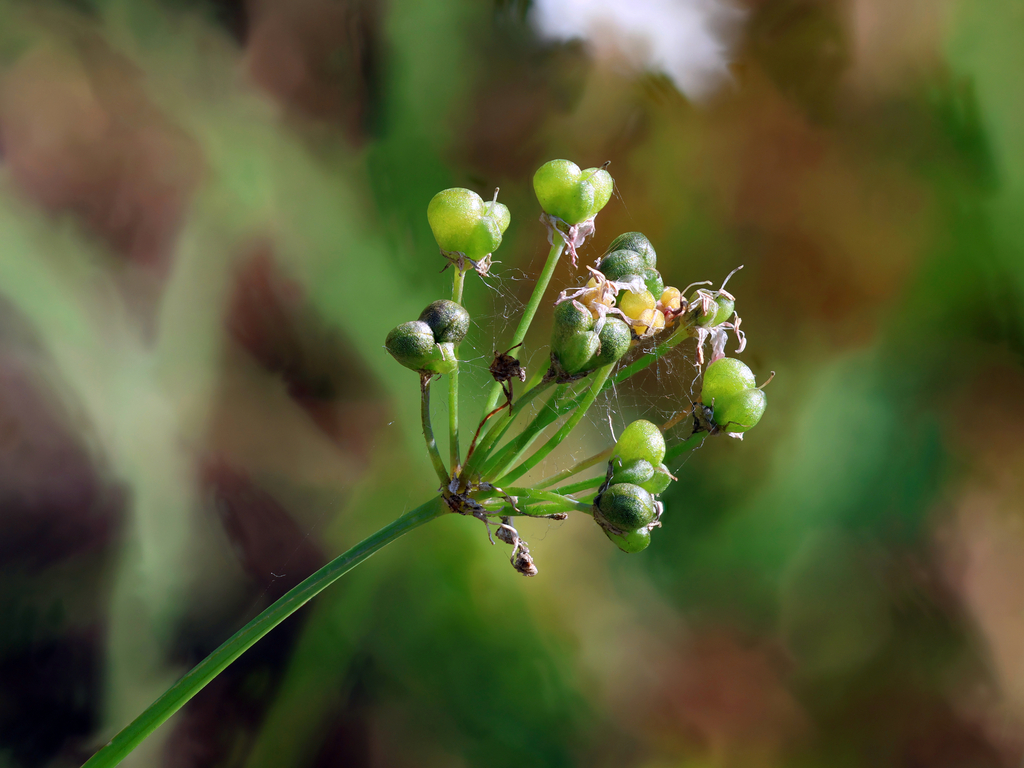
—observations
—countries
—peak records
Not EvaluatedConservation statusIUCN Red List categoriesLCNTVUENCREWEXNot Evaluated — not placed on the risk ladderRed List categories, explained →
Diet & prey
- Autotrophic (photosynthetic)
Predators
- Onion Thrips
- Allium Leafminer
- Slugs
ThreatsOverharvesting in native wild populations, habitat conversion, and fungal rust
HabitatsAgricultural edges, grasslands, river valleys, disturbed open ground, and gardens
Life span5–10 years (perennial clump)
Size / weightNot available
Classification
- OrderAsparagales
- FamilyAmaryllidaceae
- GenusAllium
- SpeciesAllium tuberosum
Range data is not available yet.
Interaction riskHigh
- Low
- Moderate
- High
- Very high
- Why interaction risk is high
- Contains organosulfoxides toxic to dogs and cats; safe for human culinary use.
- Why it is dangerous
- Contains disulfides and thiosulfates that damage red blood cells in dogs and cats, leading to hemolytic anemia and potential organ failure.
- How to recognize a risky encounter
- Look for flat, solid ribbon-like green leaves paired with upright stalks carrying star-shaped white blossoms smelling distinctly of mild garlic.
- What to do
- Keep ornamental plantings and harvested cuttings out of reach of household pets, and seek veterinary care if ingested.
Responsible observation
- Flower Head Removal: Snip fading flower heads before seeds blacken and drop to prevent aggressive spread.
- Pet Safety: Grow in raised beds or fenced borders away from curious dogs and cats.
- Crush and Sniff: Bruise a leaf lightly to detect the characteristic blend of mild onion and garlic scent.
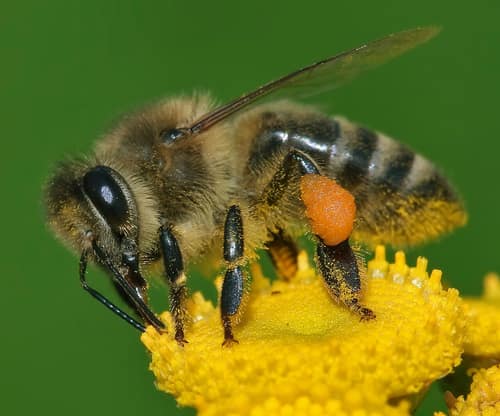
Pollinator Andreas Trepte / CC BY-SA 2.5 · cc-by-sa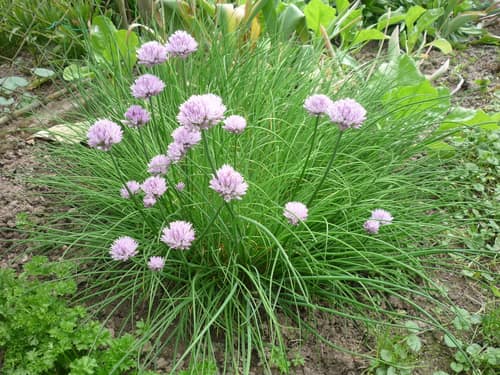
Close Relative (c) Pohled 111, some rights reserved (CC BY-SA) · cc-by-sa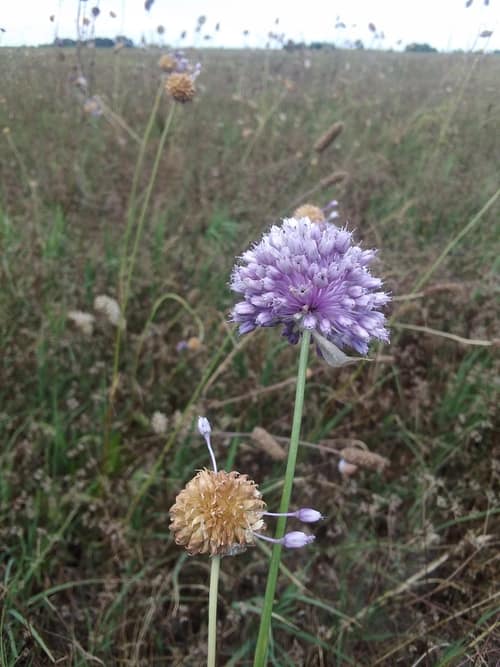
Close Relative no rights reserved · cc0
Help improve the field guideSomething wrong?
Checking your Fauna account…Report a name, category, or profile issue for review.