
Plant
Chives
Allium schoenoprasumAlso known as Wild Chives, Rush Leek
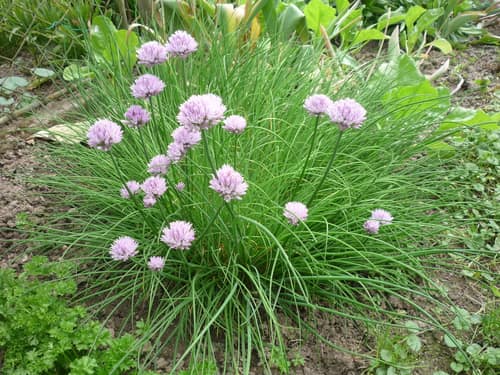
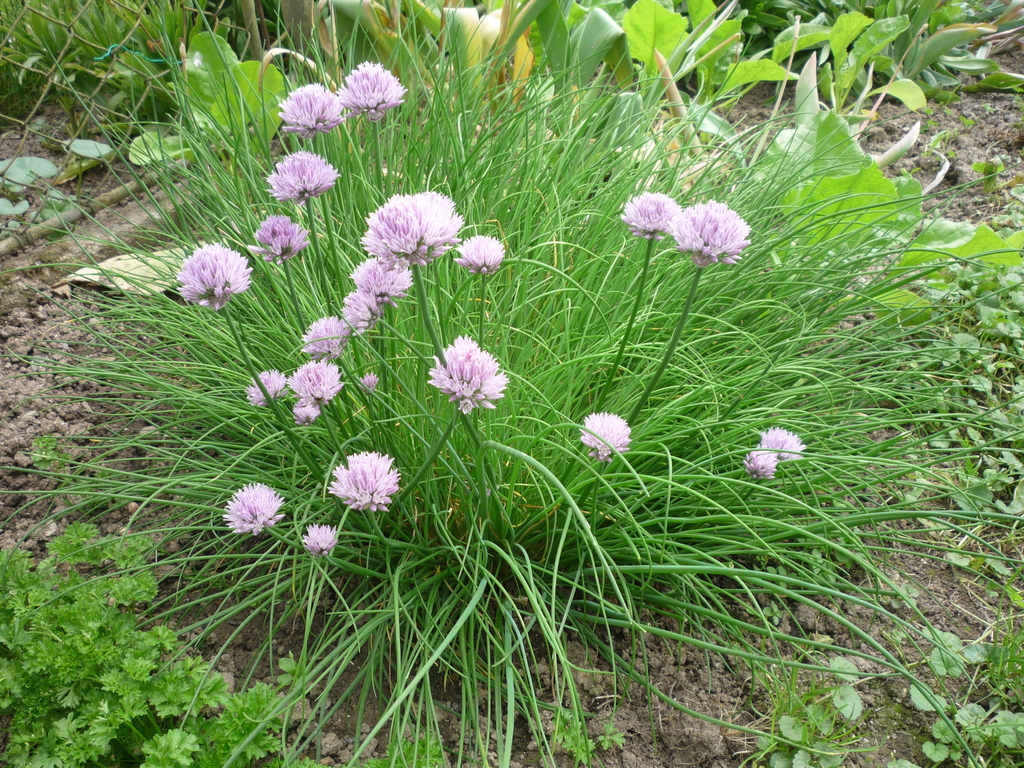
Chives form dense, grass-like tufts of hollow, cylindrical leaves that release a sharp onion scent when bruised. In late spring and early summer, upright stems top out with globe-shaped umbels of pale purple to pink, star-like flowers that draw bumblebees, honeybees, and butterflies. Growing wild across rocky riverbanks, wet meadows, and subalpine slopes of the Northern Hemisphere, this hardy perennial dies back to small underground bulbs each winter.
PerennialFloweringAromatic
—observations
—countries
—peak records
Least ConcernConservation statusIUCN Red List categoriesLCNTVUENCREWEXLeast ConcernRed List categories, explained →
Diet & preySunlight, Soil nitrates, Groundwater
Predators
- Voles
- Rabbits
- Onion Thrips
ThreatsMinimal globally; localized habitat loss from riverbank alteration and overgrazing
HabitatsWet meadows, rocky riverbanks, coastal cliffs, subalpine slopes, and gardens
Life spanPerennial; individual clumps persist for many years
Classification
- OrderAsparagales
- FamilyAmaryllidaceae
- GenusAllium
- SpeciesAllium schoenoprasum
Range data is not available yet.
Interaction riskHigh
- Low
- Moderate
- High
- Very high
- Why interaction risk is high
- Safe for people to observe, but toxic to dogs, cats, and horses if ingested.
- Why it is dangerous
- Contains organosulfur compounds, such as N-propyl disulfide, which damage red blood cells in dogs, cats, and horses, leading to hemolytic anemia.
- How to recognize a risky encounter
- Grows in dense clumps of hollow, bright green tubular leaves with globe-shaped purple-pink flower heads and a strong onion odor when crushed.
- What to do
- Keep pets away from garden patches and trimmed foliage, and seek veterinary care promptly if a dog or cat chews on the plant.
Responsible observation
- Scent Check: Gently rub a single blade between your fingers to confirm the classic onion aroma.
- Look-Alike Warning: Avoid mistaking wild chives for poisonous death camas, which lacks an onion smell.
- Pollinator Watch: Pause near blooming clumps at midday to spot bees and hoverflies working the purple globes.
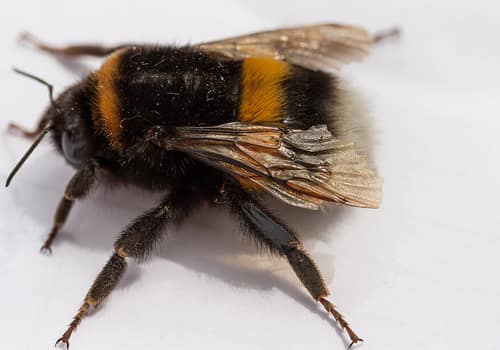
Pollinator Marco Almbauer / CC0 · cc0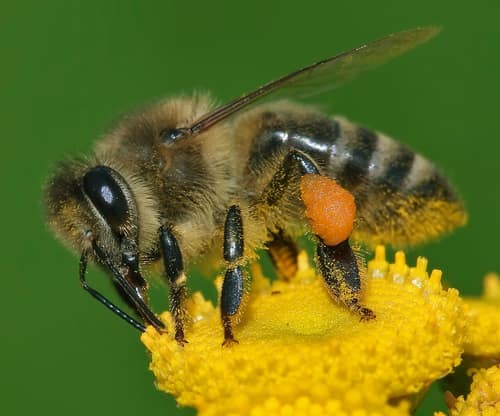
Pollinator Andreas Trepte / CC BY-SA 2.5 · cc-by-sa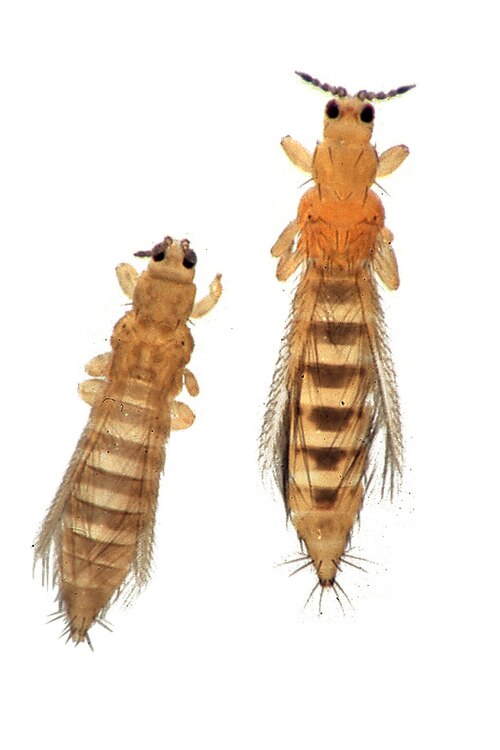
Herbivore Alton N. Sparks, Jr., University of Georgia, Bugwood.org / CC BY 3.0 us · cc-by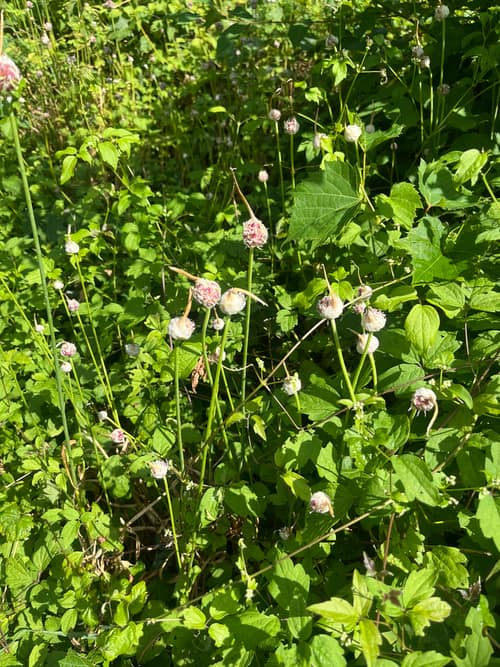
Close Relative (c) Lillian Faria, some rights reserved (CC BY), uploaded by Lillian Faria · cc-by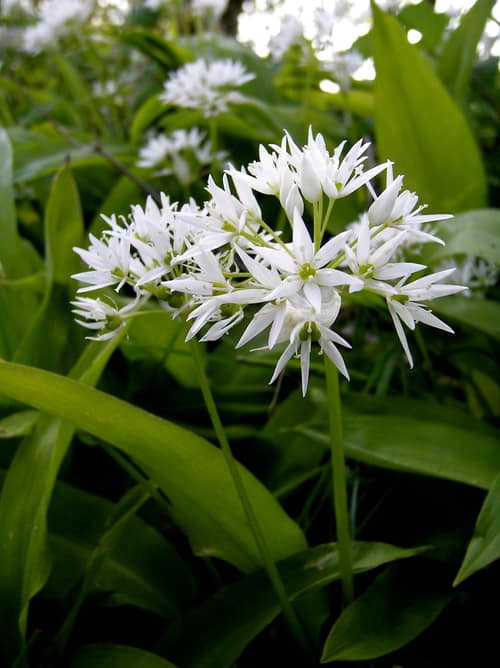
Close Relative (c) Ulrika, some rights reserved (CC BY) · cc-by
Help improve the field guideSomething wrong?
Checking your Fauna account…Report a name, category, or profile issue for review.