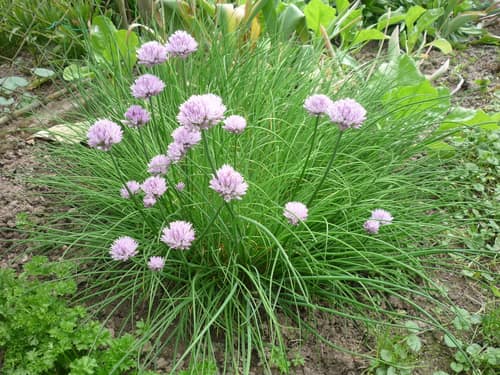
Also known as Aging Chive, German Garlic, Broadleaf Chives, Dumebuchu
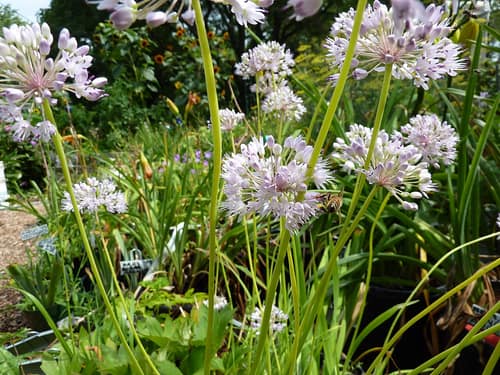
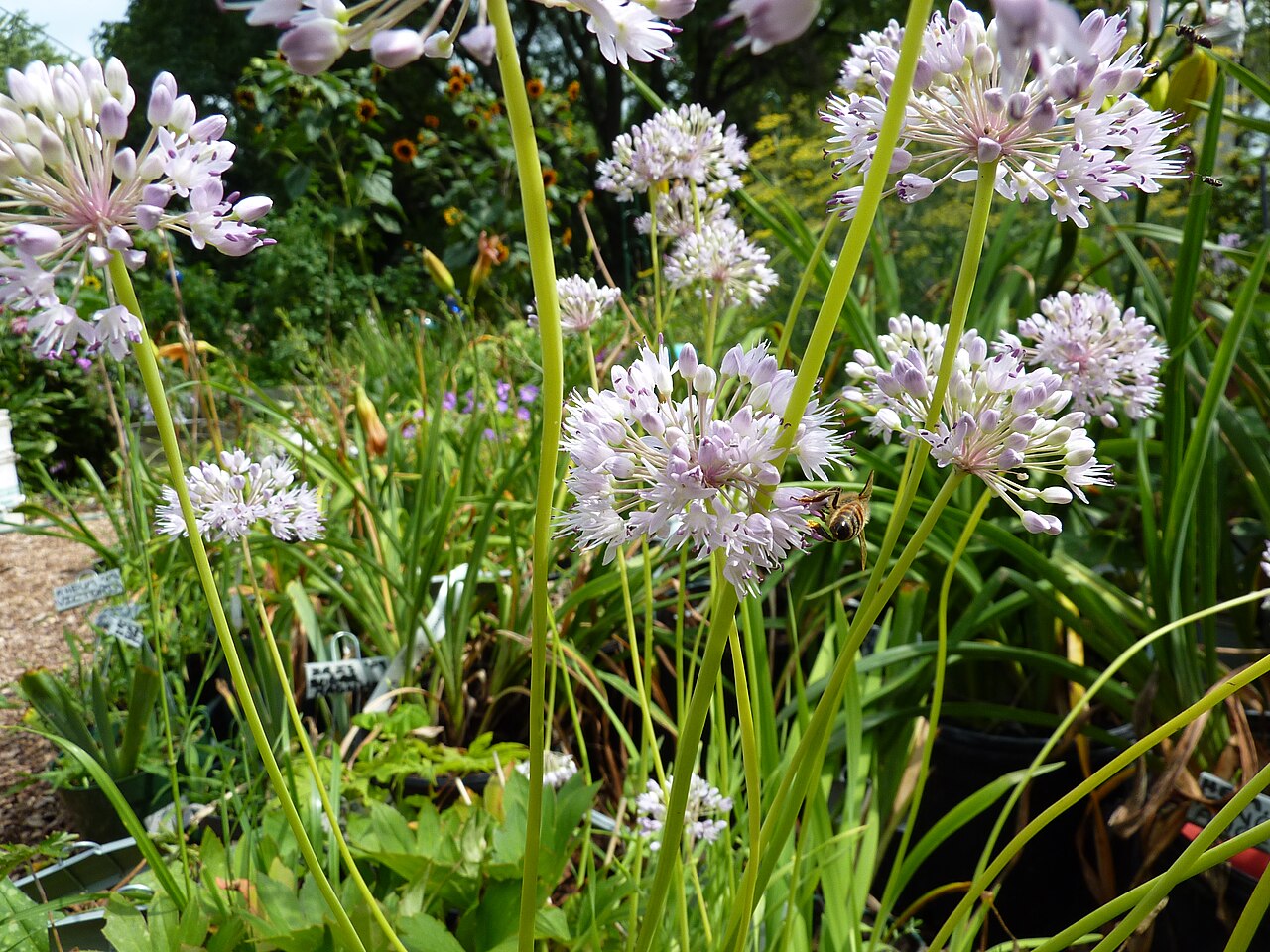
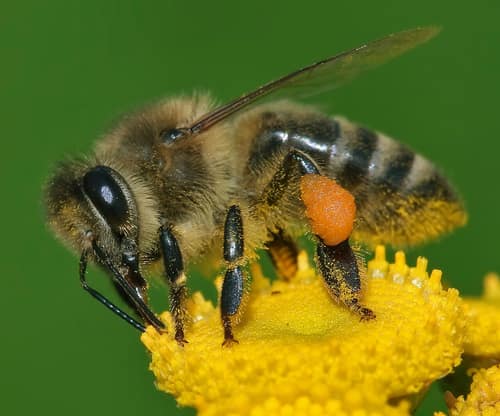
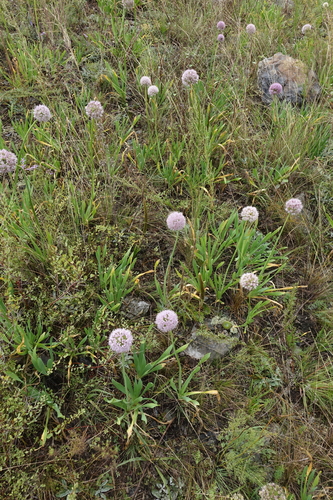
Aging chive produces tidy clumps of spiraling, strap-like foliage crowned by dense spherical umbels of mauve-pink blossoms in late summer. Native across temperate Eurasia from central Europe to the rocky steppes of Siberia and East Asia, it thrives in thin, mineral-rich soils where many other perennials struggle. Its distinctive pungent aroma deters grazing mammalian herbivores while the nectar-loaded flower heads attract a wide variety of native bees, butterflies, and hoverflies.
ThreatsAgricultural expansion, overgrazing, and local overharvesting
HabitatsRocky slopes, dry grasslands, steppes, and open scrub
Life spanPerennial (10 or more years)
Size / weightNot available
Classification
OrderAsparagales
FamilyAmaryllidaceae
GenusAllium
SpeciesAllium senescens
Range & activity
Range data is not available yet.
Safe observation
Interaction riskHigh
Low
Moderate
High
Very high
Why interaction risk is high
Toxic to dogs and cats if ingested; wild plants also have toxic non-allium bulb look-alikes.
Why it is dangerous
Contains toxic organosulfoxides that metabolize into reactive disulfides, causing oxidative red blood cell breakdown and hemolytic anemia in dogs and cats.
How to recognize a risky encounter
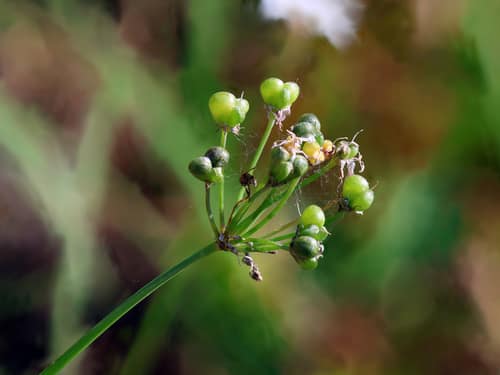
Look for compact lilac-pink flower globes atop ridged, wing-edged scapes with twisting, flat basal leaves that smell strongly of onion.
What to do
Prevent pets from chewing foliage or digging up bulbs, and never harvest wild alliums without verifying identity against toxic bulbs like death camas.
Responsible observation
Garden Placement: Plant in full sun and sharply drained, gritty soil to prevent underground bulb rot.
Pet Safety: Keep companion dogs and cats away from plantings, as all plant tissues cause hemolytic anemia.
Pollinator Observation: Check flowering umbels on calm, sunny afternoons to watch visiting solitary bees and skippers.