
Plant · GBIF taxon 2854755
Blue Lily
Agapanthus praecoxAlso known as Lily of the Nile, African Lily, Common Agapanthus, Bloulelie
Blue lilies form broad clumps of leathery, strap-shaped leaves topped by striking, globe-like clusters of blue-to-violet funnel-shaped flowers. Native to rocky slopes and coastal scrub in eastern South Africa, this tough perennial relies on thick rhizomatous roots to endure poor soils and prolonged dry spells. Its abundant nectar draws bees, butterflies, and sunbirds while its dense root mass makes it a popular anchor for stabilizing soil on banks.
FloweringPerennialDrought-Tolerant
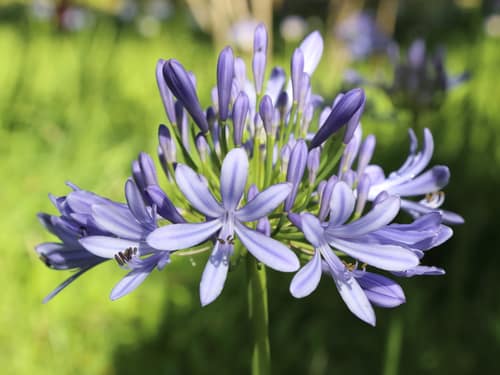
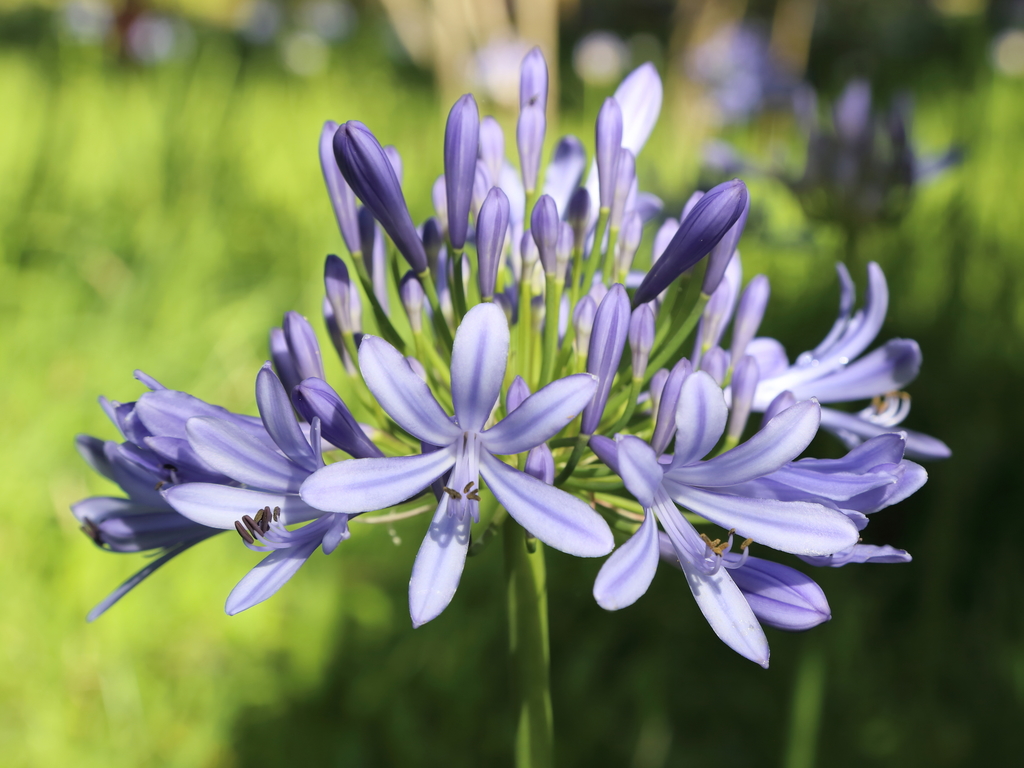
—observations
—countries
—peak records
Least ConcernConservation statusIUCN Red List categoriesLCNTVUENCREWEXLeast ConcernRed List categories, explained →
Diet & prey
- Autotrophic (Photosynthetic)
Predators
- Snails
- Slugs
- Caterpillars
ThreatsUrban expansion in native range; invasive spread in non-native regions
HabitatsCoastal scrub, rocky grasslands, slopes, gardens
Life span15–30 years
Size / weightNot available
Classification
- OrderAsparagales
- FamilyAmaryllidaceae
- GenusAgapanthus
- SpeciesAgapanthus praecox
Range data is not available yet.
Interaction riskHigh
- Low
- Moderate
- High
- Very high
- Why interaction risk is high
- Plant sap causes skin irritation and internal distress if chewed; handle with gloves and keep away from pets.
- Why it is dangerous
- Contains saponins and ulcerating sap that irritate skin and cause oral pain, vomiting, or diarrhea if consumed.
- How to recognize a risky encounter
- Identified by dense terminal flower heads with blue funnel-shaped petals atop leafless flowering stalks emerging from thick evergreen leaves.
- What to do
- Wear gardening gloves when trimming foliage or dividing root clumps, and avoid touching eyes or mouth after handling.
Responsible observation
- Flower Season: Observe broad spherical heads blooming on tall stems from late spring through midsummer.
- Wildlife Watching: Look for honeybees and sunbirds probing the deep nectaries of open funnel blossoms.
- Garden Care: Wear gloves when dividing dense root clumps to prevent contact with irritating sap.
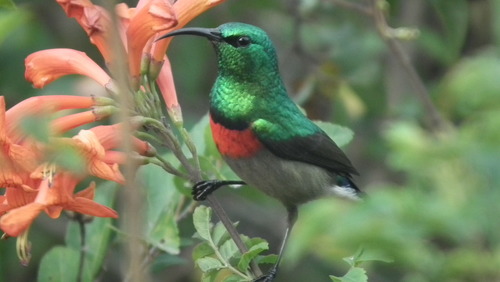
Pollinator (c) Shaun Swanepoel, some rights reserved (CC BY) · cc-by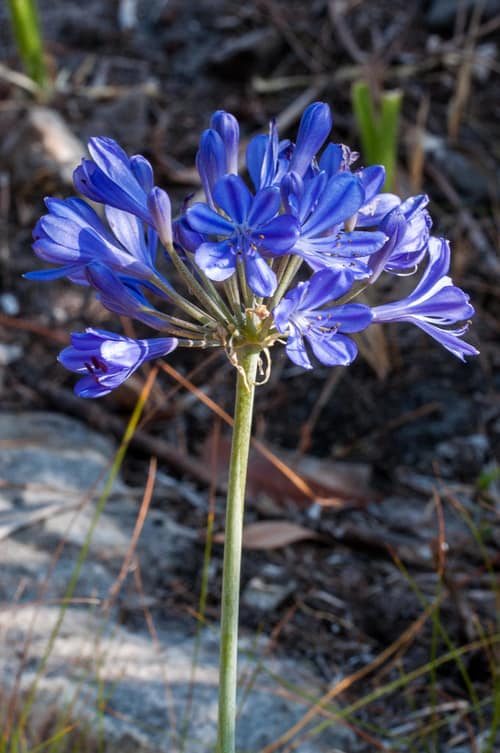
Close Relative (c) magriet b, some rights reserved (CC BY-SA), uploaded by magriet b · cc-by-sa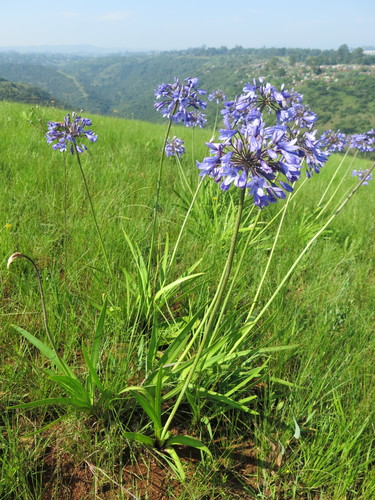
Close Relative no rights reserved, uploaded by Peter Warren · cc0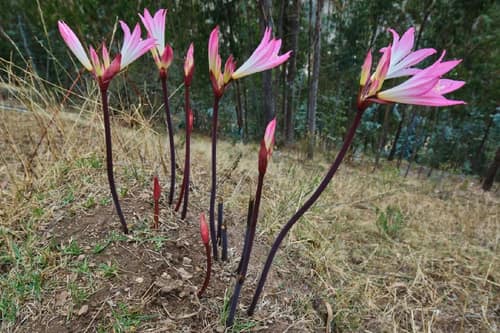
Family Member (c) Jonathan Juan Chancasana Villacorta, some rights reserved (CC BY), uploaded by Jonathan Juan Chancasana Villacorta · cc-by
Help improve the field guideSomething wrong?
Checking your Fauna account…Report a name, category, or profile issue for review.