
Plant · GBIF taxon 2853938
Southern Swamp Crinum
Crinum americanumAlso known as Florida Swamp-Lily, String Lily, Seven Sisters
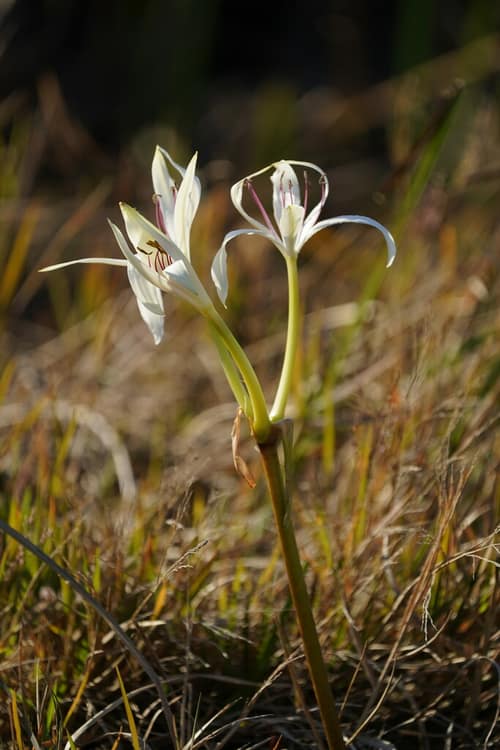
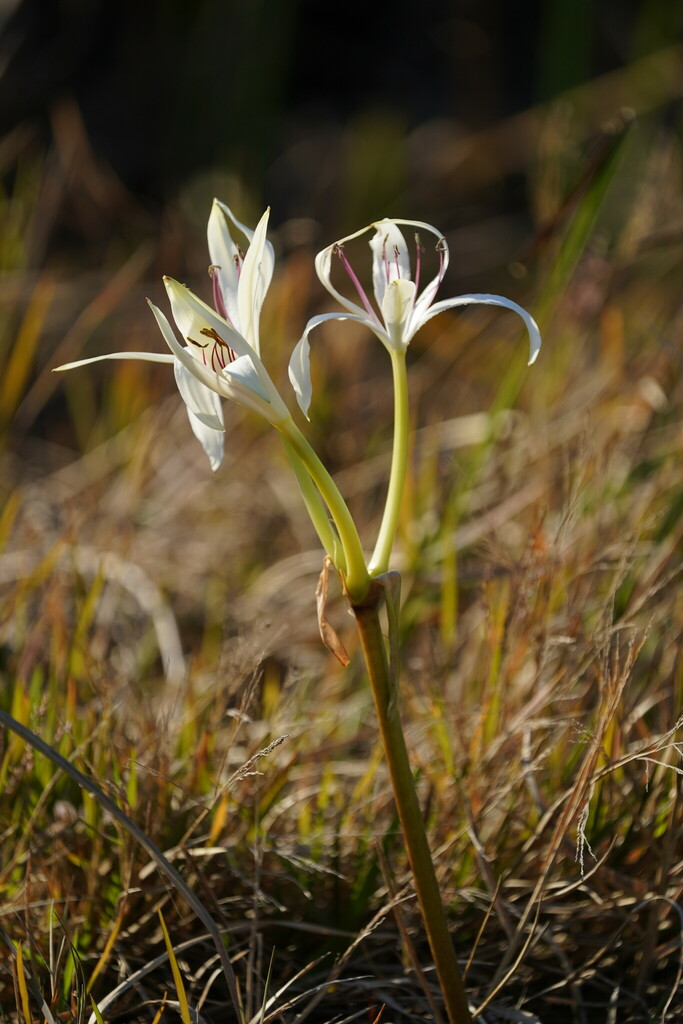
Southern swamp crinums thrive in shallow, still waters across the coastal plains of the southeastern United States and the Caribbean. Their striking white, spider-like blossoms emit a rich fragrance that draws nocturnal moths and night-flying pollinators. Expanding outward via fleshy underground bulbs, these perennial lilies form dense, bright green clusters that stabilize muddy banks and provide shelter for young aquatic life.
AquaticFloweringFragrant
 1 / 7
1 / 7—observations
—countries
—peak records
Least ConcernConservation statusIUCN Red List categoriesLCNTVUENCREWEXLeast ConcernRed List categories, explained →
Diet & prey
- Autotrophic
Predators
- Grasshoppers
- Lubber Grasshoppers
- Snails
ThreatsWetland drainage, habitat loss, invasive aquatic weeds
HabitatsSwamps, freshwater marshes, roadside ditches, riverbanks
Life spanPerennial (decades via vegetative propagation)
Size / weightNot available
Classification
- OrderAsparagales
- FamilyAmaryllidaceae
- GenusCrinum
- SpeciesCrinum americanum
Range data is not available yet.
Interaction riskHigh
- Low
- Moderate
- High
- Very high
- Why interaction risk is high
- Contains toxic lycorine alkaloids; do not ingest any parts and keep away from pets.
- Why it is dangerous
- Contains phenanthridine alkaloids such as lycorine that induce severe vomiting, abdominal pain, and nausea if consumed.
- How to recognize a risky encounter
- Look for clusters of long, strap-like leaves emerging from shallow water, bearing tall stalks topped with white six-petaled flowers.
- What to do
- Observe from a safe distance without picking stems, and never ingest any part of the plant or underground bulb.
Responsible observation
- Best Viewing: Look along sunny marsh edges and cypress swamps from spring through autumn.
- Fragrance: Sniff the bright white flowers in late afternoon or evening when scent peaks.
- Habitat Protection: Observe from boardwalks or banks to avoid disturbing sensitive wetland soil.
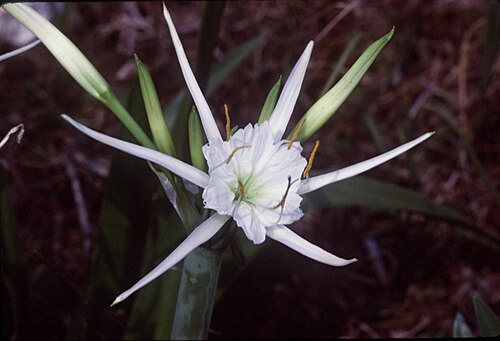
Ecological Neighbor Robert H. Mohlenbrock at the USDA / Public domain · cc0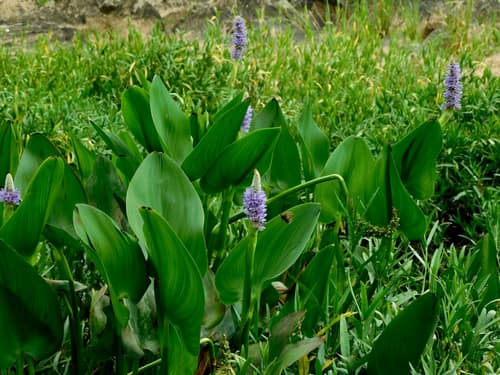
Frequent Companion (c) Michael J. Papay, some rights reserved (CC BY), uploaded by Michael J. Papay · cc-by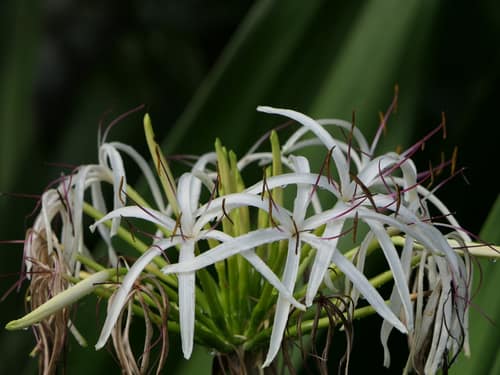
Close Relative (c) Dinesh Valke, some rights reserved (CC BY-SA) · cc-by-sa
Help improve the field guideSomething wrong?
Checking your Fauna account…Report a name, category, or profile issue for review.