Also known as Delagoa Lily, River Lily, Delagoa Crinum
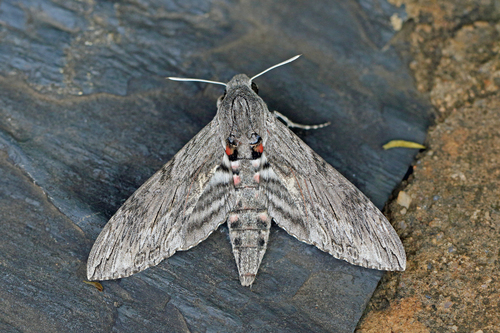
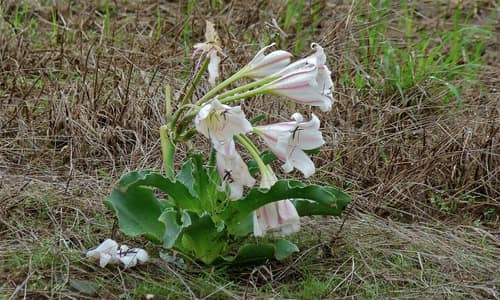
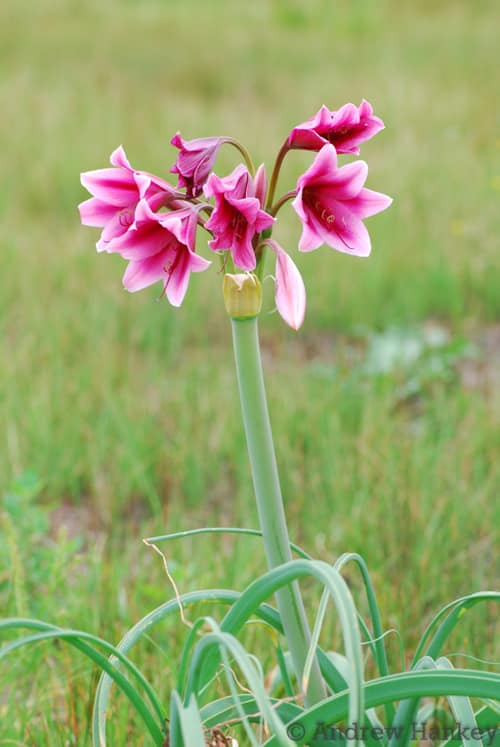
Candystripe swamplilies emerge from massive subterranean bulbs to produce striking umbels of fragrant, funnel-shaped flowers striped with rich magenta along pure white petals. Adapted to seasonally inundated grasslands and floodplains, the robust foliage can withstand prolonged waterlogging followed by intense dry periods. Large nocturnal hawkmoths are drawn to their strong evening perfume, serving as primary pollinators across their African range.
ThreatsHabitat loss from agriculture, overcollection for traditional medicine, and overgrazing
HabitatsSeasonally flooded grasslands, riverbanks, pan margins, and sandy savannas
Life spanPerennial (decades via persistent bulb)
Classification
FamilyAmaryllidaceae
SpeciesCrinum stuhlmannii
Range & activity
Range data is not available yet.
Safe observation
Interaction riskHigh
Low
Moderate
High
Very high
Why interaction risk is high
All parts contain toxic alkaloids; do not ingest and keep away from pets.
Why it is dangerous
Contains lycorine and related Amaryllidaceae alkaloids that cause intense vomiting, diarrhea, abdominal pain, and potential cardiac stress if ingested.
How to recognize a risky encounter
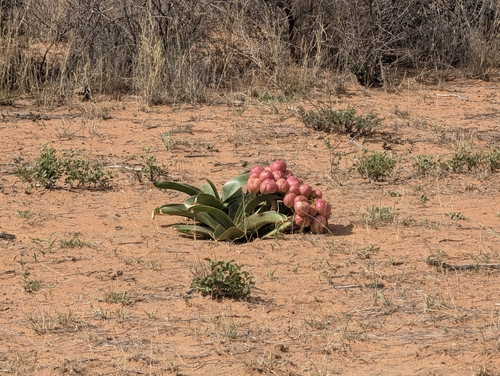
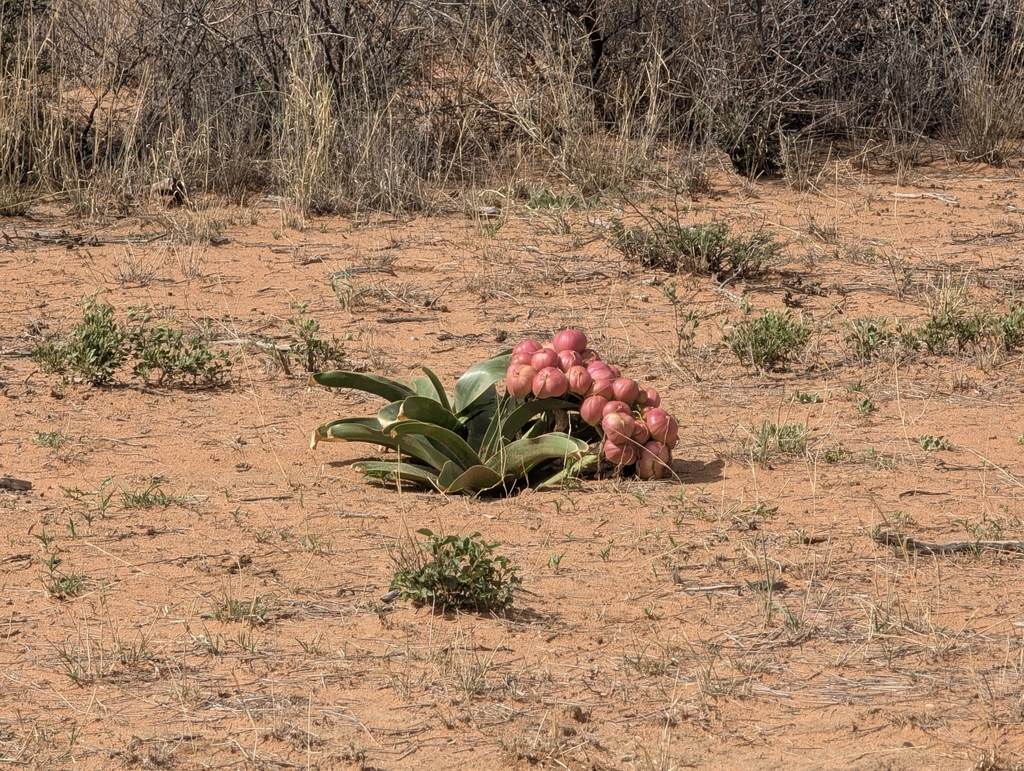
Look for heavy rosettes of strap-like leaves arising from massive necked bulbs, bearing clusters of white flowers with prominent rose-pink central stripes.
What to do
Do not chew or consume any part of the plant; wash hands thoroughly after handling bruised foliage or bulbs.
Responsible observation
Smell at Dusk: Visit flowering stands in the late evening when the scent is strongest.
Do Not Uproot: Leave bulbs undisturbed in wild wetland habitats.
Pet Safety: Keep dogs away from garden specimens to prevent bulb ingestion.