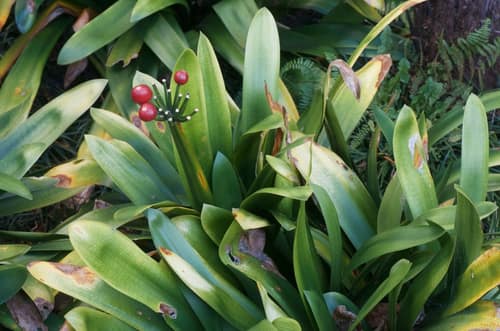
Also known as Giant Candelabra Flower, Giant Candelabra Lily
Giant candelabras produce magnificent spherical flower heads composed of dozens of pink, funnel-shaped blossoms that erupt from grassland soils in midsummer. After flowering, the enormous dried inflorescence detaches at the base and tumbles across the open veld in the wind, scattering seeds far from the mother bulb. The broad, tongue-shaped leaves emerge flat on the ground only after the flowering stem has begun to wither.
ThreatsOvergrazing, illegal harvesting for traditional medicine, and agricultural expansion
HabitatsMontane grassland, rocky ridges, and open veld
Life spanPerennial (decades via dormant subterranean bulb)
Classification
FamilyAmaryllidaceae
SpeciesBrunsvigia grandiflora
Range & activity
Range data is not available yet.
Safe observation
Interaction riskHigh
Low
Moderate
High
Very high
Why interaction risk is high
All parts contain toxic alkaloids that cause severe illness if ingested by humans or pets.
Why it is dangerous
Bulbs and foliage contain toxic isoquinoline alkaloids like lycorine that induce intense gastrointestinal distress, cardiac arrhythmia, and vomiting when ingested.
How to recognize a risky encounter
Recognized by its massive, symmetrical spherical umbel of rosy-pink flowers arising on a thick, leafless stem from an underground bulb.
What to do
Admire the blooms without picking or chewing any plant parts, and keep domestic animals away from exposed bulbs.
Responsible observation
Timing Visits: Look for blooming globes in open grasslands between January and March after heavy summer rains.
Photography: Capture low-angle shots against the open veld horizon to emphasize the spherical bloom structure.
Preservation: Never dig up wild bulbs, as populations take years to establish from seed.

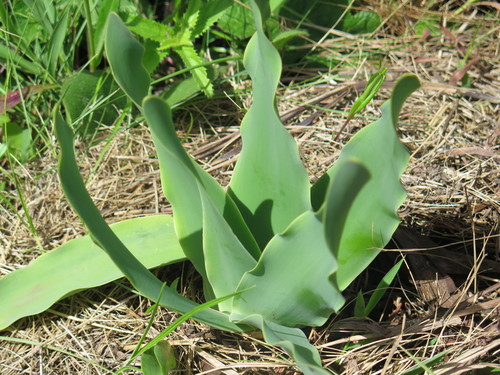
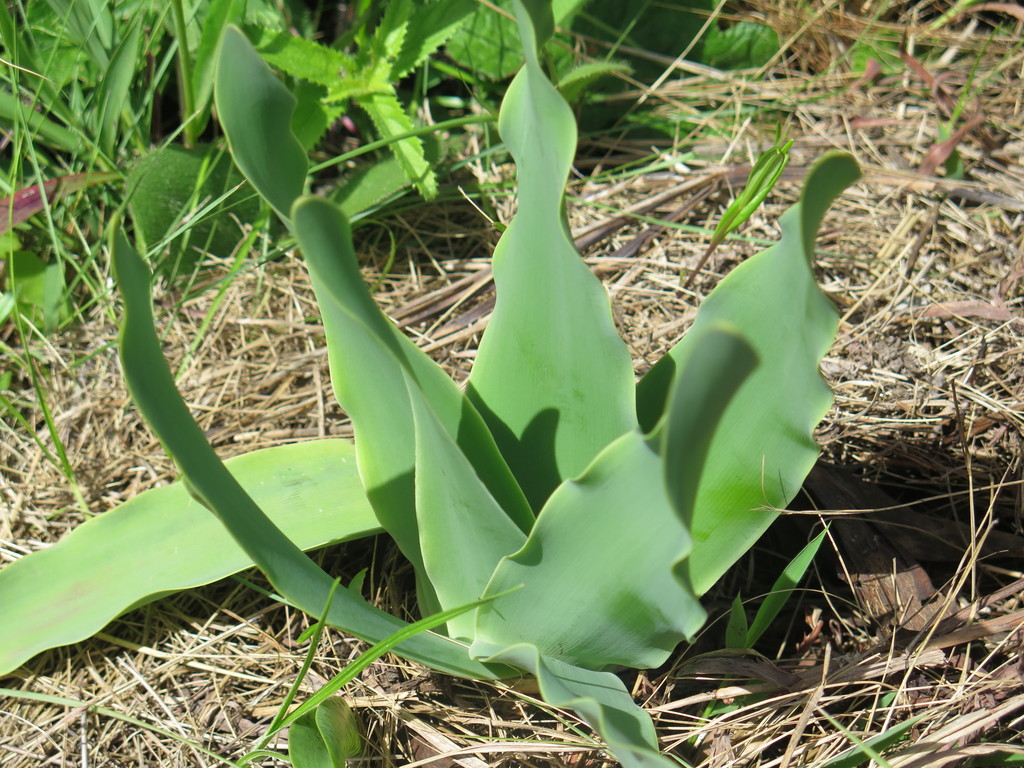
 Image unavailable